Growing healthy crops and maintaining vibrant gardens doesn’t have to mean relying on harsh chemicals or unsustainable practices. Integrated Pest Management (IPM) offers a smarter, more balanced approach to protecting your plants while preserving environmental health and promoting long-term agricultural sustainability.

Whether you’re a home gardener tending to a backyard vegetable patch or a commercial farmer managing extensive crop fields, understanding IPM principles can transform how you approach pest control. This comprehensive strategy combines biological, cultural, physical, and chemical tools in a way that minimizes economic, health, and environmental risks while maximizing effectiveness.
🌱 Understanding the Foundation of Integrated Pest Management
Integrated Pest Management represents a paradigm shift from traditional pest control methods that relied heavily on scheduled pesticide applications. Instead, IPM emphasizes prevention, monitoring, and intervention only when necessary. This holistic approach recognizes that not all insects are pests, and that many organisms play beneficial roles in garden and agricultural ecosystems.
The core philosophy of IPM is that pest management decisions should be based on actual pest populations and environmental conditions rather than calendar dates. By understanding pest life cycles, natural enemies, and environmental factors, growers can make informed decisions that protect crops while minimizing unnecessary interventions.
This method isn’t about eliminating all pests—an unrealistic and potentially harmful goal. Instead, IPM focuses on keeping pest populations below economically damaging thresholds while maintaining ecological balance. This sustainable approach benefits not only individual gardens and farms but also surrounding ecosystems and communities.
The Four Pillars of Effective IPM Strategy
Successful Integrated Pest Management rests on four interconnected pillars that work together to create a comprehensive pest management system. Each component plays a crucial role in maintaining healthy crops while reducing reliance on chemical interventions.
Prevention: Your First Line of Defense 🛡️
Prevention forms the cornerstone of any effective IPM program. By creating conditions unfavorable to pests while promoting plant health, you can significantly reduce pest problems before they start. This includes selecting pest-resistant plant varieties adapted to your local climate and soil conditions.
Proper site selection, soil preparation, and plant spacing contribute to strong, vigorous plants that can better withstand pest pressure. Crop rotation disrupts pest life cycles by removing their preferred host plants from the same location year after year. Maintaining appropriate irrigation schedules prevents moisture stress that can make plants more susceptible to pest damage.
Sanitation practices like removing plant debris, pruning diseased branches, and eliminating weeds that harbor pests also play critical preventive roles. These cultural practices create an environment where beneficial organisms thrive while making conditions less hospitable for problematic pests.
Monitoring and Identification: Knowledge is Power
Regular monitoring allows you to detect pest problems early when they’re easier and less expensive to manage. This involves systematic observation of your crops or garden, looking for signs of pest activity, damage symptoms, and the presence of beneficial organisms.
Accurate pest identification is essential because management strategies vary depending on the specific pest involved. Many insects that appear in gardens are actually beneficial predators or pollinators that shouldn’t be targeted. Learning to distinguish between harmful pests and helpful allies prevents unnecessary interventions that could disrupt natural pest control.
Various monitoring tools can assist in this process, including sticky traps, pheromone traps, and visual inspection protocols. Keeping detailed records of pest populations, weather conditions, and management actions helps you identify patterns and refine your IPM strategy over time.
Action Thresholds: When to Intervene
Action thresholds represent the pest population level at which management action becomes economically justified. These thresholds vary depending on the crop, pest species, market value, and tolerance for damage. Understanding these thresholds prevents both premature intervention and delayed response.
For aesthetic plants, thresholds might be lower because appearance matters significantly. For food crops, economic considerations balance the cost of intervention against potential yield losses. Some pests require immediate action due to their rapid reproduction or severe damage potential, while others can be tolerated at low levels without significant harm.
Establishing appropriate thresholds requires understanding pest biology, crop vulnerability at different growth stages, and economic factors. This knowledge-based approach replaces the outdated “spray on sight” mentality with strategic, targeted interventions.
Control Methods: A Toolbox Approach 🧰
When pest populations exceed action thresholds, IPM employs a range of control methods, prioritizing those with the least environmental impact. These methods fall into several categories, often used in combination for maximum effectiveness.
Biological control harnesses natural enemies like predatory insects, parasitoids, and pathogens to suppress pest populations. Mechanical and physical controls include hand-picking pests, using barriers, traps, or mulches, and employing techniques like row covers to exclude pests physically.
Chemical controls, when necessary, are selected for their specificity, low toxicity, and minimal environmental persistence. Biopesticides derived from natural materials often provide effective control with reduced environmental impact compared to synthetic alternatives. The key principle is using the least toxic option that will effectively manage the pest problem.
Implementing IPM in Home Gardens
Home gardeners can successfully implement IPM principles even in small spaces. Start by selecting disease-resistant varieties suited to your growing zone and microclimate. Healthy soil rich in organic matter produces vigorous plants naturally resistant to many pests and diseases.
Companion planting leverages beneficial plant relationships, with some species repelling pests or attracting beneficial insects. Marigolds, nasturtiums, and herbs like basil and dill can play strategic roles in pest management while adding beauty and culinary value to your garden.
Regular garden walks allow you to spot problems early. Check undersides of leaves where many pests hide, examine fruits for damage, and note any unusual symptoms. A simple magnifying glass helps with pest identification, and numerous mobile apps and online resources can assist with species recognition.
Creating Habitat for Beneficial Organisms 🐞
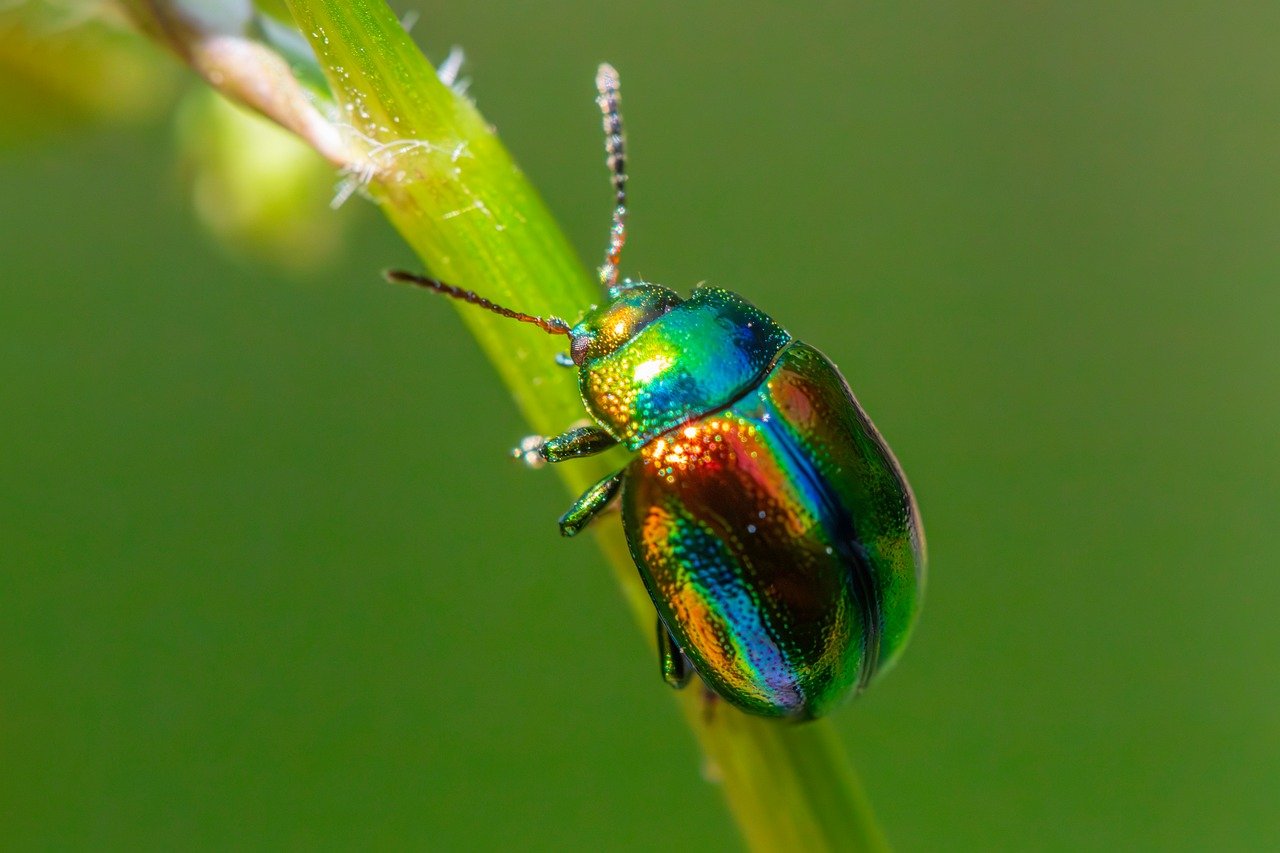
Encouraging beneficial insects and other organisms is one of the most effective IPM strategies. Predatory beetles, lacewings, parasitic wasps, and spiders provide free pest control services when given appropriate habitat.
Plant diverse flowering species that provide nectar and pollen throughout the growing season. Small-flowered plants like alyssum, cilantro, and fennel attract tiny beneficial wasps. Native plants support local beneficial insect populations adapted to your region’s pests.
Provide shelter by leaving some undisturbed areas with mulch, stones, or plant debris where beneficials can overwinter. Reduce or eliminate broad-spectrum pesticides that kill beneficial organisms along with target pests. When intervention is necessary, use selective products that target specific pests while sparing beneficial species.
IPM for Commercial Agriculture and Large-Scale Operations
Commercial growers implementing IPM can achieve significant economic benefits while meeting increasing consumer demand for sustainably produced food. Large-scale IPM programs require systematic approaches with detailed record-keeping and coordination across entire operations.
Field scouting becomes a critical component, with trained personnel regularly monitoring crops according to established protocols. Many operations use degree-day calculations to predict pest development based on temperature accumulation, allowing precisely timed interventions when pests are most vulnerable.
Technology plays an increasing role in commercial IPM, with remote sensing, drones, and precision agriculture tools enabling more targeted monitoring and treatment. Weather monitoring stations provide data for disease prediction models, while GPS-guided equipment allows site-specific pesticide applications only where needed.
Economic Benefits of IPM Implementation 💰
While IPM may require initial investments in training and monitoring systems, long-term economic benefits are substantial. Reduced pesticide costs directly improve profit margins, especially as chemical inputs represent significant production expenses.
IPM programs often result in improved crop quality and yields by promoting overall plant health rather than simply suppressing pests. Products grown using IPM principles may command premium prices in markets emphasizing sustainability and reduced chemical inputs.
Resistance management represents another economic advantage. By reducing selection pressure through varied control methods, IPM slows the development of pesticide-resistant pest populations, extending the effectiveness of available management tools.
Environmental and Health Advantages
The environmental benefits of IPM extend far beyond individual farms and gardens. Reduced pesticide use protects water quality by minimizing runoff and leaching of agricultural chemicals into groundwater, streams, and rivers. This protects aquatic ecosystems and drinking water sources for human communities.
Soil health improves under IPM management because beneficial soil organisms aren’t repeatedly killed by broad-spectrum pesticides. Healthy soil microbiomes support nutrient cycling, improve soil structure, and enhance plant resilience to both pests and environmental stresses.
Pollinator conservation benefits directly from IPM practices that reduce insecticide exposure. With pollinator populations facing multiple stressors, IPM’s emphasis on selective, targeted interventions helps protect these essential organisms while still managing crop pests effectively.
Protecting Human Health Through Smart Pest Management 🏥
Human health benefits from IPM are significant, particularly for farmworkers, gardeners, and communities near agricultural areas. Reduced pesticide exposure lowers risks of acute poisoning and long-term health effects associated with chronic chemical exposure.
Food safety improves with IPM approaches that minimize pesticide residues on produce. Consumers increasingly seek foods produced with minimal chemical inputs, and IPM-grown products meet this demand while maintaining quality and appearance standards.
Children are particularly vulnerable to pesticide exposure, making IPM especially important for school gardens, parks, and residential areas. Teaching IPM principles to young gardeners instills environmental stewardship values while creating safer spaces for learning and play.
Overcoming Common IPM Implementation Challenges
Despite its advantages, IPM adoption faces several challenges. Knowledge gaps represent a primary barrier, as successful implementation requires understanding pest biology, beneficial organisms, and multiple management techniques. Educational resources, extension services, and online communities can help overcome this challenge.
Time investment for monitoring and record-keeping can seem daunting, particularly for those accustomed to calendar-based spray schedules. However, once systems are established, IPM often requires less total time than conventional approaches while delivering better results.
Initial costs for monitoring tools, beneficial insect purchases, or infrastructure improvements may deter some growers. Viewing these as investments rather than expenses helps, especially when considering long-term savings from reduced pesticide purchases and improved crop performance.
Building IPM Skills and Knowledge 📚
Continuous learning is essential for successful IPM implementation. University extension services offer excellent resources including workshops, publications, and diagnostic services. Many provide pest identification assistance and region-specific management recommendations.
Online platforms and mobile applications increasingly support IPM decision-making. These tools can help with pest identification, tracking pest populations, predicting pest development, and recommending management options based on current conditions.
Networking with other IPM practitioners through gardening clubs, farmer organizations, or online forums provides valuable practical insights. Learning from others’ experiences accelerates your IPM knowledge development and helps troubleshoot specific challenges.
Future Directions in Integrated Pest Management 🔬
IPM continues evolving with advancing technology and scientific understanding. Precision agriculture technologies enable increasingly targeted interventions, reducing inputs while maintaining effectiveness. Artificial intelligence and machine learning are being applied to pest identification and management decision support.
Genetic advances produce crop varieties with improved pest resistance without genetic modification, using traditional breeding enhanced by genomic selection. These varieties reduce pest pressure while maintaining desirable agronomic and quality characteristics.
Climate change necessitates adaptive IPM strategies as pest ranges shift, new invasive species arrive, and weather patterns change. Flexible, knowledge-based IPM approaches are better equipped to handle these evolving challenges than rigid, chemical-dependent systems.

Taking Action: Your IPM Journey Starts Now
Beginning your IPM journey doesn’t require mastering every technique immediately. Start with simple steps like improving plant selection, establishing monitoring routines, and learning to identify common pests and beneficials in your area. Each small improvement contributes to overall success.
Document your observations, interventions, and results. This creates a personalized knowledge base specific to your conditions, helping refine strategies over time. Don’t be discouraged by occasional setbacks—even experienced IPM practitioners continually learn and adjust their approaches.
Remember that IPM is fundamentally about working with nature rather than against it. By understanding ecological relationships and leveraging natural processes, you create resilient, productive growing systems that sustain both crops and environment. The investment in learning IPM principles pays dividends in healthier plants, reduced costs, and the satisfaction of growing food and flowers in harmony with nature.
Whether you’re managing a small balcony garden or extensive agricultural acreage, Integrated Pest Management offers practical solutions that benefit your plants, your health, your wallet, and the planet. The essentials you’ve learned here provide a foundation for sustainable pest management that will serve you for years to come. Start implementing these principles today, and watch your gardens and crops thrive with this intelligent, balanced approach to plant protection. 🌿