Creating a healthier living space starts with rethinking how we approach pest management. Traditional chemical-based solutions often introduce harmful toxins into our homes, affecting our families, pets, and the environment in ways we’re only beginning to fully understand.

The shift toward non-toxic pest control isn’t just a trend—it’s a necessary evolution in how we protect our homes while preserving the delicate ecosystems around us. Modern homeowners are discovering that effective pest management doesn’t require harsh chemicals or dangerous pesticides that linger on surfaces and in the air we breathe.
🌿 Understanding the Hidden Dangers of Conventional Pest Control
Conventional pesticides contain synthetic chemicals designed to kill insects and rodents quickly. While effective at eliminating pests, these substances don’t discriminate between harmful pests and beneficial organisms. Many traditional pest control products contain organophosphates, pyrethroids, and neonicotinoids that have been linked to various health concerns.
Children and pets are particularly vulnerable to pesticide exposure due to their smaller body size and developing systems. Studies have shown that even low-level exposure to certain pesticides can affect neurological development, hormone function, and respiratory health. The residues from these chemicals can persist on floors, furniture, and surfaces for weeks or months after application.
Beyond immediate health impacts, conventional pesticides contribute to environmental degradation. They contaminate soil and water sources, harm beneficial pollinators like bees and butterflies, and disrupt natural food chains. The environmental cost of chemical pest control extends far beyond our property lines, affecting entire ecosystems.
The Foundation of Integrated Pest Management 🏠
Integrated Pest Management (IPM) represents a comprehensive approach that prioritizes prevention, monitoring, and targeted intervention. This strategy focuses on understanding pest behavior, identifying conducive conditions, and eliminating factors that attract unwanted visitors to your home.
The IPM philosophy emphasizes using the least toxic methods first, escalating to stronger interventions only when necessary. This approach begins with proper sanitation, structural repairs, and environmental modifications that make your home naturally inhospitable to pests without introducing harmful chemicals.
Prevention as Your First Line of Defense
Preventing pest infestations is infinitely easier and more cost-effective than dealing with established populations. Start by conducting a thorough inspection of your home’s exterior, identifying potential entry points such as cracks in foundations, gaps around pipes, torn screens, and openings around doors and windows.
Seal these entry points using appropriate materials: caulk for small cracks, steel wool and foam for larger gaps, and weatherstripping for doors and windows. Pay special attention to areas where utility lines enter your home, as these often provide convenient access routes for rodents and insects.
Proper waste management plays a crucial role in pest prevention. Store garbage in sealed containers, clean bins regularly, and ensure outdoor waste receptacles are positioned away from your home’s foundation. Composting requires special attention—maintain proper moisture levels and turn regularly to prevent attracting flies and rodents.
🌱 Natural Pest Deterrents That Actually Work
Nature provides numerous effective pest control solutions that have been used for centuries across different cultures. Essential oils offer powerful pest-repelling properties without the toxic side effects of synthetic chemicals. Peppermint oil deters mice, ants, and spiders, while lavender repels moths, fleas, and mosquitoes.
Create effective natural pest sprays by mixing essential oils with water and a small amount of dish soap as an emulsifier. A basic recipe includes 10-15 drops of essential oil per cup of water. Spray this solution along entry points, windowsills, and areas where you’ve noticed pest activity. Reapply every few days for continued effectiveness.
Diatomaceous Earth: Nature’s Microscopic Warrior
Food-grade diatomaceous earth (DE) stands out as one of the most effective non-toxic pest control substances available. This fine powder consists of fossilized remains of tiny aquatic organisms called diatoms. The microscopic sharp edges of DE particles damage the exoskeletons of insects, causing dehydration and death.
Apply diatomaceous earth in dry areas where insects travel: along baseboards, behind appliances, in cracks and crevices, and around the perimeter of your home’s foundation. While completely safe for humans and pets when used as directed, always use food-grade DE and avoid inhaling the fine dust during application.
Strategic Solutions for Common Household Pests 🐜
Different pests require tailored approaches for effective control. Understanding the specific behaviors and vulnerabilities of common household invaders enables you to implement targeted, non-toxic solutions that work.
Conquering Ant Invasions Naturally
Ants follow pheromone trails to food sources, so disrupting these chemical pathways is essential. Clean surfaces thoroughly with a vinegar and water solution to eliminate scent trails. Create barriers using cinnamon, cayenne pepper, or coffee grounds along entry points—ants avoid crossing these substances.
For more persistent ant problems, create bait stations using borax mixed with sugar water or honey. While borax is toxic to ants, it’s significantly less harmful to humans and pets than conventional ant poisons. Place these baits in areas inaccessible to children and pets, and replace them regularly until ant activity ceases.
Addressing Cockroach Challenges
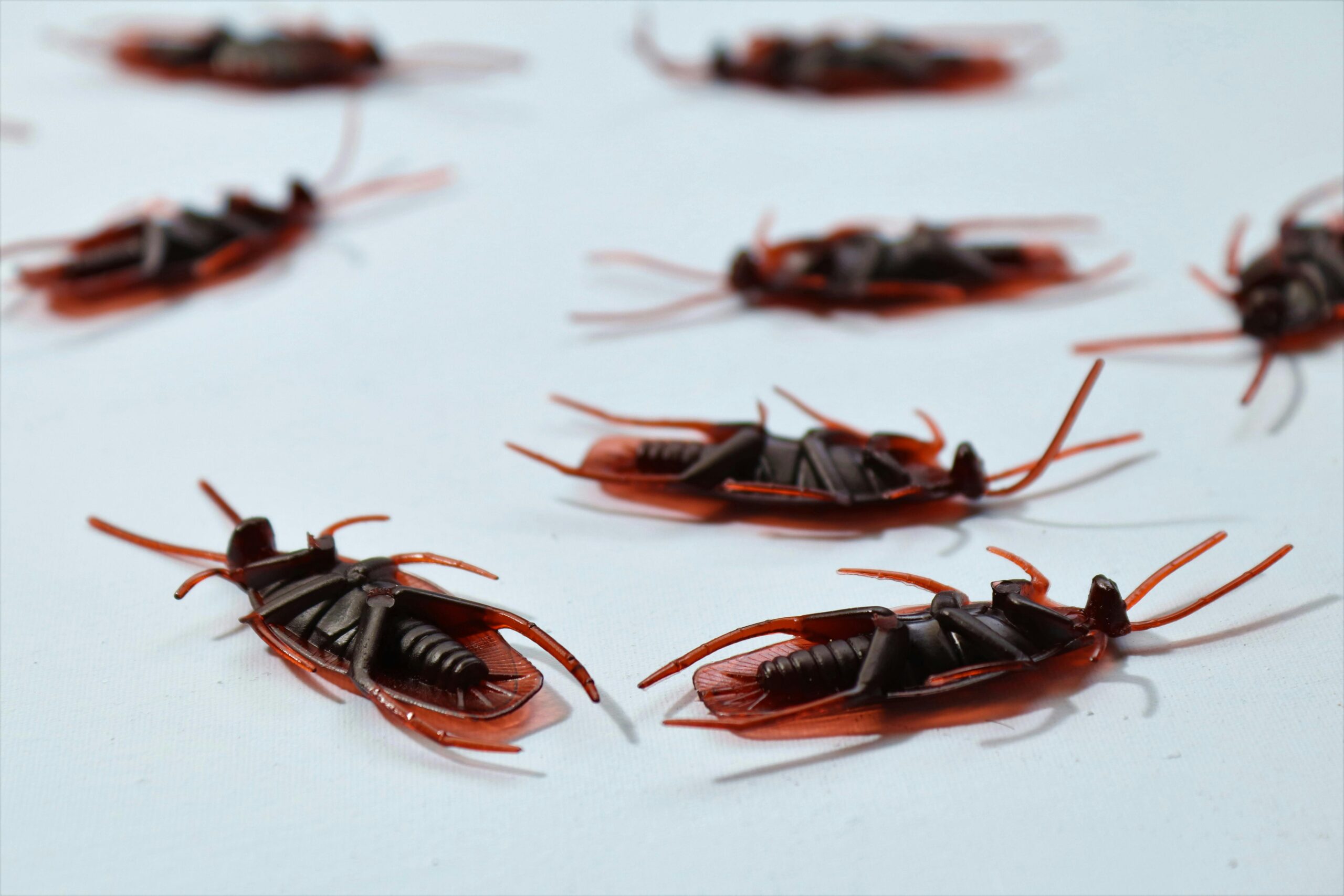
Cockroaches thrive in environments with accessible food, water, and hiding places. Eliminate these attractants by fixing leaky pipes, storing food in airtight containers, and removing clutter that provides harborage. Clean thoroughly behind appliances and in areas where crumbs and spills accumulate.
Create non-toxic cockroach traps using a jar with a small amount of beer or sugar water inside. Coat the jar’s interior neck with petroleum jelly to prevent escape. Place these traps in areas with cockroach activity, checking and emptying them regularly. Boric acid powder, applied sparingly in areas away from food preparation surfaces, provides longer-term control.
Managing Rodent Problems Humanely
Mice and rats require more comprehensive strategies than insects. Begin by eliminating food sources—store dry goods in glass or metal containers, clean up spills immediately, and secure pet food. Remove potential nesting materials like paper, fabric scraps, and insulation debris from accessible areas.
Humane trapping offers an alternative to toxic rodenticides that can harm pets and wildlife. Live-catch traps allow you to relocate captured rodents far from your property. For those preferring lethal control, modern snap traps provide quick, humane results when properly positioned and baited.
🌻 Cultivating a Pest-Resistant Outdoor Environment
Your yard and garden significantly influence pest pressure on your home. Creating an outdoor environment that supports beneficial organisms while discouraging pests requires thoughtful planning and maintenance.
Maintain a vegetation-free zone of at least 18 inches around your home’s foundation. This dry barrier discourages insects and rodents from approaching your home. Keep grass trimmed, remove leaf litter, and eliminate standing water where mosquitoes breed.
Companion Planting for Natural Pest Control
Strategic plant selection can naturally repel pests while attracting beneficial insects. Marigolds deter aphids, mosquitoes, and squash bugs. Basil repels flies and mosquitoes, making it ideal near doorways and patios. Lavender, rosemary, and chrysanthemums offer both beauty and pest-deterring properties.
Create habitat for beneficial predators that naturally control pest populations. Ladybugs consume aphids, lacewings eat various soft-bodied insects, and birds feed on numerous garden pests. Install birdhouses, leave some areas of your garden slightly wild, and provide water sources to encourage these helpful creatures.
Seasonal Pest Prevention Strategies 📅
Different seasons bring unique pest challenges that require proactive management. Spring typically sees increased ant and termite activity as colonies expand and swarm. Inspect your home’s exterior for signs of termite damage, seal cracks that developed over winter, and refresh natural pest barriers.
Summer brings mosquitoes, flies, and stinging insects. Eliminate standing water weekly, including flower pot saucers, clogged gutters, and birdbaths. Install or repair window screens, and consider planting mosquito-repelling herbs near outdoor living areas. Wasps and hornets build nests during summer—remove small nests early before populations grow.
Fall signals rodents seeking indoor shelter as temperatures drop. Inspect and seal potential entry points before cold weather arrives. Store firewood away from your home’s foundation, and trim tree branches that provide access to your roof. Clean gutters to eliminate pest harborage and prevent water damage.
Winter pest control focuses on monitoring for signs of indoor infestations. Check stored items regularly for moth or silverfish damage. Maintain proper ventilation to prevent moisture accumulation that attracts pests. Monitor for signs of rodent activity, particularly in attics, basements, and storage areas.
🔍 Professional Non-Toxic Pest Control Services
Sometimes pest problems exceed what homeowners can manage independently. Fortunately, the growing demand for sustainable pest control has spawned numerous professional services specializing in non-toxic methods. These companies employ certified technicians trained in ecological pest management strategies.
When selecting a pest control service, ask about their approach to IPM, the products they use, and their certification credentials. Reputable companies should readily provide information about their methods and the environmental impact of their treatments. Look for services certified by organizations promoting sustainable pest management practices.
Heat Treatments and Physical Control Methods
Professional pest control increasingly utilizes heat treatments for bed bugs, termites, and other temperature-sensitive pests. These treatments raise the temperature in affected areas to levels lethal to pests while remaining safe for your home’s structure and contents. Heat treatments eliminate the need for chemical pesticides entirely.
Mechanical and physical controls employed by professionals include specialized vacuums for removing insects, exclusion devices that prevent pest entry, and monitoring systems that detect pest activity before populations explode. These methods provide long-term control without introducing toxins into your environment.
Maintaining Long-Term Pest Prevention Success ✨
Successful non-toxic pest control requires ongoing vigilance and consistent application of preventive measures. Create a regular inspection schedule, checking monthly for signs of pest activity, structural damage, or conditions conducive to infestations. Early detection allows for simpler, less invasive interventions.
Document your pest control efforts, noting what methods work best for specific problems. This information becomes invaluable for addressing future issues efficiently. Share successful strategies with neighbors—coordinated pest management across multiple properties enhances effectiveness for everyone.
Stay informed about new non-toxic pest control innovations and techniques. Research continues to identify additional natural pest deterrents and improve existing methods. Join online communities focused on sustainable living and pest management to exchange ideas and learn from others’ experiences.
The Environmental and Health Benefits of Going Toxin-Free 🌍
Transitioning to non-toxic pest control delivers immediate and long-term benefits extending beyond just eliminating pests. Indoor air quality improves dramatically without volatile organic compounds from pesticides. Family members with allergies, asthma, or chemical sensitivities often experience symptom reduction when toxic pesticides are eliminated.
Children can play freely without concerns about pesticide residue on floors and furniture. Pets face reduced exposure to substances that can cause acute poisoning or chronic health issues. The peace of mind knowing your home environment doesn’t contain persistent toxic chemicals is invaluable.
Environmental benefits multiply as more households adopt non-toxic approaches. Beneficial insect populations recover, supporting healthy gardens and local ecosystems. Soil and water contamination decreases, protecting wildlife and natural resources. Your choice to embrace sustainable pest control contributes to broader environmental health.
Empowering Your Journey Toward Sustainable Pest Management 🚀
Transitioning to completely non-toxic pest control may feel overwhelming initially, but the journey is worthwhile and achievable. Start with simple changes: seal obvious entry points, improve sanitation practices, and try one or two natural pest deterrents. Build on these successes gradually, expanding your sustainable pest management toolkit over time.
Remember that perfection isn’t the goal—progress is. Even partial reduction in toxic pesticide use benefits your family and environment. Some situations may require temporary use of conventional products, but these instances become increasingly rare as you master non-toxic techniques and create an environment naturally resistant to pest infestations.
Share your experiences with others considering sustainable pest control. Your successes and lessons learned can inspire and guide friends, family, and neighbors on their own journeys. Together, we create healthier homes and contribute to environmental healing, one pest-free, toxin-free space at a time.
The path to effective non-toxic pest control represents an investment in your family’s health, your property’s integrity, and environmental sustainability. Armed with knowledge, practical strategies, and commitment to ongoing prevention, you can maintain a comfortable, pest-free home without compromising the wellbeing of those you love or the planet we all share.