Garden pests can silently devastate your outdoor space before you even notice the damage. Learning effective monitoring techniques transforms pest management from reactive crisis control into proactive garden care.

Whether you’re cultivating vegetables, nurturing ornamental flowers, or maintaining a mixed landscape, establishing simple monitoring routines creates the foundation for a thriving garden ecosystem. Regular observation helps you catch pest problems early when they’re easiest to manage, reducing the need for harsh interventions while protecting beneficial insects that support plant health.
🌿 Why Pest Monitoring Matters More Than You Think
Many gardeners wait until visible damage appears before taking action, but by that time, pest populations have already established themselves. Effective monitoring shifts your approach from damage control to prevention, saving time, money, and plants throughout the growing season.
Consistent pest monitoring provides multiple benefits beyond simply spotting insects. You’ll develop intimate knowledge of your garden’s ecosystem, understanding which beneficial insects visit regularly and which pests pose genuine threats. This knowledge helps you make informed decisions about when intervention is necessary versus when nature can balance itself.
Early detection through regular monitoring allows targeted responses that minimize collateral damage to beneficial organisms. Rather than broad-spectrum treatments that eliminate everything, you can apply specific solutions to actual problems, maintaining the delicate balance that keeps gardens naturally healthy.
Essential Tools for Effective Garden Pest Monitoring
Successful pest monitoring doesn’t require expensive equipment or specialized training. A few basic tools make the process efficient and effective, helping you gather accurate information about what’s happening in your garden beds.
Your Pest Monitoring Toolkit
- Magnifying glass or jeweler’s loupe: Essential for identifying small insects and examining damage patterns closely
- Garden journal or smartphone: Document observations, track patterns, and compare conditions over time
- Yellow sticky traps: Monitor flying insect populations including aphids, whiteflies, and fungus gnats
- Small containers: Collect specimens for identification if you’re unsure what you’re seeing
- Flashlight or headlamp: Many pests feed at night, making evening inspections valuable
- Camera or smartphone: Photograph damage and pests for identification help from experts or apps
These simple tools fit into a small bucket or gardening tote, making them readily accessible whenever you’re working outdoors. Keep them together in one location so monitoring becomes a quick, seamless part of your garden routine rather than a production requiring setup time.
Creating Your Weekly Pest Monitoring Schedule
Consistency transforms pest monitoring from overwhelming task to manageable habit. Establishing a regular schedule ensures nothing slips through the cracks during critical growth periods when pest damage can devastate plants quickly.
The Perfect Weekly Routine
Plan three brief monitoring sessions throughout each week rather than one lengthy inspection. This frequency catches problems early while remaining realistic for busy schedules. Morning sessions work best when pests are still active but before heat drives them into hiding.
During each session, systematically walk through your garden following the same path. This consistency helps you notice changes immediately since you’re viewing plants from familiar angles. Spend approximately 15-20 minutes per session, focusing attention rather than rushing through inspections.
Monday morning sessions start your week with baseline information. Mid-week Wednesday checks catch rapid population explosions before they spiral out of control. Weekend Saturday or Sunday inspections allow more thorough examination when time constraints are typically less pressing.
🔍 What to Look for During Each Inspection
Examine both upper and lower leaf surfaces since many pests prefer the protected undersides. Check new growth carefully as tender tissues attract aphids, thrips, and other piercing insects. Inspect stems near soil level where cutworms and other caterpillars hide during daylight hours.
Look for damage patterns that indicate specific pests: irregular holes suggest caterpillars, stippling points to spider mites, sticky residue indicates aphids or scale insects. Yellowing leaves, distorted growth, or wilting despite adequate water all signal potential pest issues requiring closer investigation.
Don’t forget to check soil surface and mulch layers where many pests spend portions of their lifecycle. Lift mulch occasionally to inspect for slug trails, beetle larvae, or fungal growth that might support pest populations.
Understanding Common Garden Pest Signatures
Different pests leave distinctive calling cards that help you identify problems even when the culprits aren’t visible. Learning these signatures accelerates diagnosis and appropriate response, minimizing guesswork about what’s affecting your plants.
| Damage Type | Likely Pest | Additional Clues |
|---|---|---|
| Irregular holes in leaves | Caterpillars, beetles | Frass (droppings) on or under leaves |
| Stippled, yellowing leaves | Spider mites | Fine webbing on leaf undersides |
| Curled, distorted new growth | Aphids | Sticky honeydew, presence of ants |
| Silvery trails on leaves or ground | Slugs, snails | Irregular holes, damage overnight |
| Wilting despite adequate water | Root-feeding grubs or borers | Plant pulls easily from soil |
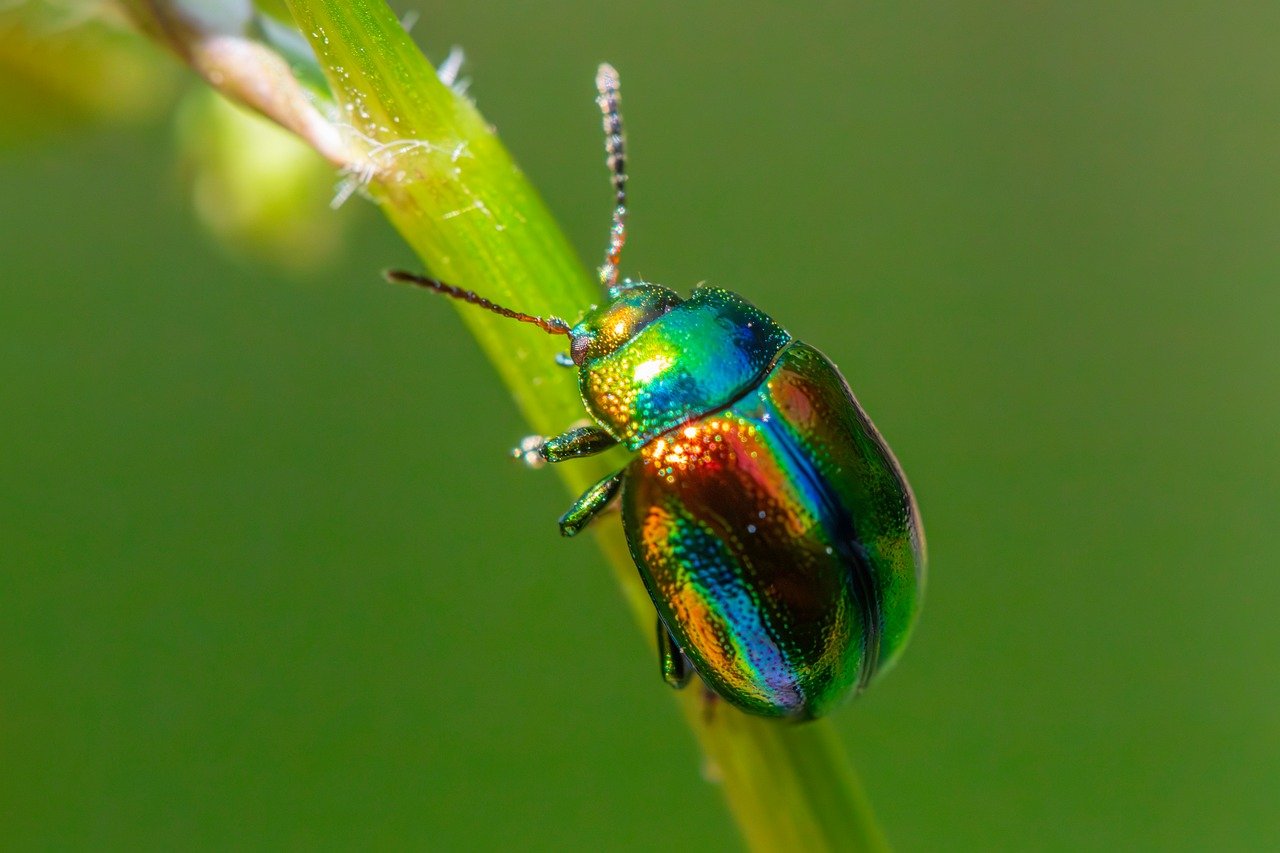
| Skeletonized leaves | Japanese beetles, bean beetles | Metallic beetles visible on plants |
Understanding these patterns helps you respond appropriately rather than applying generic treatments that might not address the actual problem. Each pest type requires different management strategies, making accurate identification crucial for effective control.
Seasonal Monitoring Adjustments for Year-Round Success
Pest pressures change dramatically throughout growing seasons, requiring adjusted monitoring focus as temperatures and plant growth stages shift. Adapting your attention to seasonal patterns helps you stay ahead of predictable pest cycles.
🌱 Spring Monitoring Priorities
As temperatures warm and growth accelerates, focus monitoring efforts on emerging pests breaking winter dormancy. Aphids appear early when tender new growth emerges, multiplying rapidly in moderate temperatures. Check for overwintering pest eggs on stems and branches before they hatch into hungry populations.
Spring is prime time for establishing beneficial insect populations, so monitor carefully to distinguish helpful predators from harmful pests. Ladybugs, lacewings, and ground beetles emerge during this season, providing natural pest control if you avoid disrupting them with unnecessary interventions.
☀️ Summer Monitoring Essentials
Peak growing season brings peak pest pressure as populations build through multiple generations. Spider mites thrive in hot, dry conditions, requiring careful monitoring of stressed plants. Japanese beetles emerge mid-summer in many regions, capable of defoliating plants within days if populations are high.
Monitor more frequently during heat waves when stressed plants become more vulnerable and pest reproduction accelerates. Early morning or evening inspections are most productive since many pests retreat to cooler locations during midday heat.
🍂 Fall Monitoring Focus
As seasons transition, monitor for pests preparing to overwinter in garden debris and soil. Many species lay eggs or enter dormant stages during fall, making this ideal time to disrupt their lifecycle before next season. Clean up plant debris methodically, checking for egg masses and overwintering adults.
Fall is also when some pests make final feeding pushes before cold weather arrives. Caterpillars and beetles may cause significant damage as they bulk up for winter, requiring continued vigilance even as gardening activities wind down.
Recording and Analyzing Your Observations
Consistent record-keeping transforms individual observations into valuable data revealing patterns across seasons and years. This information guides timing for preventive measures and helps predict when specific pests will appear based on temperature and growth stage triggers.
Create simple data collection systems that you’ll actually use rather than elaborate spreadsheets that become burdensome. A basic garden journal noting date, weather conditions, what you observed, and actions taken provides sufficient information for pattern recognition over time.
Photograph damage and pests regularly, creating visual records that help track progression and recovery. Photos also assist with identification when consulting resources or asking experts for help with unfamiliar problems.
📱 Digital Tools for Modern Garden Monitoring
Smartphone apps streamline pest identification and record-keeping, putting powerful resources literally in your pocket while you’re working in the garden. Many apps offer image recognition technology that identifies pests from photos, though verification with multiple sources ensures accuracy.
Weather tracking apps help correlate pest activity with temperature and moisture conditions, revealing environmental triggers for population explosions. This information helps you anticipate problems based on forecast conditions rather than waiting for pests to appear.
Action Thresholds: When Monitoring Indicates Intervention
Not every pest sighting requires immediate action. Understanding action thresholds—the point where pest populations justify intervention—prevents overreaction that disrupts beneficial ecosystem balance. Minor pest presence often resolves naturally through predation and environmental factors.
Establish personal thresholds based on your tolerance for damage and the specific plant’s importance. Ornamental plants might tolerate more aesthetic damage than food crops where contamination concerns exist. Young transplants need more protection than established plants with resources to withstand some pest feeding.
General guidelines suggest intervention when pests are present on 25-30% of plants or when individual plants show more than 10-15% damage. However, aggressive pests like imported cabbageworms on brassicas or tomato hornworms might warrant action at lower thresholds due to their rapid consumption rates.
Integrating Monitoring with Preventive Strategies
Effective pest monitoring works synergistically with preventive cultural practices that reduce pest establishment. Use monitoring data to time preventive measures for maximum impact, applying barriers or introducing beneficial insects just before predictable pest arrivals.
Cultural Practices That Support Monitoring Success
Maintain proper plant spacing that allows easy inspection access while promoting air circulation that discourages fungal diseases pests exploit. Healthy, vigorous plants withstand pest pressure better than stressed specimens, making proper watering and nutrition fundamental pest management strategies.
Rotate crop families annually to disrupt pest lifecycle expectations. Many pests overwinter near where host plants grew previously, emerging to find their preferred food sources relocated. This simple practice reduces pest pressure while monitoring confirms its effectiveness.
Interplant diverse species rather than large monoculture blocks that allow pest populations to build rapidly. Diversity confuses pests searching for host plants while supporting varied beneficial insect populations that provide natural pest suppression.
Building Beneficial Insect Relationships Through Monitoring
Regular monitoring helps you recognize beneficial insects that provide free pest control services. Learning to identify common garden helpers prevents accidental elimination of your best allies in maintaining balanced pest populations.
Ladybugs, both adults and larvae, consume enormous aphid quantities. Lacewing larvae are voracious predators of soft-bodied pests. Ground beetles patrol soil surfaces eating slug eggs, cutworms, and other pests. Parasitic wasps lay eggs in pest insects, with emerging larvae consuming hosts from inside.
Monitor for these beneficials as carefully as pests themselves, noting when populations are high and which plants attract them. This information guides habitat improvements that support beneficial populations, like flowering plants providing nectar and pollen for adult predators.
🌼 Troubleshooting Common Monitoring Challenges
Even with regular monitoring, some situations present identification or management challenges. Understanding common difficulties helps you problem-solve effectively rather than becoming frustrated when standard approaches don’t immediately reveal issues.
When You Can’t Find the Culprit
Damage appears but pests remain elusive, hiding during daylight inspections. Try evening or early morning monitoring when nocturnal feeders are active. Slugs, cutworms, and earwigs often feed at night, disappearing into mulch or soil before you arrive.
Create simple traps to catch secretive pests: boards placed on soil surface attract slugs and beetles underneath, rolled newspaper tubes trap earwigs, beer traps lure slugs. Check traps during monitoring sessions to identify what’s active in your garden.
Dealing with Microscopic Pests
Some problems stem from pests too small for naked eye observation. Spider mites, thrips, and certain aphid species require magnification for confident identification. Invest in an inexpensive jeweler’s loupe or hand lens that magnifies 10-20 times, revealing tiny pests and their distinctive characteristics.
Shake suspected plants over white paper to dislodge microscopic pests where they’re more visible against contrasting backgrounds. This technique works particularly well for thrips and spider mites that drop when disturbed.
Refining Your Monitoring Skills Over Time
Pest monitoring expertise develops through experience and observation rather than overnight. Be patient with yourself as you learn to recognize pest signatures and distinguish harmful species from beneficial insects or innocuous visitors.
Consult multiple identification resources when uncertain about what you’re observing. Cooperative extension services, master gardener programs, and online forums staffed by knowledgeable gardeners provide valuable assistance with tricky identifications. Building this support network enhances your monitoring effectiveness.
Each season adds layers to your understanding of garden pest dynamics specific to your location and growing conditions. Keep learning from both successes and challenges, adjusting monitoring routines based on what works best in your unique situation.
Creating Sustainable Monitoring Habits That Last
The most sophisticated monitoring system fails if it becomes burdensome enough that you abandon it mid-season. Design routines sustainable for your lifestyle and energy levels, accepting that some flexibility maintains long-term consistency better than rigid perfection.
Link monitoring sessions to existing garden activities rather than treating them as separate tasks. Check plants while watering, harvesting, or deadheading flowers. This integration makes monitoring nearly automatic rather than requiring dedicated time blocks you might skip when busy.
Celebrate the peace of mind that regular monitoring provides. Knowing your garden’s current status eliminates worry about what might be happening while you’re not looking. This confidence is among monitoring’s most valuable but often overlooked benefits. 🌻
Master gardeners understand that pest monitoring isn’t about achieving perfection or eliminating every insect from their outdoor spaces. Instead, it’s about developing awareness that allows appropriate responses maintaining healthy balance between plants, pests, and beneficial organisms. Simple, consistent monitoring routines provide this awareness, transforming your relationship with your garden from reactive crisis management to proactive, confident stewardship throughout every growing season.