Transforming a shaded corner of your garden into a lush paradise is easier than you think. With the right selection of shade-tolerant plants, even the darkest spots can burst with color, texture, and life throughout the seasons.

Many gardeners mistakenly believe that shaded areas are destined to remain bare and uninspiring. The truth is quite the opposite—shade gardening opens up a world of unique opportunities to cultivate stunning foliage, delicate blooms, and create peaceful retreats that simply wouldn’t thrive in full sun. Whether you’re dealing with dappled light under tree canopies or deep shade along north-facing walls, understanding which plants flourish in low-light conditions will revolutionize your approach to landscaping.
Understanding Different Types of Garden Shade 🌳
Before selecting plants for your shaded garden oasis, it’s essential to identify the type of shade you’re working with. Not all shade is created equal, and different plants have varying tolerance levels for reduced sunlight exposure.
Partial shade typically means an area receives two to four hours of direct sunlight daily, often in the morning or late afternoon. This type of shade is generally the easiest to work with, as it provides a balanced environment that many plants find ideal.
Dappled shade occurs beneath tree canopies where sunlight filters through leaves, creating a constantly shifting pattern of light and shadow. This environment mimics the natural forest floor conditions where many shade-loving plants originally evolved.
Full shade describes locations that receive less than two hours of direct sunlight per day. These challenging spots—often found on the north side of buildings or beneath dense evergreen trees—require plants specifically adapted to extremely low light conditions.
The Science Behind Shade-Loving Plants 🔬
Shade-tolerant plants have developed remarkable adaptations that allow them to photosynthesize efficiently with minimal sunlight. Understanding these biological advantages helps explain why certain species thrive where others struggle.
Many shade plants feature larger, thinner leaves with increased chlorophyll concentration, maximizing their ability to capture available light. This is why foliage often becomes the star attraction in shade gardens, displaying rich greens and stunning variegation patterns.
These plants also tend to grow more slowly than their sun-loving counterparts, conserving energy and resources. This characteristic makes them generally lower-maintenance options, requiring less frequent division and pruning.
Spectacular Shade-Tolerant Perennials for Year-Round Interest
Perennials form the backbone of any successful shade garden, returning year after year with minimal intervention. These reliable performers offer diverse colors, textures, and bloom times that keep your garden engaging through multiple seasons.
Hostas: The Ultimate Shade Garden Workhorses
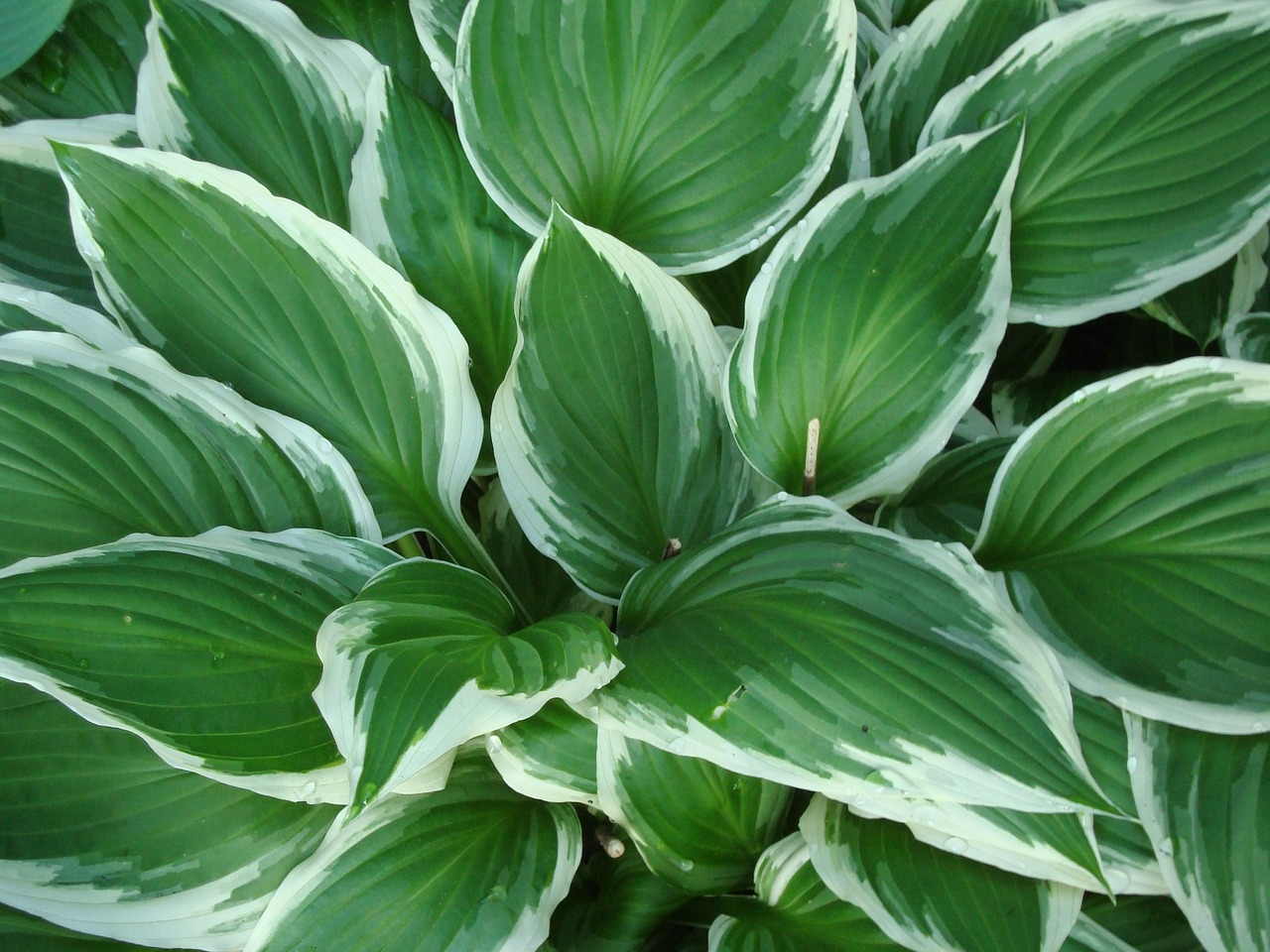
Hostas reign supreme in shade gardening for good reason. With thousands of cultivars available, these plants offer unparalleled variety in leaf size, shape, color, and texture. From miniature varieties perfect for container gardens to massive specimens that command attention, there’s a hosta for every design vision.
These Asian natives thrive in partial to full shade, producing attractive foliage from spring through fall. While their lavender or white summer flowers are pleasant, gardeners primarily cultivate hostas for their spectacular leaves—available in shades of blue, green, gold, and stunning variegated combinations.
Hostas are remarkably forgiving plants that tolerate various soil conditions, though they prefer consistent moisture and rich, well-draining earth. Their only significant enemy is slugs, which can be managed through various organic and conventional methods.
Astilbe: Feathery Plumes of Color
When you want to add vertical interest and vibrant color to shaded areas, astilbe delivers spectacularly. These Asian and North American natives produce fluffy, feather-like flower plumes in shades of white, pink, red, and purple from late spring through summer.
Beyond their stunning blooms, astilbes offer attractive fern-like foliage that remains appealing throughout the growing season. They prefer consistently moist soil and partial to full shade, making them perfect companions for water features or naturally damp garden areas.
Astilbes work beautifully in mass plantings, creating dramatic drifts of color, or as accent plants among other shade perennials. Their flowers also make excellent cut arrangements, bringing the garden’s beauty indoors.
Bleeding Heart: Romantic Garden Charm
Few shade plants capture hearts quite like Dicentra, commonly known as bleeding heart. These woodland natives produce distinctive heart-shaped flowers dangling gracefully from arching stems, creating an enchanting display in spring gardens.
Traditional bleeding hearts (Dicentra spectabilis) bloom prolifically in spring before going dormant in summer, while the fringed bleeding heart (Dicentra eximia) maintains attractive foliage throughout the season and blooms sporadically into fall.
These plants prefer partial shade and rich, moist soil with excellent drainage. They combine beautifully with hostas, ferns, and other shade perennials, creating layered compositions that evolve throughout the seasons.
Shade-Loving Ground Covers That Solve Problem Areas 🌿
Ground covers serve multiple purposes in shade gardens—suppressing weeds, preventing erosion, retaining soil moisture, and creating cohesive visual flow between larger plantings. These low-growing champions transform bare earth into living carpets of texture and color.
Lamium: The Silver-Leaved Wonder
Lamium, or dead nettle, offers striking silver-variegated foliage that brightens even the darkest corners. This fast-spreading ground cover produces small hooded flowers in white, pink, or purple, adding seasonal interest to its already attractive leaves.
Lamium thrives in partial to full shade and tolerates dry conditions once established, making it ideal for challenging areas under mature trees where competition for moisture is intense. Its vigorous growth habit means it can become invasive in ideal conditions, so plant it where its spreading nature is an asset rather than a problem.
Pachysandra: The Classic Evergreen Carpet
Japanese pachysandra has served as a reliable shade ground cover for generations. This evergreen perennial forms dense mats of glossy, dark green foliage that remains attractive year-round, providing consistent visual interest even during winter months.
While some consider pachysandra overused, its effectiveness in deep shade where few other plants survive cannot be denied. It tolerates dry shade, deer browsing, and urban pollution, making it particularly valuable for challenging city gardens.
Stunning Shade-Tolerant Shrubs for Structure and Privacy
Shrubs provide essential structure, height variation, and year-round presence in shade gardens. These woody plants create the framework around which you can design your garden’s overall composition.
Hydrangeas: Shade-Blooming Showstoppers
Certain hydrangea varieties excel in partial shade, producing massive flower clusters that transition through various colors as the season progresses. Smooth hydrangeas (Hydrangea arborescens) and oakleaf hydrangeas (Hydrangea quercifolia) are particularly shade-tolerant, thriving with just a few hours of morning sun.
These deciduous shrubs offer multi-season interest with spring and summer blooms, attractive foliage, interesting bark texture, and dried flower heads that persist into winter. They prefer consistently moist, well-draining soil enriched with organic matter.
Rhododendrons and Azaleas: Spring Spectacle
These evergreen and deciduous members of the Rhododendron genus deliver breathtaking spring color in partial shade settings. With thousands of varieties available, you can find options for nearly any climate zone and design preference.
Rhododendrons and azaleas prefer acidic soil rich in organic matter with excellent drainage. They benefit from dappled shade, which protects their blooms from scorching while providing enough light for prolific flowering.
Shade-Loving Annuals for Seasonal Color Bursts 🌸
While perennials provide the foundation, annuals allow you to experiment with color schemes and refresh your garden’s appearance each season. These temporary residents offer concentrated color from planting until frost.
Impatiens: Continuous Bloom Machines
Standard impatiens (Impatiens walleriana) have long been the go-to annual for shade gardens, producing masses of flowers in virtually every color except true blue. These shade-loving annuals bloom continuously from late spring until frost without deadheading.
New Guinea impatiens offer larger flowers and more sun tolerance, along with attractive variegated foliage. Both types prefer consistently moist soil and partial to full shade, making them perfect for containers, hanging baskets, and garden bed edges.
Begonias: Wax and Tuberous Beauties
Both wax begonias and tuberous begonias thrive in shade, offering succulent foliage and abundant flowers. Wax begonias feature glossy leaves in green or bronze with single or double flowers, while tuberous varieties produce larger, more spectacular blooms resembling roses or camellias.
These versatile plants work equally well in containers and garden beds, preferring partial shade and well-draining soil. Their low-maintenance nature and heat tolerance make them reliable performers throughout summer.
Ferns: Ancient Elegance for Modern Shade Gardens
No shade garden is complete without ferns. These prehistoric plants bring unmatched grace and texture, creating lush, woodland atmospheres that transport visitors to peaceful forest glades.
Japanese painted ferns (Athyrium niponicum) offer striking silver and burgundy fronds that brighten dark corners. Autumn ferns (Dryopteris erythrosora) emerge copper-colored before maturing to glossy green. Ostrich ferns (Matteuccia struthiopteris) create dramatic vertical accents with their tall, vase-shaped habit.
Most ferns prefer partial to full shade with consistently moist, humus-rich soil. They require minimal maintenance beyond occasional removal of dead fronds, making them ideal for low-effort gardening.
Creating Dynamic Shade Garden Combinations 🎨
The secret to stunning shade gardens lies not in individual plant selection but in thoughtful combinations that create visual harmony through contrasting textures, complementary colors, and varied heights.
Pair fine-textured ferns with bold hosta leaves for striking textural contrast. Combine the silver foliage of lamium or Japanese painted ferns with the chartreuse leaves of ‘Sum and Substance’ hosta to create luminous focal points that seem to glow in low light.
Layer plants vertically, placing tall astilbe or ligularia in the background, medium-height hostas and hellebores in the middle ground, and low-growing ajuga or sweet woodruff as a finishing carpet. This layered approach creates depth and interest from multiple viewing angles.
Practical Soil Preparation and Maintenance Tips
Success in shade gardening begins with proper soil preparation. Many shade areas feature challenging conditions—tree root competition, dry soil, or heavy clay—that require amendment before planting.
Incorporate generous amounts of organic matter such as compost, leaf mold, or aged manure into native soil. This improves drainage in clay soils while increasing moisture retention in sandy conditions. Organic matter also provides essential nutrients and creates the humus-rich environment most shade plants prefer.
Mulch is particularly important in shade gardens. A two-to-three-inch layer of shredded bark, leaf compost, or similar organic material conserves moisture, suppresses weeds, regulates soil temperature, and gradually breaks down to further enrich the soil.
Watering needs vary depending on shade type and plant selection. Areas beneath trees often receive less rainfall than open spaces, requiring supplemental irrigation. However, avoid overwatering, as many shade plants are susceptible to fungal diseases in constantly soggy conditions.
Designing Your Shade Garden Oasis for Maximum Impact
Transforming a shaded area into a true garden oasis requires more than just planting shade-tolerant species—it demands thoughtful design that considers sightlines, pathways, seating areas, and seasonal progression.
Create inviting pathways using stepping stones, mulched trails, or gravel paths that encourage exploration of your shade garden. Curved paths generate mystery and interest, while strategically placed benches or seating areas provide opportunities to pause and appreciate your creation.
Incorporate hardscape elements like decorative containers, sculptures, or water features that add year-round interest and provide focal points during seasons when plants are dormant. Light-colored stones or painted surfaces help brighten shaded areas by reflecting available light.
Consider adding shade-appropriate lighting to extend enjoyment into evening hours. Solar-powered path lights, uplighting for interesting tree trunks, or string lights in overhead branches transform shade gardens into magical nighttime retreats.
Overcoming Common Shade Garden Challenges 💪
Even experienced gardeners encounter obstacles when cultivating shade gardens. Understanding common problems and their solutions helps ensure long-term success and prevents frustration.
Dense shade under mature trees presents challenges with root competition and limited moisture. Address this by selecting particularly tough ground covers like pachysandra or epimedium, and supplementing with container plantings that you can position for best effect without competing with tree roots.
Slug and snail damage is often more pronounced in shaded, moist environments. Combat these pests using organic methods like beer traps, copper barriers, or diatomaceous earth, or choose more resistant plants like ferns, astilbe, and ornamental grasses.
Poor air circulation in enclosed shaded areas can promote fungal diseases. Improve airflow by selectively pruning lower tree branches, avoiding overhead watering when possible, and spacing plants appropriately to prevent crowding.
Embracing the Beauty of Shade Gardening
Shade gardening opens creative possibilities that sun-focused landscapes simply cannot replicate. The subtle beauty of foliage variations, the peaceful atmosphere created by dappled light, and the opportunity to cultivate unique plants that thrive nowhere else make shade gardens truly special spaces.
Rather than viewing shaded areas as limitations, embrace them as opportunities to create serene retreats where you can escape summer heat and appreciate plants whose quiet elegance might be overlooked in brighter borders. With proper plant selection, soil preparation, and design attention, your shaded garden spaces can become the most treasured areas of your outdoor living environment.
Start small, experiment with different combinations, and allow your shade garden to evolve over time. The forgiving nature of most shade plants means mistakes are easily corrected, and the slower growth rate provides ample time to refine your design vision. Soon, you’ll discover that thriving in the shadows isn’t just possible—it’s remarkably rewarding.