Bright indirect light creates the perfect environment for a stunning variety of houseplants that can transform any interior space into a lush, vibrant sanctuary.

Understanding the unique lighting conditions in your home is essential for selecting plants that will not only survive but truly thrive. Bright indirect light—that sweet spot where sunlight filters through curtains or bounces off walls—offers the ideal balance for countless plant species that would otherwise struggle in harsh direct sun or dim corners. This lighting condition mimics the natural habitat of many tropical understory plants, making it perfect for creating an indoor jungle that requires surprisingly little maintenance once you’ve chosen the right specimens.
🌿 Understanding Bright Indirect Light and Why It Matters
Bright indirect light refers to areas where natural sunlight is abundant but doesn’t directly hit the plant’s foliage. This typically occurs near windows that face east or west, or in spaces a few feet away from south-facing windows. The light in these locations is bright enough to read comfortably without artificial lighting during daytime hours, yet you wouldn’t feel the warmth of direct sun rays on your skin.
This lighting condition is remarkably versatile for indoor gardening because it provides sufficient energy for photosynthesis without the risk of leaf scorching. Many popular houseplants originate from forest floors or shaded tropical regions where they naturally receive filtered sunlight through canopy layers. Replicating these conditions indoors allows these plants to display their full potential—producing vibrant foliage, maintaining healthy growth patterns, and requiring minimal intervention from their caretakers.
Monstera Deliciosa: The Instagram-Worthy Statement Plant
The Monstera deliciosa has become synonymous with contemporary interior design, and for good reason. This Swiss cheese plant features large, glossy leaves with distinctive natural perforations that become more pronounced as the plant matures. In bright indirect light, Monsteras grow at an impressive rate, producing new leaves every few weeks during the growing season.
Care for this tropical beauty is remarkably straightforward. Water when the top two inches of soil feel dry, typically once weekly during warmer months and less frequently in winter. The Monstera appreciates moderate to high humidity but adapts well to average household conditions. Provide a moss pole or trellis for support as it grows, and wipe the large leaves occasionally to remove dust and maximize photosynthesis.
Why Monstera Thrives in Bright Indirect Light
Native to Central American rainforests, Monstera naturally climbs trees to reach filtered sunlight. The fenestrations in mature leaves may have evolved to allow light to pass through to lower leaves and to withstand strong winds. When grown in bright indirect light indoors, these plants develop their characteristic splits and holes more reliably than those kept in lower light conditions, creating the dramatic aesthetic that makes them so desirable.
Pothos Varieties: The Indestructible Cascading Beauties
Pothos plants represent perhaps the most forgiving category of houseplants for bright indirect light environments. Available in multiple varieties—including Golden Pothos, Marble Queen, Neon, and Jade—these vining plants offer versatility in both appearance and placement. Their trailing nature makes them perfect for hanging baskets, high shelves, or trained along walls and furniture.
The adaptability of Pothos is legendary among plant enthusiasts. These plants tolerate occasional neglect, inconsistent watering, and varying humidity levels. In bright indirect light, Pothos displays more vibrant coloration and variegation, with faster growth rates that allow you to propagate and share cuttings with friends. Simply place stems in water until roots develop, then pot them up for new plants.
🌱 Fiddle Leaf Fig: The Architectural Showstopper
Few plants command attention quite like the Fiddle Leaf Fig (Ficus lyrata). With its large, violin-shaped leaves and upright growth habit, this plant serves as a living sculpture that anchors any room’s design. While they’ve earned a reputation for being finicky, understanding their preferences makes them manageable for intermediate plant parents.
Bright indirect light is crucial for Fiddle Leaf Figs. Too little light causes leggy growth and leaf drop, while direct sun scorches the delicate foliage. Position your Fiddle Leaf Fig near an east-facing window or several feet back from a south-facing one. Rotate the plant quarterly to ensure even growth on all sides.
Watering requires attention to detail—these plants despise both drought and soggy roots. Allow the top inch of soil to dry between waterings, then water thoroughly until excess drains from the bottom. Consistency is key; erratic watering schedules lead to brown spots and leaf loss. Wipe leaves monthly with a damp cloth to remove dust and check for pests.
Snake Plant: The Ultimate Low-Maintenance Option
For those seeking greenery with minimal time investment, the Snake Plant (Sansevieria trifasciata) delivers architectural interest with almost zero maintenance. While these plants tolerate low light conditions, they truly excel in bright indirect light where their growth accelerates and colors intensify. The upright, sword-like leaves add vertical interest to spaces and come in various patterns and sizes.
Snake Plants are nearly indestructible. They thrive on neglect, preferring to dry out completely between waterings—typically every 2-3 weeks. These plants store water in their thick leaves, making them drought-tolerant and perfect for frequent travelers or forgetful waterers. They also rank highly on NASA’s list of air-purifying plants, removing toxins like formaldehyde and benzene from indoor environments.
Prayer Plant Family: Dynamic Foliage That Moves
The Marantaceae family, commonly called Prayer Plants, includes Marantas, Calatheas, and Stromanthes—all featuring spectacularly patterned foliage that responds to light cycles. These plants earned their common name from their nyctinastic movement: leaves fold upward at night as if in prayer, then open again with morning light. This fascinating behavior adds an interactive element to your plant collection.
Creating the Perfect Environment for Prayer Plants
Bright indirect light prevents the vibrant patterns on Prayer Plant leaves from fading while avoiding the leaf curl that occurs in direct sun. These tropical natives appreciate higher humidity levels, making them excellent candidates for bathrooms with windows or kitchens. Group them with other plants to create a microclimate with increased ambient moisture, or place them on pebble trays filled with water.
Water Prayer Plants when the top layer of soil begins to dry, maintaining consistent moisture without waterlogging. Use filtered or distilled water when possible, as these plants are sensitive to fluoride and chlorine found in tap water. Brown leaf tips often indicate water quality issues or low humidity rather than watering frequency problems.
🪴 Philodendron Collection: Versatile and Vigorous
The Philodendron genus offers extraordinary diversity, from compact varieties like Brasil and Micans to climbing species like Heartleaf Philodendron. These plants share similar care requirements and all perform exceptionally well in bright indirect light. Their glossy, heart-shaped leaves create a lush tropical atmosphere while remaining remarkably low-maintenance.
Philodendrons grow quickly in optimal conditions, making them satisfying choices for those who enjoy visible plant progress. They tolerate a range of humidity levels and forgive occasional missed waterings. Allow the soil to dry slightly between waterings, and provide a support structure for climbing varieties to encourage larger leaf development.
Rubber Plant: Bold Color and Easy Care
Rubber Plants (Ficus elastica) offer bold, substantial foliage in colors ranging from deep burgundy to variegated cream and green. These sturdy plants develop into impressive specimens with minimal care, making them ideal for bright indirect light locations where you want maximum visual impact with minimal effort.
Young Rubber Plants grow as single stalks but can be encouraged to branch through pruning. Wipe the large, glossy leaves regularly to maintain their shine and remove dust. These plants prefer to dry out slightly between waterings and benefit from consistent conditions—avoid moving them frequently once they’ve acclimated to a location.
Bird of Paradise: Tropical Drama Indoors
For those with adequate space, the Bird of Paradise (Strelitzia reginae) brings dramatic tropical flair to bright indirect light environments. While these plants can reach substantial sizes indoors, their large paddle-shaped leaves create an instant vacation vibe. Though they rarely flower indoors without intense light, the foliage alone justifies their inclusion in plant collections.
Bird of Paradise plants appreciate consistent moisture during the growing season and slightly drier conditions in winter. They’re relatively fast growers in bright indirect light and benefit from monthly feeding during spring and summer. Provide adequate space around these plants as the leaves naturally split with age—a characteristic feature rather than damage.
🌿 Creating Layered Displays with Multiple Plant Heights
Maximizing the impact of bright indirect light areas involves thoughtful plant placement at varying heights. Create visual interest by combining trailing plants in hanging baskets, medium-height plants on stands or shelves, and floor plants like Fiddle Leaf Figs or Bird of Paradise as anchors.
This layered approach mimics natural forest ecosystems and allows you to accommodate more plants in a single bright area. Ensure adequate air circulation between plants to prevent pest issues and fungal problems. Consider using furniture specifically designed for plant display, such as tiered plant stands or wall-mounted shelves, to maximize vertical space.
Watering Strategies for Bright Indirect Light Conditions
Plants in bright indirect light typically require more frequent watering than those in dimmer locations due to increased photosynthesis and transpiration. However, individual needs vary significantly based on plant type, pot size, soil composition, and seasonal changes. Develop a habit of checking soil moisture rather than watering on a fixed schedule.
Insert your finger into the soil up to the second knuckle—if it feels dry at that depth, most plants are ready for water. Alternatively, lift the pot to gauge weight; well-watered plants feel noticeably heavier than dry ones. When you do water, do so thoroughly until excess drains from the bottom, ensuring the entire root system receives moisture.
Soil and Potting Considerations for Optimal Growth
The right growing medium makes a significant difference in plant health and maintenance requirements. Most plants thriving in bright indirect light prefer well-draining soil that retains some moisture without becoming waterlogged. A quality potting mix combined with perlite or orchid bark improves drainage while maintaining adequate water retention.
Ensure all pots have drainage holes to prevent root rot—one of the most common killers of houseplants. Use saucers to protect furniture but empty them 30 minutes after watering to prevent plants from sitting in standing water. Repot plants every 1-2 years or when roots begin circling the pot’s interior, typically moving up just one pot size.
Fertilizing Plants in Bright Light Environments
Plants actively photosynthesizing in bright indirect light require nutrients to support their growth. During the growing season (spring and summer), feed most houseplants monthly with a balanced, water-soluble fertilizer diluted to half the recommended strength. This gentle approach prevents fertilizer burn while providing essential nutrients.
Reduce or eliminate fertilizing during fall and winter when most plants enter dormancy and growth naturally slows. Signs of over-fertilization include brown leaf tips, white crust on soil surface, and stunted growth. If this occurs, flush the soil thoroughly with water to remove excess salts and resume fertilizing at a more diluted concentration.
🌱 Troubleshooting Common Issues in Bright Indirect Light
Even in ideal lighting conditions, plants occasionally experience problems. Yellowing leaves often indicate overwatering, while brown, crispy edges suggest low humidity or underwatering. Pale or washed-out foliage may mean the light is too bright and borders on direct sun, requiring you to move the plant slightly further from the window or add a sheer curtain.
Leggy growth with long spaces between leaves indicates insufficient light despite your perception of the area as bright. Consider that seasonal changes affect light intensity—what’s bright indirect light in summer may become medium light in winter. Be prepared to shift plants closer to windows during darker months or supplement with grow lights.
Pest Prevention and Management
Healthy plants in optimal conditions are naturally more resistant to pests, but occasional infestations occur. Common houseplant pests include spider mites, mealybugs, scale, and fungus gnats. Regular inspection—particularly on leaf undersides and stems—allows early detection when problems are easier to manage.
Treat pest issues promptly with insecticidal soap, neem oil, or simply wiping leaves with diluted dish soap solution. Isolate affected plants to prevent spread to your entire collection. Many pest problems arise from overwatering or poor air circulation, so addressing cultural care often resolves recurring infestations.
Seasonal Care Adjustments for Year-Round Success
Understanding that plant care requirements shift with seasons ensures continued health and growth. During spring and summer, most plants require more frequent watering, regular fertilizing, and potentially more humidity as heating and cooling systems affect indoor air quality. This is also the ideal time for repotting, propagating, and pruning.
Fall and winter bring natural dormancy for many species. Growth slows or stops entirely, requiring less water and no fertilizer. Don’t mistake this dormancy for problems—it’s a natural rest period. Reduce watering frequency but don’t allow soil to become bone dry. Watch for decreased light levels as days shorten and consider repositioning plants closer to windows.
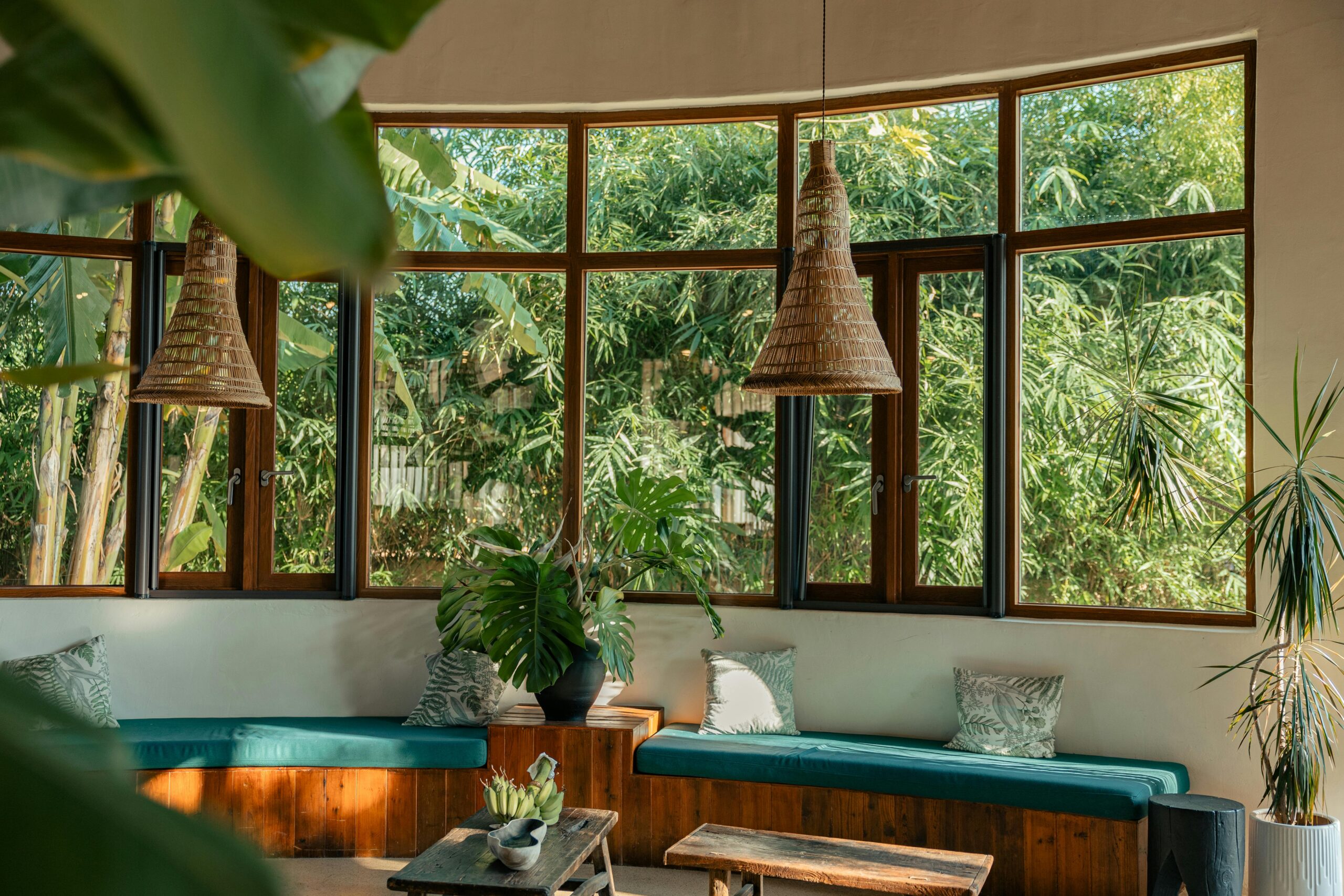
Transforming Your Space with Strategic Plant Placement
Beyond simply placing plants in bright indirect light, consider how they enhance your living space aesthetically and functionally. Large floor plants create natural room dividers and focal points, while trailing plants soften hard architectural edges. Group plants with similar care requirements together for easier maintenance and increased visual impact.
Use plants to draw attention to specific areas or to balance asymmetrical room layouts. The vertical lines of Snake Plants and Bird of Paradise make ceilings appear higher, while bushy plants like Philodendrons add fullness to empty corners. Consider foliage color and texture combinations—pairing the deep burgundy of a Rubber Plant with the bright green of a Golden Pothos creates striking contrast.
With these carefully selected plants and thoughtful care strategies, your bright indirect light areas will transform into thriving green spaces that enhance your home’s atmosphere while requiring minimal maintenance. The key to success lies in choosing appropriate species, understanding their individual needs, and maintaining consistency in care routines. Start with one or two varieties that appeal to you, master their requirements, then gradually expand your collection as your confidence grows. The reward is a lush, vibrant indoor garden that brings nature’s calming influence into your daily environment. 🌿