Successfully transitioning plants to new lighting conditions is one of the most critical yet often overlooked aspects of plant care that determines long-term health and vitality.

Whether you’re moving seedlings outdoors, introducing houseplants to brighter spaces, or adjusting grow light intensity, understanding light acclimation can mean the difference between thriving greenery and stressed, damaged foliage. The process requires patience, observation, and strategic implementation to ensure your botanical companions adapt without shock or permanent harm.
🌱 Understanding the Science Behind Light Acclimation
Plants are remarkably adaptable organisms, but their tolerance for sudden environmental changes has distinct limitations. Light acclimation, also known as photoacclimation, refers to the physiological adjustments plants make when exposed to different light intensities or spectrums. This biological process involves changes at the cellular level, including modifications to chloroplast structure, photosynthetic pigment concentrations, and protective mechanisms against light stress.
When plants experience abrupt increases in light exposure, they can suffer from photoinhibition—a condition where excessive light energy damages the photosynthetic apparatus faster than the plant can repair it. Conversely, sudden decreases in light availability can lead to etiolation, where plants stretch unnaturally seeking more illumination, resulting in weak, leggy growth with reduced vigor.
The acclimation period typically ranges from seven to fourteen days, though some species require longer adjustment windows. During this time, plants actively modify their leaf anatomy, adjusting the number and size of chloroplasts, altering the ratio of photosynthetic pigments, and strengthening protective compounds like anthocyanins that shield sensitive tissues from light damage.
☀️ Recognizing Signs Your Plants Need Gradual Light Transition
Understanding when light acclimation is necessary prevents unnecessary stress and potential plant loss. Several scenarios demand careful light adjustment protocols rather than immediate exposure changes.
Newly purchased plants from nurseries or garden centers have typically grown in controlled environments with specific lighting conditions. These plants require gradual introduction to your home’s lighting situation, whether brighter or dimmer than their previous location. Similarly, seedlings started indoors under grow lights need systematic hardening off before transplanting outdoors to prevent sunburn and transplant shock.
Seasonal changes also necessitate acclimation awareness. As days lengthen in spring or shorten in autumn, indoor plants positioned near windows experience gradually shifting light patterns. While these natural transitions are generally manageable, houseplants moved between rooms or residences require deliberate acclimation strategies.
Watch for these warning signs indicating light stress: yellowing or bleaching of leaves, brown scorched patches on foliage, wilting despite adequate watering, leaf drop, or conversely, pale stretched growth with elongated internodes. These symptoms suggest your acclimation approach needs adjustment.
Creating Your Step-by-Step Light Acclimation Strategy
Implementing a successful light acclimation protocol requires methodical planning and consistent execution. The fundamental principle involves gradual exposure increases rather than immediate full-intensity placement.
Begin by assessing both the current light conditions where your plant currently resides and the target environment’s light characteristics. Measure light intensity using a light meter or smartphone app with lux measurement capabilities. Understanding this baseline allows you to calculate appropriate incremental increases.
For plants moving from low to high light environments, start with exposure to the new location for just one to two hours during the mildest light period—typically morning or late afternoon. Each day, extend this exposure by 30 to 60 minutes while monitoring plant response. This graduated approach typically spans ten to fourteen days before full-time placement.
When transitioning outdoor plants, utilize shade cloth or natural barriers to filter intense sunlight initially. Begin with 50-70% shade coverage, progressively removing layers every few days as the plant demonstrates tolerance through maintained color, turgor, and growth patterns.
Indoor Light Acclimation Techniques
Indoor environments present unique challenges due to artificial lighting and reduced natural light penetration. When moving houseplants to brighter windows, position them initially at twice the distance from the window compared to their final placement. Every three days, move them incrementally closer while observing for stress indicators.
For plants transitioning to grow lights, start with lights positioned farther away than recommended manufacturer distances and operate them for shorter daily durations. Gradually decrease distance and extend photoperiod over two weeks until reaching optimal specifications for your particular plant species.
Consider using sheer curtains or translucent barriers to diffuse intense direct sunlight during the acclimation period. This simple modification reduces light intensity while maintaining exposure duration, allowing plants to build tolerance without overwhelming their photosynthetic capacity.
🌿 Species-Specific Acclimation Requirements
Different plant categories have varying light acclimation needs based on their evolutionary adaptations and natural habitats. Understanding these distinctions ensures tailored approaches that respect each plant’s biological limitations.
Tropical Houseplants and Light Adjustment
Popular tropical species like pothos, philodendrons, and monsteras typically originate from forest understories where they experience dappled, filtered light. These plants adapt reasonably well to increased light but can suffer rapid damage from direct sun exposure without proper acclimation.
Allow two full weeks for tropical foliage plants transitioning to brighter conditions. These species benefit from morning sun exposure initially, as cooler temperatures combined with gentler light reduce stress. Afternoon sun, being more intense and accompanied by heat, should be introduced only after morning sun tolerance is established.
Succulents and Cacti Light Transitions
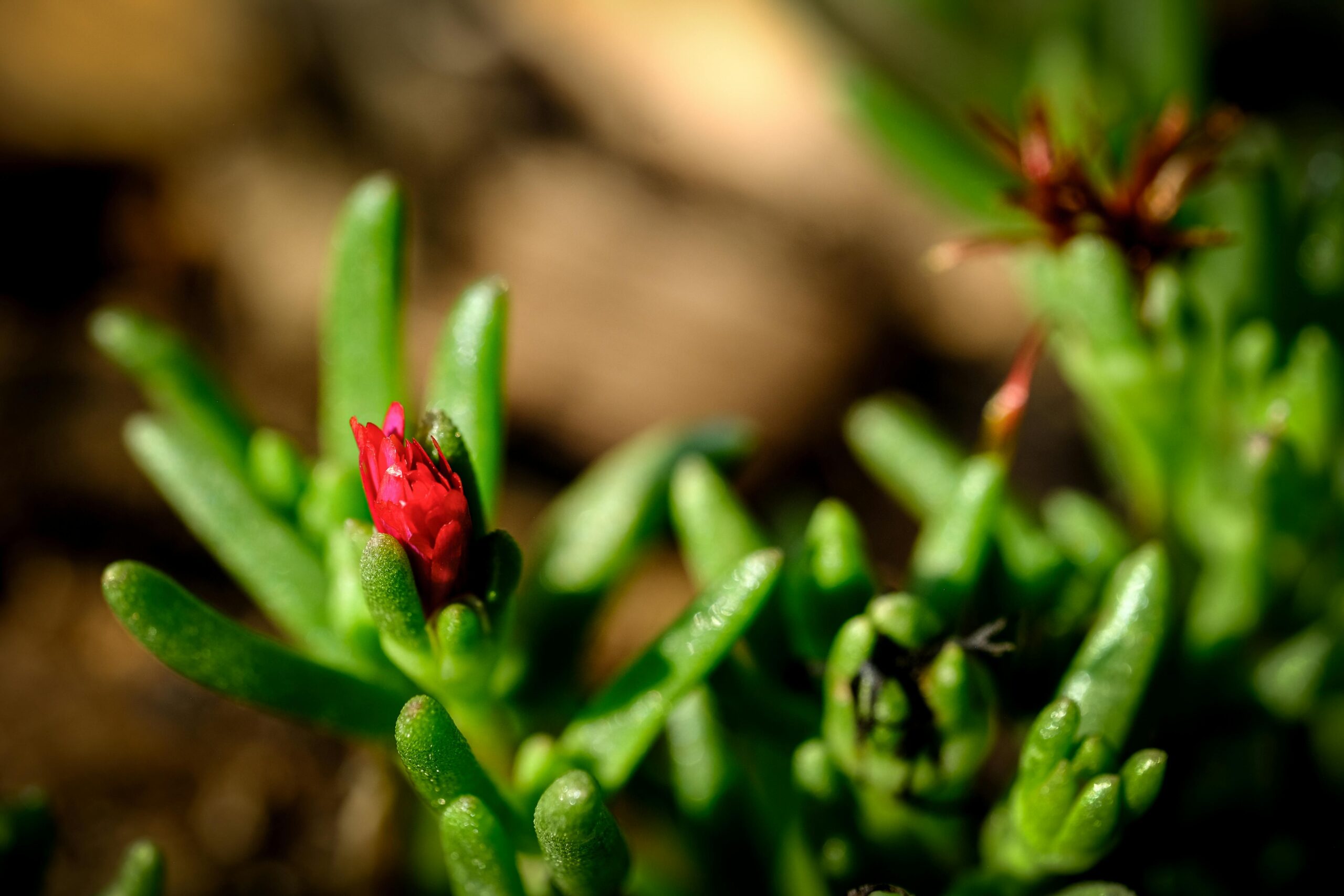
Despite their desert origins, nursery-grown succulents and cacti are often cultivated under shade cloth and can sunburn surprisingly easily when immediately placed in full sun. These plants require acclimation periods of seven to ten days, with particular attention to preventing heat accumulation in their water-storing tissues.
Introduce succulents to direct sunlight gradually, beginning with one hour of morning sun and increasing daily. Their thick, fleshy leaves provide some buffer against light stress, but pigmentation changes from green to stressed purple or red indicate excessive exposure requiring slower progression.
Vegetable Seedlings and Hardening Off
Vegetable transplants represent perhaps the most critical acclimation scenario, as stressed seedlings produce reduced yields and demonstrate increased disease susceptibility. The hardening off process should begin seven to ten days before intended transplant dates.
Start seedlings in a protected outdoor location with filtered light and wind protection. Initial exposure should be limited to two to three hours, gradually extending duration while simultaneously introducing plants to direct sunlight, temperature fluctuations, and wind exposure. This comprehensive environmental acclimation produces robust transplants capable of immediate productive growth.
Environmental Factors That Influence Acclimation Success
Light acclimation doesn’t occur in isolation—temperature, humidity, and watering practices significantly impact how plants tolerate lighting changes and should be managed concurrently for optimal results.
Temperature and light intensity interact synergistically. High light combined with elevated temperatures can overwhelm plant stress responses more quickly than either factor alone. During acclimation periods, monitor temperature alongside light exposure, avoiding the hottest parts of the day when introducing plants to brighter conditions.
Humidity plays a protective role during light transitions. Higher atmospheric moisture reduces transpiration stress, allowing plants to maintain cellular hydration while adjusting to new light levels. Consider grouping plants together, using pebble trays, or employing humidifiers during acclimation to create favorable conditions.
Watering protocols require adjustment during light acclimation. Plants in brighter conditions typically consume more water through increased photosynthesis and transpiration. However, stressed plants may temporarily reduce water uptake. Monitor soil moisture carefully, adjusting frequency based on actual plant needs rather than predetermined schedules.
📊 Monitoring and Measuring Acclimation Progress
Successful light acclimation requires attentive observation and willingness to adjust strategies based on plant responses. Establishing monitoring routines helps identify problems before they become irreversible.
Daily visual inspections should assess leaf color, turgor, and orientation. Healthy acclimating plants maintain their characteristic coloration and leaf posture. Drooping, color changes, or leaf curling indicate the current light level exceeds the plant’s adaptive capacity, requiring reduced exposure or slower progression.
Photograph your plants at the beginning of acclimation and every few days throughout the process. Visual documentation helps track subtle changes that might escape notice during daily observations and provides valuable reference material for future acclimation efforts with similar species.
Measure light intensity at plant level rather than relying on general location assessments. Light meters or smartphone apps provide quantifiable data showing actual exposure plants receive, accounting for factors like window film, nearby structures casting shadows, or seasonal sun angle changes.
🛠️ Tools and Resources for Optimal Light Management
Modern plant care benefits from various tools that simplify light monitoring and acclimation management. While not essential, these resources can improve outcomes, particularly for valuable specimens or large plant collections.
Light meters designed for photography or horticulture measure illuminance in lux or foot-candles, providing objective data about light availability. These instruments remove guesswork, allowing precise progressive increases during acclimation. Alternatively, several smartphone applications measure light intensity with reasonable accuracy for plant care purposes.
Shade cloth comes in various densities, typically labeled by percentage of light blocked. Having multiple shade cloth grades (30%, 50%, 70%) enables customized protection levels tailored to specific acclimation stages and plant requirements.
Adjustable grow lights with dimming capabilities and timer functions offer exceptional control for indoor acclimation. These systems allow precise light intensity adjustments and automated photoperiod management, ensuring consistent progressive exposure without manual intervention.
Common Light Acclimation Mistakes to Avoid
Even experienced plant enthusiasts occasionally make acclimation errors that compromise plant health. Recognizing these common pitfalls helps prevent unnecessary setbacks and potential plant loss.
The most frequent mistake involves rushing the process. Impatience leads to exposure increases that exceed the plant’s adaptive capacity, resulting in permanent foliage damage and stress that may take months to overcome. Always err on the side of slower progression—plants appreciate caution more than haste.
Failing to account for seasonal intensity changes causes acclimation problems. Spring and early summer sun is considerably more intense than autumn or winter light. A sunny window that seems perfect in November may prove excessively bright by April without accounting for seasonal solar angle and intensity variations.
Neglecting to adjust watering and fertilization during acclimation creates additional stress. Plants focused on photosynthetic adaptation have reduced capacity to handle other environmental challenges. Maintain consistent care routines while avoiding fertilization during active acclimation periods, resuming feeding once plants demonstrate stable adaptation.
Assuming all plants in a species group have identical requirements overlooks individual variation. Even within a single species, different cultivars or plants with varied growth histories may demonstrate different acclimation tolerances. Observe each plant individually rather than applying blanket approaches to entire collections.
💡 Long-Term Benefits of Proper Light Acclimation
Investing time and attention into proper light acclimation yields substantial dividends throughout a plant’s life, establishing foundations for vigorous growth and resilience against future environmental challenges.
Properly acclimated plants develop optimal leaf structures matched to their lighting environment. This includes appropriate chloroplast density, leaf thickness, and protective pigment concentrations that maximize photosynthetic efficiency while minimizing stress from light exposure.
Plants that successfully acclimate without damage maintain continuous growth momentum rather than diverting resources to recovery from light stress. This uninterrupted development translates to faster maturation, increased flowering or fruiting, and overall superior appearance compared to stressed specimens.
Well-acclimated plants demonstrate enhanced resistance to pests and diseases. Stress-free plants maintain robust immune responses and physical barriers against pathogens, whereas light-stressed plants show increased susceptibility to fungal infections, pest infestations, and secondary problems.
The confidence and observational skills developed through successful light acclimation improve overall plant care capabilities. Learning to read subtle plant signals and respond appropriately creates more intuitive, successful long-term relationships with your botanical companions.
Seasonal Considerations and Year-Round Plant Management
Light availability and quality fluctuate throughout the year, requiring awareness and occasional re-acclimation to maintain optimal plant health across seasons.
As days lengthen in spring, plants positioned near windows experience gradually increasing light intensity and duration. This natural progression typically allows adaptation without intervention, but monitoring remains important for plants in south or west-facing windows where summer intensity may eventually exceed tolerance.
Autumn’s decreasing light presents opposite challenges. Plants accustomed to bright summer conditions may need repositioning closer to windows or supplementation with grow lights to prevent etiolation. This transition should also occur gradually, moving plants incrementally over several weeks rather than making sudden location changes.
Winter solstice periods challenge many houseplants, particularly tropical species requiring bright indirect light. Consider temporary grow light supplementation during the darkest months, acclimating plants to artificial lighting gradually and removing supplementation progressively as spring light returns.
🌟 Advanced Techniques for Professional Results
Experienced growers employ sophisticated strategies that optimize acclimation while accommodating individual plant needs and environmental constraints.
Creating microclimates using strategic plant grouping helps establish favorable humidity and light diffusion. Placing sensitive specimens behind more tolerant plants creates natural shade gradients, allowing protected plants to acclimate while benefiting from companion plant transpiration.
Implementing movable shade structures using curtains, blinds, or removable shade cloth provides flexible light management without relocating plants. This approach proves particularly valuable for large specimens or permanent installations where movement isn’t practical.
Maintaining detailed records of acclimation protocols and outcomes builds institutional knowledge that improves future efforts. Document species, initial and final conditions, timeline, daily exposure increments, and plant responses. This information becomes increasingly valuable as your collection and expertise grow.
Mastering light acclimation transforms plant care from reactive problem-solving to proactive cultivation that anticipates and prevents stress before it occurs. This fundamental skill empowers you to confidently introduce new plants to your collection, relocate existing specimens, and maintain thriving greenery through seasonal changes and environmental transitions. The patience invested in gradual, thoughtful acclimation consistently produces superior results—healthier plants with vibrant growth, enhanced resilience, and the robust vitality that makes plant cultivation so deeply rewarding. Your plants will demonstrate their appreciation through lush foliage, prolific flowering, and the unmistakable vigor that distinguishes truly thriving specimens from merely surviving ones.