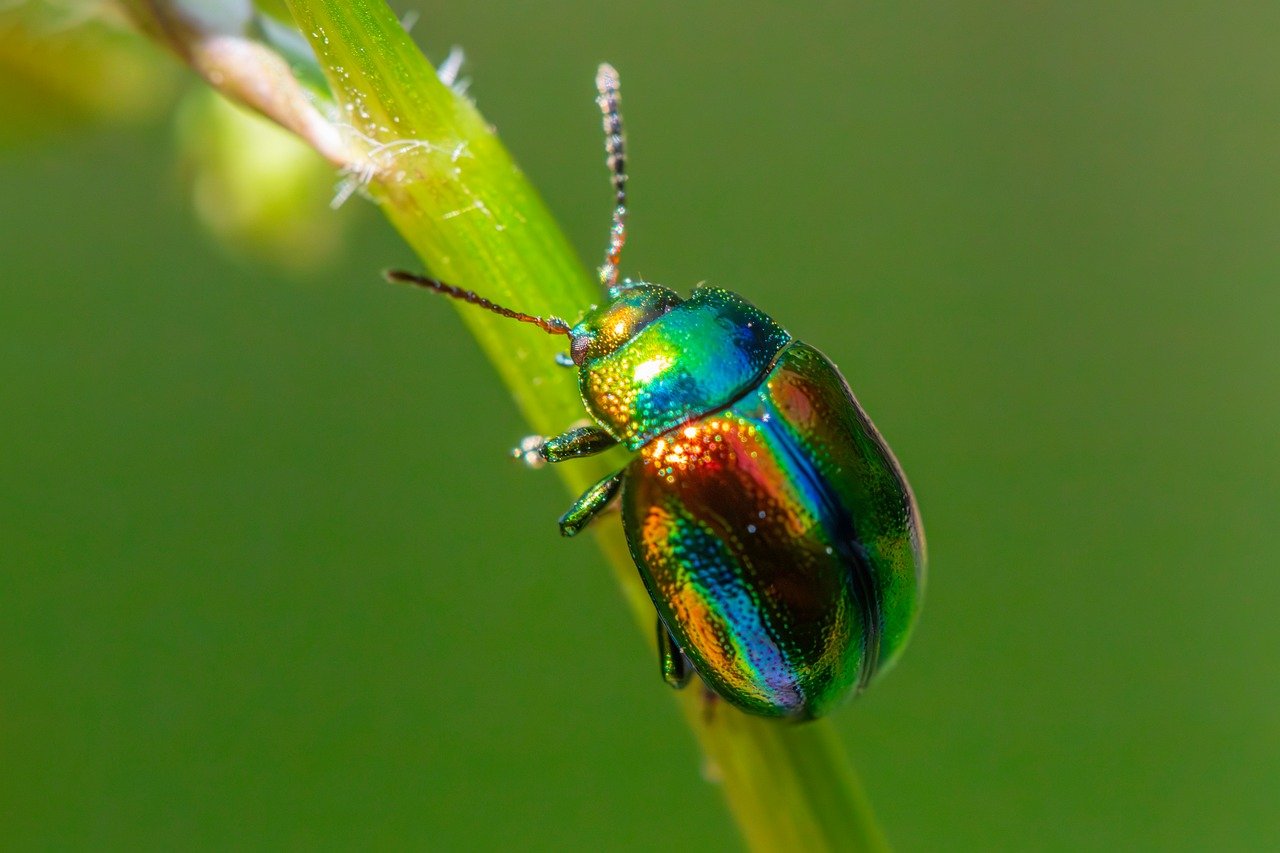
Light shapes every moment of our existence, influencing our mood, energy, and health in profound ways. The eternal dance between sunlight streaming through windows and the glow of electric bulbs has become one of modern life’s most significant yet underappreciated debates.

As urbanization accelerates and screen time dominates our daily routines, understanding the fundamental differences between artificial and natural light has never been more critical. Our bodies evolved under the sun’s spectrum for millions of years, yet today’s average person spends over 90% of their time indoors, bathed in manufactured illumination. This dramatic shift raises important questions about productivity, circadian rhythms, mental health, and overall well-being that deserve our attention.
☀️ The Science Behind Natural Light
Natural light represents the full spectrum of electromagnetic radiation emitted by the sun, encompassing wavelengths from ultraviolet to infrared. This complex composition delivers approximately 10,000 lux on a clear day, far exceeding typical indoor lighting levels of 300-500 lux. The sun’s dynamic nature—changing intensity, color temperature, and angle throughout the day—provides crucial environmental cues that regulate our biological systems.
Our eyes contain specialized photoreceptor cells called intrinsically photosensitive retinal ganglion cells (ipRGCs) that respond particularly to the blue wavelengths abundant in morning sunlight. These cells communicate directly with the suprachiasmatic nucleus, our brain’s master clock, synchronizing our circadian rhythms with the external environment. This sophisticated system evolved to optimize human physiology around the natural light-dark cycle, influencing everything from hormone production to body temperature.
The Vitamin D Connection
One of natural light’s most crucial benefits lies in its ability to trigger vitamin D synthesis in our skin. When UVB rays contact the skin, they convert 7-dehydrocholesterol into vitamin D3, an essential nutrient supporting bone health, immune function, and mood regulation. Research suggests that approximately 1 billion people worldwide suffer from vitamin D deficiency, partly due to insufficient sun exposure—a problem artificial light cannot address since standard bulbs emit no UVB radiation.
💡 Understanding Artificial Light Technologies
Artificial lighting has undergone remarkable evolution since Thomas Edison’s incandescent bulb revolutionized society in the late 19th century. Today’s lighting landscape includes diverse technologies, each with distinct characteristics, advantages, and limitations affecting human health and productivity.
Incandescent bulbs produce warm, continuous-spectrum light similar to natural sunlight but waste significant energy as heat. Fluorescent lighting offers efficiency improvements but emits discontinuous spectra with prominent spikes in certain wavelengths, often causing eye strain and headaches. LED technology has rapidly dominated the market, providing exceptional energy efficiency and longevity, though early generations produced harsh, blue-heavy light linked to circadian disruption.
The Blue Light Controversy
Modern artificial light sources, particularly LED screens and bulbs, emit disproportionate amounts of blue light compared to natural evening illumination. While blue wavelengths enhance alertness and performance during daylight hours, evening exposure suppresses melatonin production, delaying sleep onset and reducing sleep quality. Studies demonstrate that two hours of tablet reading before bed can suppress melatonin by 55% and delay circadian timing by 90 minutes, creating a cascade of health consequences.
🧠 Cognitive Performance and Productivity Under Different Lighting
The relationship between lighting conditions and workplace productivity has fascinated researchers for decades, yielding insights that challenge conventional office design. Natural light exposure correlates strongly with improved cognitive function, faster processing speeds, and enhanced memory consolidation compared to artificial illumination alone.
A groundbreaking Northwestern University study found that workers in windowless environments averaged 46 fewer minutes of sleep per night and reported lower vitality scores and quality of life measures. Employees with windows received 173% more white light exposure during work hours and demonstrated measurably better outcomes across multiple wellness indicators.
Task-Specific Lighting Requirements
Different activities benefit from varied lighting conditions, suggesting optimal environments blend both natural and artificial sources strategically. Creative tasks often flourish under warmer, dimmer lighting that promotes relaxed, associative thinking, while analytical work benefits from brighter, cooler light enhancing focus and attention to detail.
- Reading and detailed work: 500-1000 lux with minimal glare and even distribution
- Computer tasks: Ambient lighting at 300-500 lux with reduced screen-to-environment contrast
- Creative brainstorming: Warmer tones (2700-3000K) at moderate intensity
- Precision tasks: High-intensity, cool-toned lighting (5000-6500K) with directional focus
😴 Sleep Quality and Circadian Rhythm Disruption
Perhaps no aspect of the artificial versus natural light debate carries greater health implications than circadian rhythm regulation. Our internal biological clock governs sleep-wake cycles, hormone secretion, metabolism, and countless physiological processes, all synchronized primarily through light exposure patterns.
Evening artificial light exposure represents one of modern life’s most pervasive health challenges. The proliferation of energy-efficient LED lighting and backlit screens has inadvertently created an epidemic of circadian disruption, contributing to widespread sleep disorders, metabolic dysfunction, and mood disturbances. Research published in the Journal of Clinical Endocrinology & Metabolism found that room light before bedtime shortened melatonin duration by approximately 90 minutes and suppressed levels during the remaining darkness hours.
Shift Work and Light Timing
For the estimated 20% of workers engaged in shift work or irregular schedules, artificial light becomes a double-edged sword. Strategic bright light exposure during night shifts can enhance alertness and performance, but this same intervention further desynchronizes internal biology from natural patterns, increasing risks for cardiovascular disease, diabetes, obesity, and certain cancers. Managing this trade-off requires sophisticated approaches that minimize circadian disruption while maintaining safety and productivity.
🌿 Mental Health and Emotional Well-Being Connections
The psychological impact of lighting extends far beyond simple preference, influencing mood regulation, stress response, and mental health outcomes in measurable ways. Seasonal Affective Disorder (SAD) provides the most dramatic example—a condition affecting millions that directly results from reduced natural light exposure during winter months.
Natural light exposure stimulates serotonin production, the neurotransmitter associated with mood elevation and emotional stability. Studies consistently demonstrate that increased daylight exposure correlates with reduced depression and anxiety symptoms, faster recovery from illness, and improved overall psychological resilience. Hospital patients in sunny rooms require fewer pain medications and experience shorter recovery times than those in darker environments.
Architectural Design and Biophilic Lighting
Progressive architects and designers increasingly recognize light’s profound psychological impacts, incorporating biophilic principles that maximize natural illumination while thoughtfully supplementing with artificial sources. Large windows, skylights, light wells, and reflective surfaces amplify daylight penetration, creating spaces that support human health rather than merely accommodate human presence.
👁️ Eye Health and Visual Comfort Considerations
Prolonged exposure to suboptimal lighting conditions affects ocular health through multiple mechanisms, from temporary discomfort to potentially permanent damage. Natural light provides the ideal reference standard—dynamic, full-spectrum, and properly balanced for human visual systems refined over evolutionary timescales.
Artificial lighting challenges include flicker (often imperceptible but neurologically taxing), glare, inadequate color rendering, and spectral imbalances causing eye strain, headaches, and fatigue. Computer Vision Syndrome, affecting up to 90% of people spending three or more hours daily at screens, results partly from the combination of artificial lighting and backlit displays creating accommodation stress and reduced blink rates.
| Light Source | Color Rendering Index | Flicker Potential | Eye Comfort |
|---|---|---|---|
| Natural Sunlight | 100 (reference) | None | Excellent |
| Incandescent | 95-100 | Low | Good |
| LED (quality) | 80-95 | Low-None | Good |
| Fluorescent | 50-85 | Moderate-High | Fair-Poor |
| LED (budget) | 70-80 | Varies | Fair |
⚡ Energy Efficiency and Environmental Perspectives
While natural light represents the ultimate renewable resource, accessing it consistently requires thoughtful design with potential trade-offs in building insulation, heating, and cooling efficiency. Artificial lighting consumes approximately 15% of global electricity and accounts for roughly 5% of greenhouse gas emissions, making efficiency improvements environmentally significant.
LED technology has revolutionized artificial lighting’s environmental footprint, using 75% less energy than incandescent bulbs while lasting 25 times longer. However, the environmental equation extends beyond energy consumption to include manufacturing impacts, rare earth mineral extraction, electronic waste management, and light pollution affecting ecosystems and astronomical observations.
🏢 Practical Strategies for Optimizing Your Light Environment
Maximizing health, productivity, and well-being requires strategic integration of both natural and artificial light sources, tailored to individual circumstances and daily rhythms. Implementation begins with assessment of current environments and identification of improvement opportunities.
Morning Light Exposure
Prioritize bright light exposure within the first hour after waking to anchor circadian rhythms. Natural sunlight proves most effective, but quality artificial alternatives include light therapy boxes delivering 10,000 lux at appropriate distances. Even 15-30 minutes of morning bright light significantly improves alertness, mood, and evening sleep quality.
Workspace Optimization
Position workstations perpendicular to windows when possible, avoiding glare while maximizing natural light exposure. Supplement with adjustable task lighting providing 500-1000 lux at work surfaces, using bulbs with high Color Rendering Index (CRI above 90) and appropriate color temperature—cooler (4000-5000K) for focus-intensive work, warmer (2700-3000K) for relaxed activities.
Evening Light Hygiene
Implement progressive dimming strategies as evening approaches, reducing both intensity and blue wavelength content. Install warm-toned bulbs (2200-2700K) in living spaces, enable night mode features on digital devices, or use blue-blocking glasses during evening screen time. Consider smart lighting systems that automatically adjust color temperature throughout the day, mimicking natural transitions.
- Dim lights 2-3 hours before target bedtime
- Eliminate bright overhead lighting in favor of lamps and indirect sources
- Use blackout curtains or eye masks to ensure complete darkness during sleep
- Consider amber or red night lights if illumination is necessary
🔬 Emerging Research and Future Lighting Technologies
Scientific understanding of light’s biological impacts continues evolving rapidly, revealing new complexities and therapeutic possibilities. Recent discoveries include individual variations in circadian photosensitivity, the influence of light timing on metabolic function, and potential applications in treating neurological conditions from Alzheimer’s to PTSD.
Next-generation lighting technologies promise increasingly sophisticated solutions that balance energy efficiency with biological appropriateness. Tunable LED systems adjust spectrum and intensity throughout the day, human-centric lighting designs prioritize occupant well-being alongside illumination functionality, and smart sensors optimize lighting conditions based on activity, time, and individual preferences.
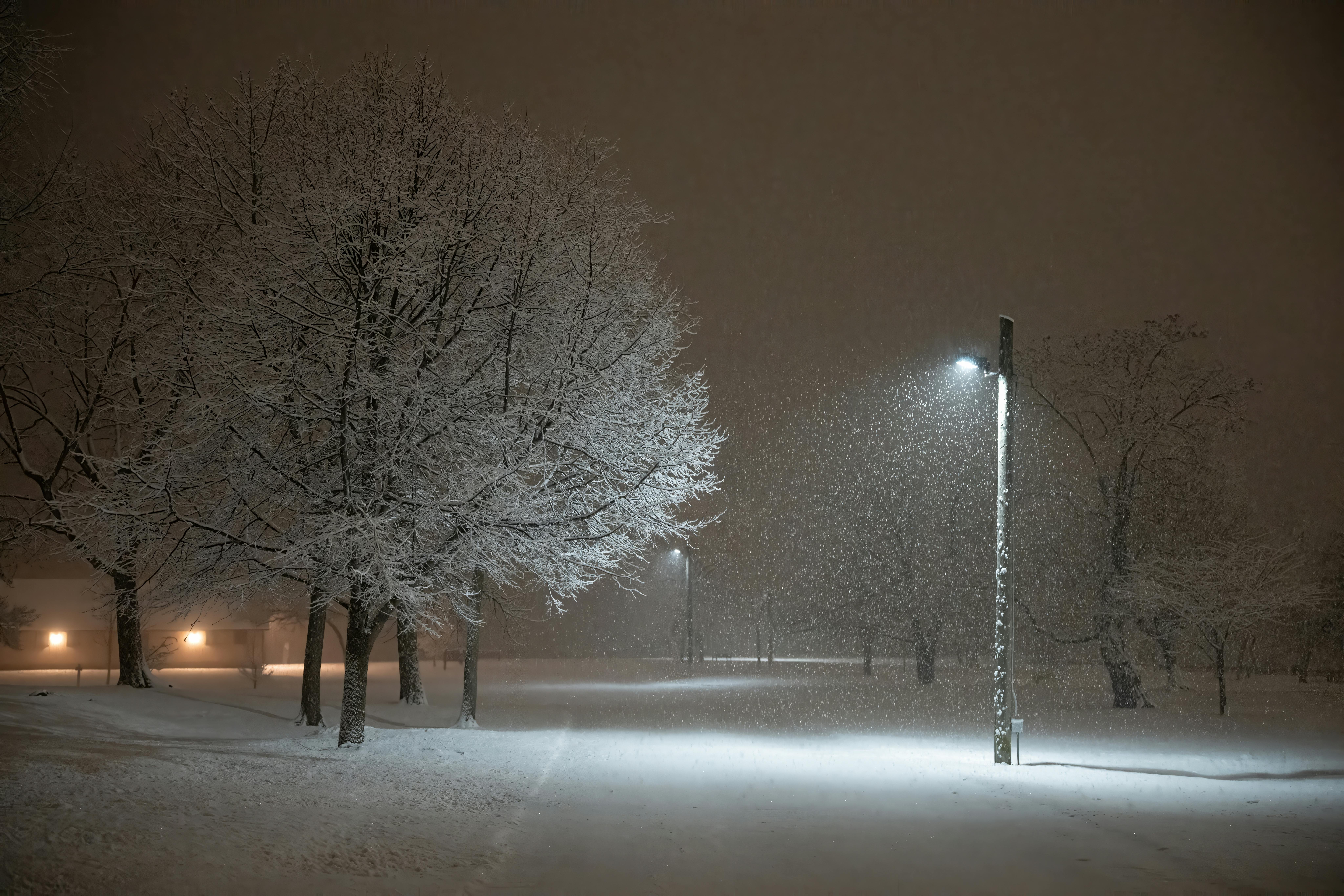
🎯 Finding Your Personal Light Balance
The battle between artificial and natural light ultimately resolves not through choosing one over the other, but through intelligent integration respecting our biological heritage while embracing technological capability. Individual circumstances vary tremendously—geographic location, work requirements, health conditions, and personal preferences all influence optimal strategies.
Begin by tracking your current light exposure patterns and associated energy, mood, and sleep quality. Experiment systematically with morning light routines, workspace adjustments, and evening protocols, giving each intervention sufficient time (typically 2-3 weeks) to assess effects. Consider consulting with lighting designers, occupational health specialists, or sleep medicine professionals for complex situations or persistent difficulties.
The evidence overwhelmingly supports prioritizing natural light whenever possible while using artificial sources strategically to extend, enhance, and optimize our light environment when sunshine proves insufficient. This balanced approach honors millions of years of evolutionary adaptation while harnessing modern technology’s tremendous potential to support human flourishing in our increasingly indoor existence. Our ancestors lived entirely by natural rhythms—we possess both the knowledge and tools to reclaim many of those benefits while enjoying contemporary conveniences, creating light environments that truly illuminate the path to better health, sharper minds, and richer lives.