Repotting your plants at the right time can mean the difference between a struggling houseplant and a flourishing, vibrant addition to your home. Understanding seasonal rhythms transforms plant care from guesswork into a strategic practice.

Whether you’re a seasoned gardener or just beginning your plant parent journey, mastering the art of timing your repotting activities ensures your green companions receive exactly what they need when they need it most. The relationship between seasons and plant growth cycles is fundamental to successful container gardening, affecting everything from root development to flowering patterns.
🌱 Understanding the Science Behind Seasonal Repotting
Plants operate on internal biological clocks influenced by environmental factors like temperature, light exposure, and humidity levels. These factors trigger different growth phases throughout the year, making certain seasons more favorable for repotting than others.
During active growth periods, plants allocate energy toward developing new roots, leaves, and stems. This is when they’re most resilient and capable of recovering from the stress that repotting inevitably causes. Conversely, during dormant phases, plants conserve energy and focus on survival rather than expansion, making them vulnerable to transplant shock.
Root systems are particularly sensitive to disturbance. When you repot during optimal times, roots quickly establish themselves in fresh soil, absorbing nutrients efficiently and anchoring the plant securely. Poor timing can result in root rot, stunted growth, or even plant death.
Spring: The Prime Season for Most Repotting Projects 🌸
Spring stands as the golden window for repotting the majority of houseplants and outdoor container plants. As daylight hours increase and temperatures rise, plants naturally emerge from winter dormancy and enter their most vigorous growth phase.
Why Spring Works So Well
The combination of warming soil temperatures and increasing light triggers hormonal changes within plants that promote root development. This biological awakening means your plants are primed to quickly recover from any root disturbance and establish themselves in new containers.
Early to mid-spring, specifically March through May in most temperate regions, offers ideal conditions. Soil temperatures have warmed sufficiently, but the intense heat of summer hasn’t yet arrived. This moderate climate reduces transplant stress considerably.
Best Candidates for Spring Repotting
- Tropical houseplants like pothos, philodendrons, and monsteras
- Flowering plants preparing for summer blooms
- Succulents and cacti beginning their growth season
- Herbs and edible container plants
- Most indoor foliage plants showing signs of being rootbound
Watch for visual cues that spring repotting is needed: roots emerging from drainage holes, water running straight through pots without absorption, or stunted new growth despite proper care.
Summer Repotting: Proceed with Caution ☀️
Summer generally ranks as the least ideal season for repotting, though certain circumstances and plant types make exceptions to this rule. The combination of high temperatures and intense sunlight creates challenging conditions for recently disturbed plants.
The Summer Challenge
Heat stress compounds transplant shock. Plants lose more moisture through transpiration during hot weather, and damaged roots struggle to replace that water efficiently. This double burden can overwhelm even hardy specimens.
If summer repotting becomes necessary due to emergencies like severe rootbound conditions, pest infestations, or broken containers, take extra precautions. Perform the task during cooler morning hours, provide temporary shade for several days post-repotting, and monitor moisture levels closely.
Plants That Tolerate Summer Repotting
- Water-loving plants like ferns and peace lilies (with vigilant watering)
- Actively blooming annuals that need larger containers
- Tropical plants if kept in controlled indoor environments
- Aquatic and semi-aquatic container plants
Always water thoroughly before and after summer repotting, and consider using products containing mycorrhizal fungi to help establish beneficial root relationships quickly.
Autumn: The Secondary Window for Success 🍂
Fall offers a second excellent opportunity for repotting, particularly in regions with mild winters. Early autumn combines moderate temperatures with plants still in active growth mode, though they’re beginning to slow their metabolism in preparation for winter.
Timing Your Fall Repotting
The key to successful autumn repotting is giving plants adequate time to establish roots before true dormancy begins. Aim to complete repotting projects at least 6-8 weeks before your area’s first expected frost date.
September and early October work well in most temperate zones, while subtropical and tropical regions can extend this window into November. This timing allows roots to spread into fresh soil while the plant still has sufficient energy for recovery.
Ideal Autumn Repotting Candidates
Cool-season plants particularly benefit from fall repotting. Pansies, ornamental cabbage, spring bulbs, and cold-hardy perennials establish strong root systems during autumn’s moderate conditions, positioning them for vigorous spring growth.
Evergreen houseplants also adapt well to fall repotting. Species like snake plants, ZZ plants, and rubber trees appreciate the transition before indoor heating systems activate and reduce ambient humidity levels.
Winter: The Rest Period for Most Plants ❄️
Winter represents the dormant season for most plants, making it generally unsuitable for repotting. Metabolic processes slow dramatically, and root growth essentially pauses, leaving plants unable to recover efficiently from disturbance.
Exceptions to the Winter Rule
Despite general dormancy, certain situations and plant types permit winter repotting. Holiday gift plants like poinsettias, Christmas cacti, and amaryllis may need immediate attention if they arrive in inadequate containers.
Houseplants in consistently warm, well-lit indoor environments don’t experience true dormancy and can tolerate gentle repotting if absolutely necessary. However, even these plants benefit from waiting until spring when natural light increases.
Emergency Winter Repotting Protocol
If winter repotting becomes unavoidable, minimize root disturbance. Rather than full repotting, consider top-dressing by removing the top few inches of soil and replacing it with fresh potting mix. This provides nutrient renewal without traumatizing root systems.
When complete repotting is essential, maintain consistent temperatures above 60°F (15°C), provide supplemental lighting if natural light is limited, and avoid fertilizing until spring arrives.
📅 Creating Your Personalized Repotting Calendar
Developing a customized repotting schedule based on your specific plants, climate, and growing conditions maximizes success rates and simplifies long-term plant care management.
| Plant Category | Best Repotting Season | Frequency | Signs to Watch For |
|---|---|---|---|
| Fast-Growing Tropicals | Spring | Annually | Roots through drainage, rapid drying |
| Slow-Growing Succulents | Spring/Early Summer | Every 2-3 years | Overcrowding, poor drainage |
| Flowering Perennials | Early Spring or Fall | Every 2-3 years | Reduced blooms, center die-back |
| Orchids | After blooming | Every 2 years | Decomposed media, aerial roots |
| Herbs | Spring | Annually | Leggy growth, yellowing leaves |
Document your repotting activities in a gardening journal or smartphone app, noting dates, soil types used, and plant responses. This creates valuable reference data for optimizing future timing decisions.
Regional Variations: Adapting Timing to Your Climate Zone 🌍
Geographic location significantly influences optimal repotting windows. What works in temperate Seattle differs substantially from tropical Miami or arid Phoenix.
Temperate Climate Zones
Gardeners in zones with distinct four-season patterns should follow traditional spring and fall repotting windows. Late March through May and September through early October offer the most stable conditions for successful transplanting.
Subtropical and Tropical Regions
Year-round growing seasons in frost-free areas extend flexibility considerably. Focus on avoiding the hottest months (typically July and August) and the peak of dry seasons. Mild winters allow repotting during December through February when temperatures remain moderate.
Arid and Desert Climates
Desert gardeners should prioritize spring and fall repotting, avoiding summer’s extreme heat and focusing on periods with more moderate temperatures. Early spring (February-March) and late fall (October-November) work exceptionally well in these regions.
Reading Your Plant’s Individual Signals 🔍
Beyond seasonal guidelines, successful repotting requires attentiveness to each plant’s unique communication. Plants signal their readiness through various physical indicators.
Positive Repotting Indicators
Active new growth signals that plants are in their energetic phase and can handle repotting stress. Look for emerging leaves, elongating stems, or developing flower buds as green lights for transplanting.
Visible root systems circling pot edges or emerging from drainage holes indicate the plant has maximized its current container and needs more space. This is especially critical for fast-growing species.
Warning Signs to Wait
Recently purchased plants often need time to acclimate to your home environment before facing additional stress. Wait at least 2-4 weeks after bringing home new plants unless they’re severely rootbound.
Plants showing stress symptoms like yellowing leaves, wilting, or pest damage need recovery time before repotting. Address the underlying issue first, then repot once the plant stabilizes.
Specialized Timing for Specific Plant Categories 🌿
Flowering Plants and Bloom Cycles
Never repot flowering plants while they’re actively blooming. The stress diverts energy from flower production and often causes premature bud drop. Wait until the bloom cycle completes, then repot during the plant’s vegetative growth phase.
Spring-blooming plants like azaleas and camellias benefit from post-bloom repotting in late spring or early summer. Fall bloomers like chrysanthemums should be repotted in spring, giving them the entire growing season to establish before flowering.
Cacti and Succulents
These water-storing plants follow slightly different rules. Repot during their active growth period, which for most species occurs in spring and early summer. The warm, dry conditions help cut roots heal quickly and prevent rot.
Allow succulents and cacti to dry completely before repotting, and wait 7-10 days after repotting before watering. This healing period is crucial for preventing fungal infections in damaged roots.
Orchids and Epiphytes
Orchids require repotting when their growing medium decomposes rather than on a seasonal schedule. Most orchids prefer repotting immediately after their bloom cycle ends, when new root growth begins emerging from the base.
For phalaenopsis orchids, this typically occurs in late spring. Cattleyas and dendrobiums often signal readiness in early summer. Watch for fresh green root tips as your cue to proceed.
Preparing for Success: Pre-Repotting Checklist ✅
Proper preparation ensures smooth repotting experiences and minimizes plant stress regardless of season.
- Water plants thoroughly 24 hours before repotting to reduce root trauma
- Gather clean pots with adequate drainage holes
- Select appropriate potting mix for your specific plant type
- Sterilize tools and containers to prevent disease transmission
- Choose a workspace with good lighting and easy cleanup
- Prepare post-repotting care area away from direct sunlight
Having everything organized before you begin prevents delays that leave exposed roots vulnerable and reduces overall handling time.
Post-Repotting Care Across the Seasons 🌟
Aftercare requirements vary seasonally and significantly impact transplant success rates.
Spring Post-Repotting Protocol
Spring-repotted plants benefit from gradually increasing light exposure over 7-10 days. Begin fertilizing at half-strength once new growth appears, typically 3-4 weeks post-repotting.
Summer Considerations
Provide shade during the hottest part of the day for the first week. Monitor moisture levels twice daily, as heat stress increases water needs substantially. Avoid fertilizing until temperatures moderate.
Fall Adjustment Period
Fall-repotted plants need consistent moisture as they establish roots before dormancy. Reduce watering frequency gradually as temperatures drop and day length decreases.
Winter Recovery
Winter-repotted plants require stable temperatures and protection from cold drafts. Maintain minimal watering and avoid fertilizing until spring growth resumes.
Common Timing Mistakes and How to Avoid Them ⚠️
Even experienced gardeners occasionally misjudge repotting timing. Learning from common errors prevents unnecessary plant losses.
Rushing to repot immediately after purchase often backfires. Plants need acclimation time to adjust to your home’s specific light, temperature, and humidity conditions before handling additional stress.
Repotting during flowering wastes the plant’s energy investment in blooms and frequently causes bud drop. Patience pays dividends—waiting until after blooming preserves the display you purchased the plant for.
Ignoring regional climate differences leads to poor timing decisions. A spring repotting guideline designed for temperate climates may translate to winter or early fall in tropical regions. Always adjust general advice to your specific location.
Advanced Timing Strategies for Serious Plant Enthusiasts 🎓
Experienced plant parents can refine timing further by tracking environmental data and plant responses over multiple seasons.
Moon phase gardening, while controversial, has passionate advocates who repot during waxing moons when water moves upward through plants. Whether scientifically valid or not, creating rituals around plant care increases mindfulness and attention to detail.
Tracking degree days—accumulated temperature above a base threshold—provides more precise timing than calendar dates alone. This method accounts for yearly weather variations that shift optimal repotting windows by weeks.
Maintaining detailed records of repotting dates correlated with subsequent growth rates, flowering success, and overall plant health reveals patterns specific to your conditions and care style.
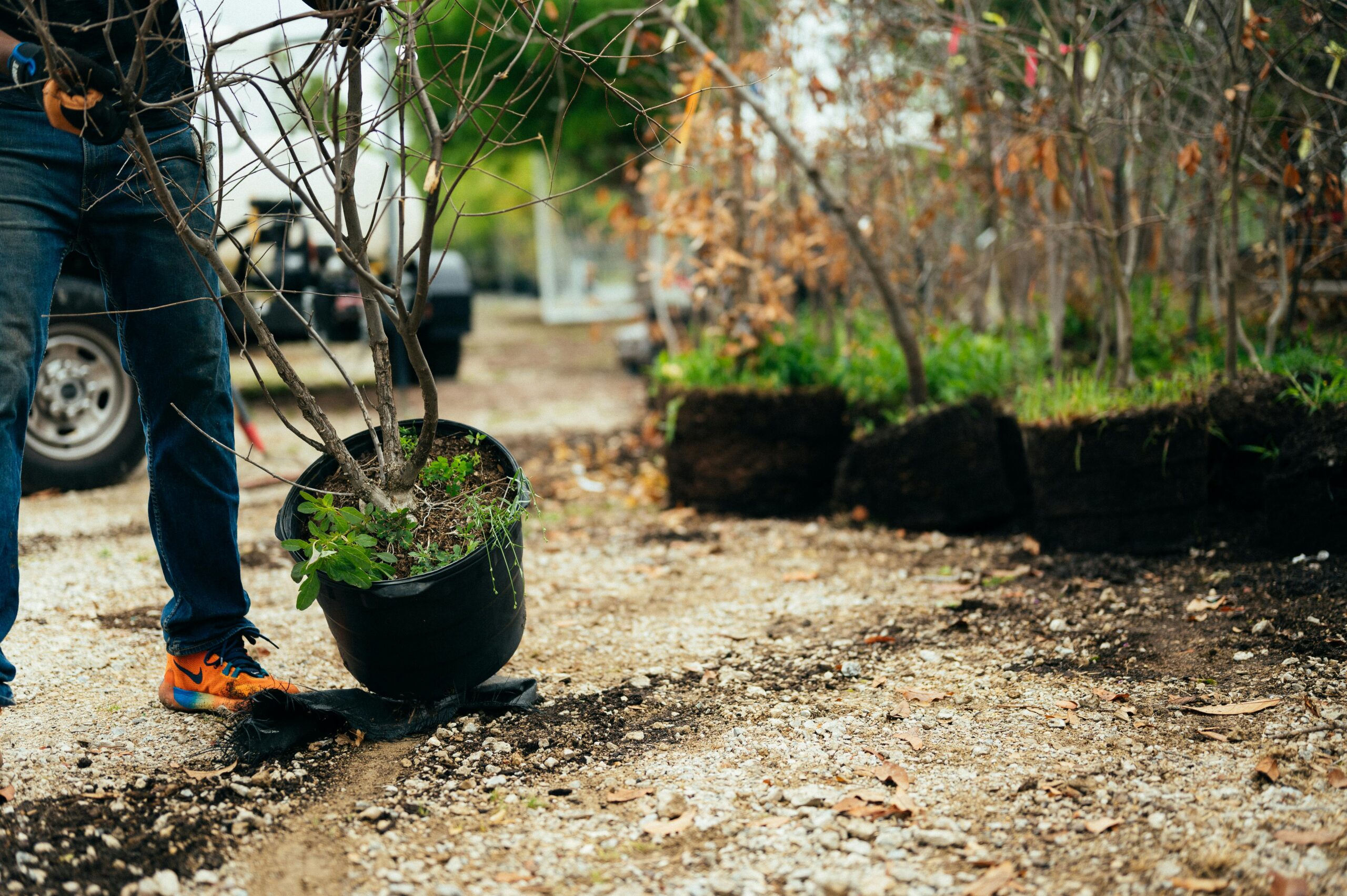
Bringing It All Together: Your Year-Round Repotting Strategy 🗓️
Mastering seasonal repotting timing transforms plant care from reactive crisis management into proactive cultivation. By aligning your repotting schedule with natural growth cycles, you work with your plants’ biological rhythms rather than against them.
Remember that guidelines provide frameworks, not rigid rules. Your specific climate, indoor conditions, and individual plant needs may require adjustments to standard seasonal recommendations. Observation and responsiveness matter more than perfect adherence to calendars.
Start each growing season by assessing your collection, identifying candidates for repotting, and creating a prioritized schedule. This organized approach prevents last-minute scrambles and ensures each plant receives attention at its optimal time.
With practice, seasonal repotting becomes intuitive. You’ll develop a sense for when plants are ready, recognize subtle signals that indicate perfect timing, and build confidence in your ability to support thriving plants throughout the year. The investment in learning proper timing pays continuous dividends in healthier, more vigorous plants that bring lasting beauty to your space.