The dormancy period is nature’s way of hitting the pause button, allowing living organisms to conserve energy and prepare for robust growth. Whether you’re caring for plants, managing seasonal business cycles, or nurturing personal wellness, understanding dormancy care transforms waiting periods into powerful preparation phases.

This comprehensive guide explores the essential strategies for mastering dormancy period care across various contexts. By implementing these proven techniques, you’ll ensure that whatever enters dormancy emerges stronger, healthier, and ready to thrive when conditions become favorable again.
🌱 Understanding the Science Behind Dormancy
Dormancy represents a strategic survival mechanism that has evolved over millions of years. This physiological state allows organisms to withstand unfavorable environmental conditions by significantly reducing metabolic activity and growth processes. The wisdom embedded in dormancy periods teaches us patience and the value of strategic rest.
In botanical terms, dormancy protects plants from freezing temperatures, drought, or extreme heat. For animals, it’s hibernation or estivation. In business and personal development, dormancy periods represent times of apparent inactivity that actually serve as crucial preparation phases for future success.
The key to effective dormancy care lies in recognizing that “doing nothing” is fundamentally different from “doing the right things quietly.” During dormancy, critical processes continue beneath the surface—root strengthening, energy storage, cellular repair, and strategic resource allocation all happen when growth appears to have stopped.
Essential Plant Dormancy Care Strategies 🪴
Plant dormancy care requires a delicate balance between providing minimal support and avoiding over-intervention. Most temperate plants enter dormancy during winter months, though some tropical species experience dormancy during dry seasons.
Temperature Management for Optimal Rest
Maintaining appropriate temperatures during dormancy prevents premature awakening and ensures proper rest cycles. Most dormant plants require temperatures between 35°F and 45°F (2°C to 7°C). Too warm, and they’ll break dormancy prematurely, depleting energy reserves before favorable conditions return. Too cold, and cellular damage may occur.
For indoor plants entering dormancy, position them away from heating vents and radiators. Basements, unheated garages, or cool spare rooms often provide ideal conditions. Monitor temperatures regularly with a simple thermometer to ensure consistency throughout the dormancy period.
Watering Wisdom During Dormancy
One of the most common mistakes in dormancy care involves overwatering. Dormant plants require significantly less water—sometimes as little as 10-20% of their active growing season needs. The root system continues minimal activity but cannot process large amounts of water, leading to rot if overwatered.
Check soil moisture before watering by inserting your finger two inches deep. Water only when the soil feels completely dry at this depth. For most dormant plants, this means watering once every 3-6 weeks, depending on ambient humidity and temperature conditions.
Light Requirements During Rest Periods
While dormant plants aren’t actively photosynthesizing, they still benefit from some ambient light exposure. Position dormant plants in areas with indirect natural light rather than complete darkness. This helps maintain their circadian rhythms and prevents complete system shutdown.
Avoid placing dormant plants under grow lights or in bright south-facing windows, as this may trick them into thinking spring has arrived, causing premature bud break and growth that weakens the plant overall.
Nutrition and Feeding During Dormancy Periods 🍃
The golden rule for dormancy feeding is simple: stop fertilizing completely. Dormant organisms cannot process nutrients effectively, and providing fertilizer during rest periods causes salt buildup in soil, root burn, and forces unwanted growth that depletes energy reserves.
Resume fertilization only when clear signs of new growth appear—typically swelling buds, emerging shoots, or new leaf development. Start with half-strength fertilizer applications and gradually increase to full strength as growth accelerates.
For perennial plants, apply a final feeding approximately 6-8 weeks before expected dormancy begins. This allows the plant to store nutrients in roots and crown tissues, providing energy reserves for the dormancy period and early spring growth.
Pest and Disease Management While Resting 🐛
Dormancy periods don’t grant immunity from pests and diseases. In fact, weakened metabolic states can make organisms more vulnerable to certain problems. Regular monitoring becomes essential even when active care decreases.
Inspect dormant plants monthly for signs of fungal growth, pest infestations, or rot. Common dormancy pests include spider mites, scale insects, and fungus gnats that thrive in cool, moist conditions. Address problems immediately upon detection using appropriate organic or chemical controls.
Ensure adequate air circulation around dormant plants to prevent fungal diseases. Prune away any dead or diseased material before dormancy begins, as these provide entry points for pathogens during the vulnerable rest period.
Creating Ideal Dormancy Environments 🏡
Environmental factors dramatically impact dormancy success. Whether you’re managing plant dormancy, personal wellness breaks, or business off-seasons, the surrounding conditions determine how effectively the dormancy period serves its purpose.
Humidity Considerations
Most dormant plants prefer humidity levels between 40-50%. Higher humidity combined with cool temperatures creates ideal conditions for fungal diseases, while extremely low humidity can cause desiccation even in dormant tissues.
Use humidity trays, room humidifiers, or grouping plants together to maintain appropriate moisture levels. In particularly dry climates, occasional misting of dormant bulbs and tubers prevents complete dehydration without stimulating growth.
Ventilation and Air Movement
Stagnant air breeds problems during dormancy. Ensure storage areas have adequate ventilation without creating drafts that could cause temperature fluctuations. Opening doors periodically or using small fans on low settings maintains air movement without disturbing dormant organisms.
Timing Your Dormancy Care Interventions ⏰
Understanding natural dormancy cycles helps you time interventions appropriately. Forcing organisms out of dormancy prematurely causes stress and reduces vigor, while extending dormancy beyond natural periods can lead to deterioration.
| Plant Type | Typical Dormancy Period | Key Care Actions |
|---|---|---|
| Deciduous Trees | November – March | Minimal watering, no fertilizer, prune in late dormancy |
| Spring Bulbs | July – September | Store cool and dry, check monthly for rot |
| Tropical Houseplants | November – February | Reduce watering by 50%, maintain warmth, indirect light |
| Roses | December – February | Protect roots with mulch, prune in late winter, no feeding |
Monitoring for Emergence Signs 👀
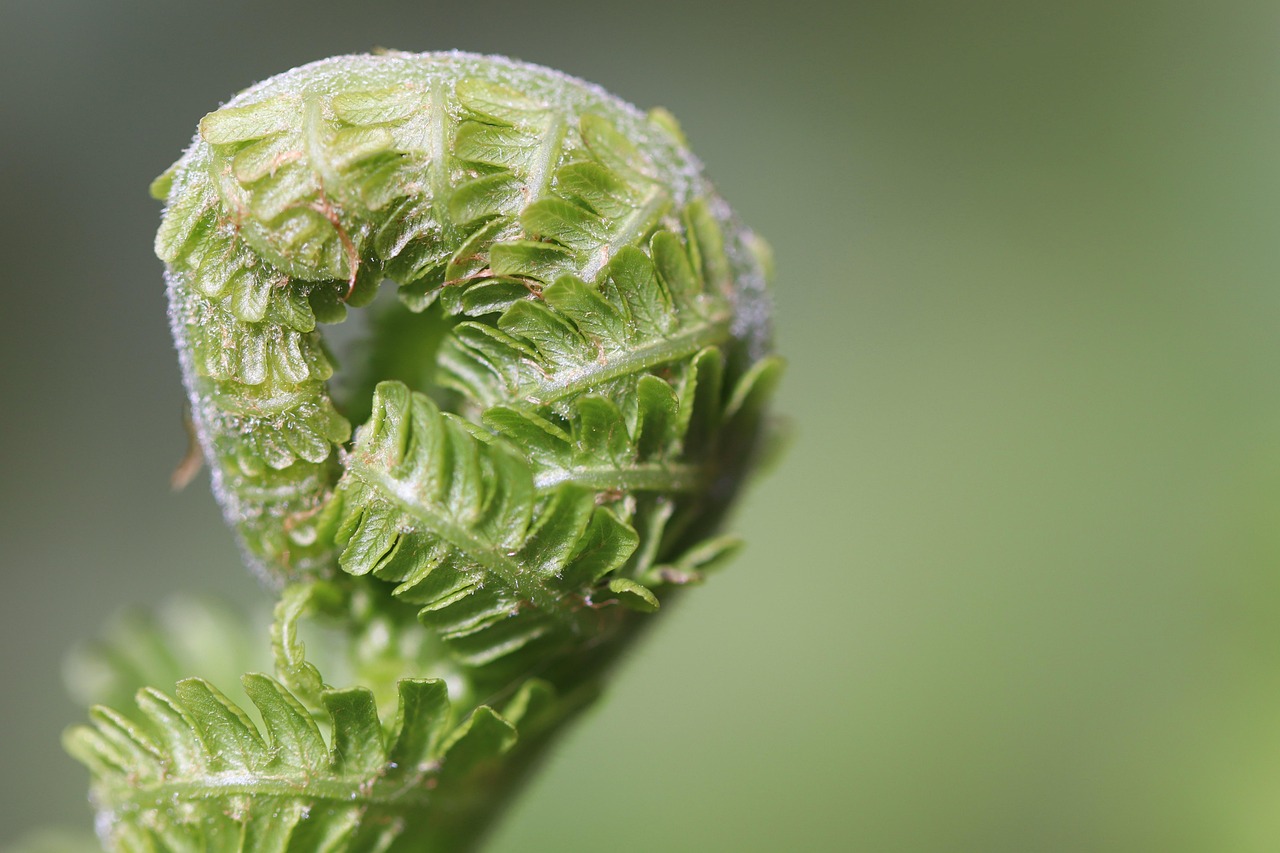
As dormancy periods near their end, vigilant monitoring helps you identify when to transition care routines. Early signs of emergence include slight swelling of buds, color changes in bark or stems, and subtle increases in water uptake from soil.
Document emergence patterns year over year to predict optimal timing for care transitions. Climate variations mean dormancy periods don’t follow exact calendar dates—let the organism guide you rather than arbitrary schedules.
When first signs of growth appear, gradually increase water frequency and intensity of light exposure. Sudden dramatic changes shock systems still transitioning from dormancy, so implement changes incrementally over 2-3 weeks.
Applying Dormancy Principles Beyond Plants 🧘
The principles governing successful dormancy care extend far beyond horticulture. Personal wellness, business cycles, creative processes, and skill development all benefit from understanding and respecting natural rest periods.
Personal Wellness Dormancy Periods
Human beings require dormancy periods—though we typically call them rest, recovery, or sabbaticals. High-performance athletes understand periodization training that includes strategic rest phases. Knowledge workers benefit from regular unplugged periods that allow cognitive recovery and creative renewal.
During personal dormancy periods, maintain basic self-care routines (analogous to minimal watering) while reducing productivity demands. Allow ideas to incubate without forcing output. Upon emergence from rest periods, gradually resume full activity rather than immediately returning to maximum intensity.
Business and Project Dormancy Management
Seasonal businesses naturally experience dormancy periods during off-seasons. Smart operators use these times for equipment maintenance, staff training, strategic planning, and system improvements—parallel to how plants strengthen root systems during dormancy.
Project-based work also includes dormancy phases between major initiatives. Resist the urge to immediately launch into the next project. Instead, conduct thorough debriefs, document lessons learned, update processes, and allow team members recovery time before the next growth cycle begins.
Common Dormancy Care Mistakes to Avoid ⚠️
Even experienced caretakers make dormancy mistakes that compromise the revitalization process. Awareness of these common pitfalls helps you navigate dormancy periods more successfully.
- Over-watering dormant plants: The number one cause of dormancy failure, leading to root rot and fungal diseases that kill organisms during their most vulnerable period.
- Fertilizing during rest periods: Forces unwanted growth that depletes energy reserves and weakens overall health, making successful emergence unlikely.
- Storing in excessively warm locations: Breaks dormancy prematurely before environmental conditions support sustained growth, resulting in weak, spindly development.
- Complete neglect: While dormancy requires less care, total abandonment allows pest infestations, diseases, and desiccation to take hold unnoticed.
- Forcing early emergence: Impatience that disrupts natural cycles, producing weak growth that struggles throughout the following active season.
- Insufficient preparation before dormancy: Failing to properly harden off plants or prepare systems before dormancy begins compromises survival during rest periods.
Preparing for a Powerful Comeback 💪
The ultimate goal of dormancy care isn’t merely survival—it’s positioning for a thriving comeback. Organisms that receive proper dormancy care emerge stronger, more resilient, and capable of superior performance compared to those forced to remain active year-round.
Begin preparation for emergence approximately 4-6 weeks before expected dormancy end. Check stored bulbs, tubers, and roots for any issues requiring attention. Test soil moisture levels and adjust watering slightly if completely desiccated. Ensure storage areas maintain stable conditions through late dormancy when temperature fluctuations often occur.
Create a transition plan that gradually increases care intensity as emergence begins. Schedule fertilizer applications, prepare growing spaces, and gather necessary supplies before active growth resumes. This preparation ensures you’re ready to support vigorous growth immediately when organisms signal readiness.
Documentation and Continuous Improvement 📝
Maintain detailed records of dormancy periods, care provided, environmental conditions, and emergence timing. This documentation becomes invaluable reference material for improving dormancy care year after year.
Note what worked well and what didn’t. Track timing variations across seasons and how they correlate with weather patterns or other environmental factors. Photograph dormant specimens at regular intervals to capture subtle changes that might otherwise go unnoticed.
Review your documentation annually before dormancy periods begin. Implement lessons learned from previous cycles to refine your approach. This continuous improvement mindset transforms dormancy care from guesswork into a systematic practice that consistently produces excellent results.
Embracing the Rhythm of Rest and Growth 🌸
Mastering dormancy period care requires patience, observation, and trust in natural processes. Fighting against dormancy or trying to maintain constant growth leads to exhaustion, reduced resilience, and eventual decline. Embracing the wisdom of rest periods positions you—and whatever you’re nurturing—for sustained long-term success.
The most productive gardens include fallow periods. The strongest athletes incorporate rest days. The most creative individuals honor incubation time. The most successful businesses build breathing room into their cycles. This isn’t laziness or inefficiency—it’s sophisticated understanding of how living systems actually function optimally.
As you implement these dormancy care strategies, remember that apparent inactivity often masks profound preparation happening beneath the surface. Your role as caretaker during dormancy isn’t to force activity but to create conditions where natural processes can unfold perfectly, setting the stage for explosive growth when the time is right.
The art of dormancy care ultimately teaches us that strategic rest isn’t the opposite of productivity—it’s the foundation for it. By honoring these natural cycles and providing appropriate care during rest periods, you ensure that every emergence represents a true revitalization, delivering the thriving comeback that proper dormancy makes possible.