Growing your own food is one of the most rewarding experiences, but achieving consistent, bountiful harvests throughout the year requires careful planning and strategic thinking.

Whether you’re a seasoned gardener or just starting your cultivation journey, understanding the rhythms of nature and implementing proven techniques can transform your garden from a seasonal hobby into a year-round source of fresh, nutritious produce. The secret lies not in working harder, but in working smarter—aligning your efforts with natural cycles while leveraging modern knowledge and tools to maximize productivity across all seasons.
🌱 Understanding Your Growing Zone and Microclimates
Before you can master year-round harvests, you need to understand the unique conditions of your growing environment. Your USDA hardiness zone provides a foundation for understanding which plants will thrive in your area, but the story doesn’t end there.
Microclimates within your property can create opportunities to extend your growing season and cultivate plants that wouldn’t typically survive in your broader zone. South-facing walls retain heat and create warmer pockets, while shaded areas under trees might offer cooler refuges for heat-sensitive crops during summer months.
Take time to observe your land throughout different seasons. Notice where frost settles first in autumn and lingers longest in spring. Identify windy corridors and sheltered spots. These observations will prove invaluable when planning crop placement and succession planting strategies.
Creating Your Year-Round Planting Calendar 📅
A comprehensive planting calendar is your roadmap to continuous harvests. This isn’t a rigid schedule but rather a flexible framework that adapts to weather patterns and your specific goals.
Spring Planning Strategies
Spring is the season of abundance for most gardeners, but strategic planning ensures you’re not overwhelmed with produce all at once. Succession planting—sowing small amounts of crops every two to three weeks—prevents feast-or-famine cycles and provides steady harvests.
Focus on cool-season crops like lettuce, spinach, peas, and brassicas in early spring. As soil temperatures rise, transition to warm-season favorites including tomatoes, peppers, cucumbers, and squash. Record planting dates and harvest times in a garden journal to refine your timing each year.
Summer Abundance Management
Summer often brings overwhelming productivity, especially with prolific crops like zucchini, tomatoes, and beans. Plan for preservation methods before planting—freezing, canning, dehydrating, or fermenting excess harvests extends their value far beyond the growing season.
Mid-summer is also the critical time to start seeds for fall crops. Many gardeners miss this window and sacrifice potential autumn harvests. Broccoli, cabbage, kale, and Brussels sprouts need to be started in July for fall maturity in most climates.
Autumn Opportunities
Fall gardens often outperform spring plantings with fewer pest pressures and more stable weather patterns. Cool-season crops develop sweeter flavors after light frosts, making autumn harvests particularly delicious.
Direct sow quick-maturing greens, radishes, and turnips in late summer for autumn harvests. Plant garlic and shallots in fall for next summer’s harvest, completing the yearly cycle.
Winter Growing Possibilities
Winter doesn’t mean your garden must lie dormant. Cold frames, hoop houses, and unheated greenhouses extend the season dramatically, even in harsh climates. Hardy crops like kale, collards, mache, and spinach can withstand surprising cold when properly protected.
In milder climates, winter becomes a prime growing season with perfect conditions for lettuce, Asian greens, root vegetables, and brassicas that would bolt quickly in summer heat.
🌿 Soil Health: The Foundation of Continuous Production
Year-round gardening places continuous demands on your soil. Without attention to soil health, productivity inevitably declines. Building and maintaining fertile, living soil is the single most important factor in achieving bountiful yields season after season.
Organic matter is the key. Compost, well-rotted manure, leaf mold, and cover crops feed soil organisms that in turn make nutrients available to your plants. Aim to add at least two to three inches of compost to garden beds annually, working it into the top few inches of soil.
Cover cropping during fallow periods prevents erosion, suppresses weeds, and adds organic matter when turned under. Winter rye, crimson clover, and field peas are excellent choices depending on your climate and timing.
Crop Rotation Principles
Rotating plant families through different garden beds prevents soil-borne disease buildup and balances nutrient demands. Heavy feeders like tomatoes and corn should be followed by soil-building legumes, then light feeders like root vegetables.
A simple four-bed rotation system divides crops into groups: fruits (tomatoes, peppers, eggplants), leaves (lettuce, kale, spinach), roots (carrots, beets, onions), and legumes (beans, peas). Each group moves to the next bed annually, returning to the original location after four years.
Water Management Throughout the Seasons 💧
Consistent moisture is critical for uninterrupted plant growth and quality harvests. Water requirements fluctuate dramatically between seasons, and understanding these patterns prevents both water stress and overwatering problems.
Drip irrigation systems provide the most efficient water delivery, placing moisture directly at root zones while keeping foliage dry to reduce disease pressure. Mulching around plants conserves moisture, moderates soil temperature, and suppresses competing weeds.
Monitor soil moisture rather than following rigid watering schedules. The finger test—inserting your finger two inches into the soil—remains one of the most reliable methods. If soil feels dry at that depth, it’s time to water.
Strategic Variety Selection for Extended Harvests 🍅
Choosing the right varieties dramatically impacts your success with year-round gardening. Modern plant breeding has created cultivars specifically designed for different seasons and climates.
For tomatoes, select a mix of early, mid-season, and late varieties to spread harvests across many weeks. Include determinate types for concentrated yields ideal for preserving, and indeterminate varieties for continuous picking throughout the season.
Bolt-resistant lettuce varieties tolerate heat better than traditional types, extending spring harvests into early summer. Cold-hardy greens like ‘Winterbor’ kale and ‘Tyee’ spinach continue producing through freezing temperatures.
Research varieties proven to perform well in your specific climate. Regional seed companies often carry selections particularly adapted to local conditions.
Pest and Disease Management Across Seasons 🐛
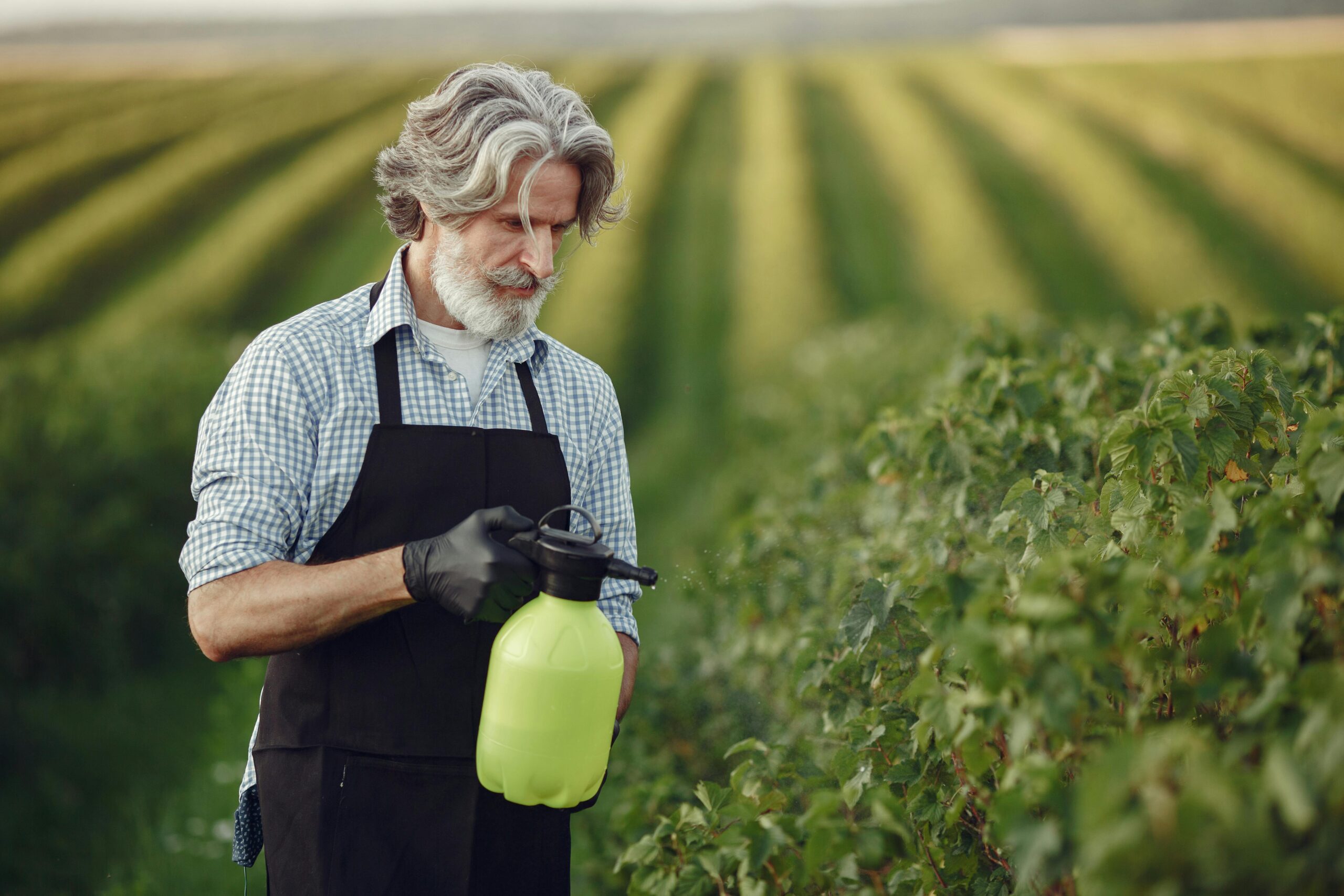
Different pests and diseases emerge throughout the year, requiring adaptive management strategies. Prevention through healthy soil, proper spacing, and crop rotation forms your first defense line.
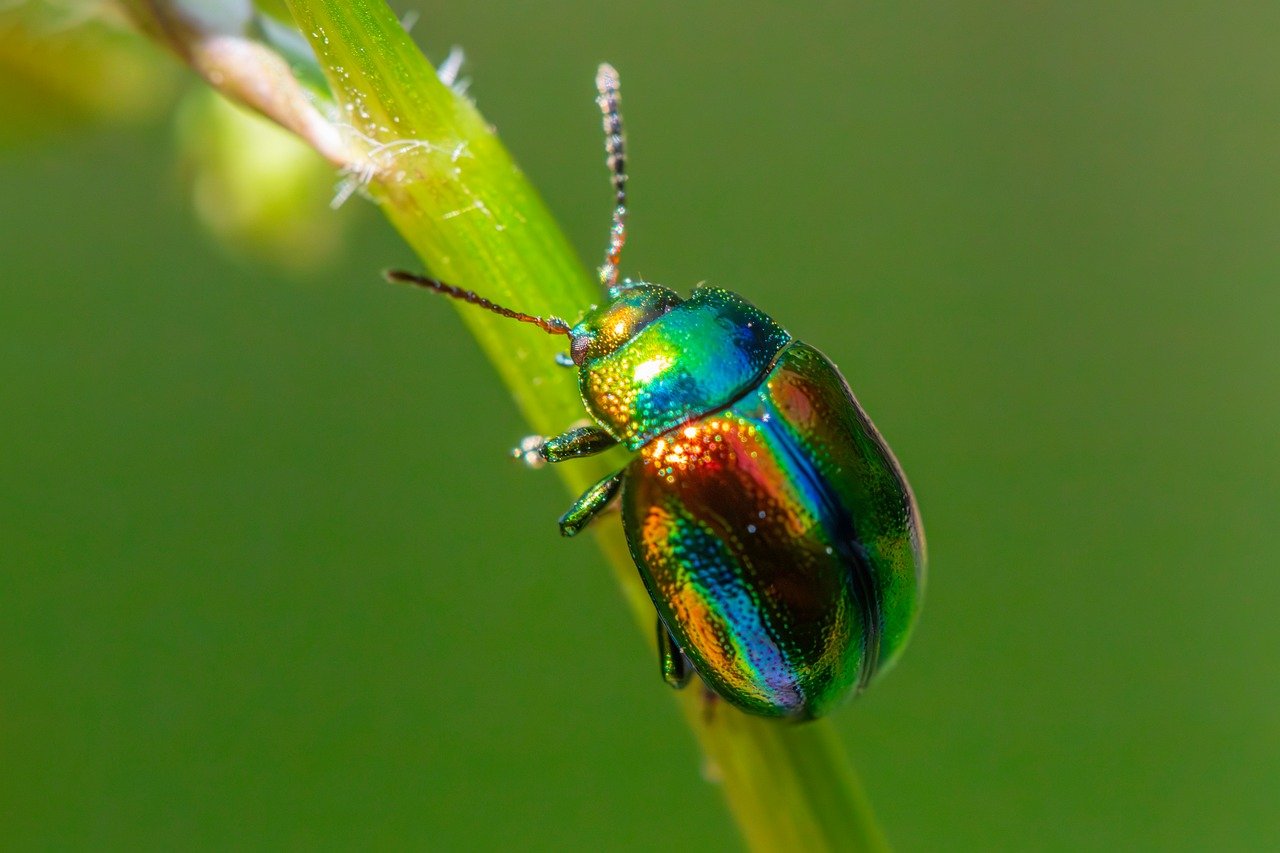
Early season pests like aphids and flea beetles can be managed with row covers that exclude insects while allowing light and water through. Summer brings challenges like tomato hornworms and squash vine borers that require vigilant hand-picking and targeted organic controls.
Fall gardening often experiences reduced pest pressure as insect populations decline. However, this is prime time for fungal diseases in humid climates. Adequate spacing for air circulation and avoiding overhead watering prevents many problems.
Beneficial Insects and Companion Planting
Cultivating beneficial insect populations provides natural pest control without chemicals. Plant flowers that attract predatory and parasitic insects: sweet alyssum, yarrow, dill, and fennel create habitat for helpful species.
Companion planting combines crops that support each other. Basil planted near tomatoes may deter certain pests while improving flavor. Tall crops like corn provide living trellises for climbing beans, which fix nitrogen benefiting the corn.
Season Extension Techniques for Maximum Productivity ❄️
Simple season extension methods dramatically increase your productive growing window. These techniques protect plants from temperature extremes, allowing earlier spring starts and later fall harvests.
Row covers made from lightweight fabric protect plants from frost while transmitting light. They can extend seasons by two to four weeks on both ends and protect against pest damage during vulnerable seedling stages.
Cold frames—essentially bottomless boxes with transparent tops—capture solar heat and protect plants from wind and precipitation. They’re perfect for hardening off seedlings, growing salad greens, and overwintering herbs.
Hoop Houses and Greenhouses
Unheated hoop houses or polytunnels provide more substantial protection, enabling year-round growing in many climates. These structures can be surprisingly affordable when built DIY-style with PVC or metal hoops and greenhouse plastic.
Even without supplemental heat, hoop houses create a climate one or two zones warmer than the outside environment. This extends growing seasons by months and allows cultivation of crops that wouldn’t otherwise survive.
Heated greenhouses offer ultimate control but require significant energy input. For most gardeners, the investment in heating doesn’t justify returns unless commercial production or tropical crops are goals.
🌾 Succession Planting for Continuous Harvests
Succession planting is perhaps the single most important technique for achieving truly continuous harvests. Rather than planting all your lettuce, beans, or carrots at once, sow small amounts every few weeks.
For quick-maturing crops like radishes and lettuce, plant every two weeks. Slower crops like carrots and beets benefit from plantings every three to four weeks. This staggers maturity dates and prevents the common problem of too much produce ripening simultaneously.
Keep detailed records of planting dates and quantities. Over seasons, you’ll develop an intuitive understanding of how much to plant and when to ensure your family always has fresh vegetables available.
Preserving and Storing Your Seasonal Bounty 🥫
Even with perfect planning, seasonal peaks and valleys occur. Effective preservation techniques transform surplus into valuable resources for leaner months.
Freezing works beautifully for most vegetables and requires minimal equipment. Blanch vegetables briefly in boiling water, plunge into ice water, drain thoroughly, and freeze in appropriate portions. Frozen produce maintains quality for eight to twelve months.
Canning preserves foods for years when done properly. Water bath canning works for high-acid foods like tomatoes and pickles, while pressure canning is necessary for low-acid vegetables and meats.
Dehydrating concentrates flavors and creates shelf-stable foods requiring minimal storage space. Modern electric dehydrators are affordable and easy to use, though traditional sun-drying still works in hot, dry climates.
Root Cellaring and Fresh Storage
Many crops store fresh for months without processing. Root vegetables, winter squash, onions, and garlic require only cool, dark, humid conditions. Basements, garages, and dedicated root cellars provide these conditions.
Store only perfect specimens—damaged produce spoils quickly and affects neighboring items. Check stored foods regularly and remove any showing signs of deterioration.
Planning Tools and Resources for Garden Success 📱
Modern technology offers powerful tools for garden planning and management. Smartphone apps help track planting dates, provide customized reminders, and store detailed harvest records.
Garden planning software lets you design layouts, plan rotations, and calculate seed quantities. Digital tools can send notifications for optimal planting times based on your location and last frost dates.
Weather tracking apps help you anticipate conditions and protect vulnerable crops from unexpected frosts or storms. Soil temperature apps indicate when soil has warmed sufficiently for planting heat-loving crops.
Building Your Personalized Garden System 🏡
The ultimate goal is developing a garden system uniquely suited to your climate, space, time availability, and family’s food preferences. This doesn’t happen overnight but evolves through seasons of observation, experimentation, and refinement.
Start with a manageable area you can tend consistently. Success with a small, well-maintained garden builds skills and confidence for expansion. Many gardeners overplant initially and become overwhelmed, leading to discouragement.
Focus first on crops your family actually eats and that provide good value for space and effort. Tomatoes, lettuce, herbs, and peppers are popular choices combining high productivity with garden-to-table appeal.
Gradually incorporate more advanced techniques as you gain experience. Begin with simple season extension methods like row covers before investing in permanent structures. Master succession planting with one or two crops before applying it garden-wide.
The Role of Perennial Crops in Year-Round Planning 🌳
Perennial vegetables and fruits provide harvests with minimal annual effort once established. Asparagus, rhubarb, artichokes, and perennial herbs return year after year, requiring only maintenance rather than replanting.
Fruit trees and berry bushes integrate beautifully into edible landscapes, providing substantial harvests from relatively small footprints. Raspberries, blueberries, and strawberries produce for years with proper care.
Perennials require patience—most take two to three years to reach full productivity—but the long-term payoff justifies the wait. Dedicate permanent beds or areas to these crops, planning annual gardens around them.
Adapting to Climate Challenges and Weather Extremes 🌡️
Climate variability increasingly affects gardening success. Building resilience into your system helps maintain productivity despite unexpected weather events.
Diversify plantings across multiple locations if possible. A late frost might damage crops in low-lying areas while sparing plants on slopes where cold air drains away. Stagger plantings both temporally and spatially to reduce total loss risk.
Select climate-appropriate varieties and be willing to experiment with new crops potentially better suited to changing conditions. Heat-tolerant varieties of traditionally cool-season crops extend growing possibilities as summers warm.
Water management infrastructure becomes increasingly important. Rain barrels, swales, and irrigation systems ensure adequate moisture during droughts while preventing waterlogging during wet periods.
Maximizing Your Harvest Through Proper Timing ⏰
Knowing when to harvest each crop at peak quality significantly impacts your garden’s value. Many vegetables taste best when picked young and tender rather than waiting for maximum size.
Lettuce becomes bitter as it matures and begins flowering. Zucchini develops tough skins and seedy interiors when overgrown. Regular harvesting also encourages continued production in many crops—beans, cucumbers, and peas produce more heavily when picked frequently.
Root vegetables generally sweeten after light frosts as plants convert starches to sugars for cold protection. Kale, collards, and Brussels sprouts similarly improve in flavor after cold exposure.
Harvest timing affects storage potential too. Onions and garlic need proper curing before storage, while winter squash requires skin hardening on the vine. Understanding these nuances ensures you capture maximum quality and storage life.
Creating an Abundance Mindset for Gardening Success 🌻
Successful year-round gardening requires shifting from a scarcity mindset to one of abundance. Rather than worrying about potential failures, focus on the incredible productivity possible from even small spaces with proper management.
View challenges as learning opportunities rather than failures. Every gardening season teaches valuable lessons that improve future outcomes. Keep records not just of successes but also of what didn’t work and why, creating a personalized knowledge base.
Connect with other gardeners through local clubs, online communities, or farmers’ markets. Experienced gardeners generously share knowledge, seeds, and encouragement. These connections provide support during challenges and inspiration for new directions.
Celebrate your harvests, both large and small. That first ripe tomato of summer or the salad greens harvested on a snowy February day represent victories worth acknowledging. This positive reinforcement maintains motivation through inevitable setbacks and challenges.
Mastering year-round harvests transforms your relationship with food, connecting you intimately with seasonal rhythms while providing unmatched freshness and nutrition. The journey requires patience, observation, and continuous learning, but the rewards—physical, emotional, and practical—far exceed the efforts invested. Start with one new technique this season, building your skills and systems gradually. Within a few years, you’ll wonder how you ever managed without a garden providing fresh abundance throughout all twelve months.