
Water is life’s most essential element, yet its mismanagement can quickly transform from blessing to curse. Proper drainage systems form the invisible infrastructure that protects our homes, communities, and environment from water-related disasters.

From ancient civilizations to modern metropolises, humanity has recognized that controlling water flow isn’t just about convenience—it’s about survival, health, and sustainability. Understanding drainage principles empowers homeowners, urban planners, and environmental stewards to create resilient spaces that harmonize with nature’s hydrological cycles while protecting human investments and ecosystems.
🌊 The Foundation: Understanding What Drainage Really Means
Drainage encompasses far more than simple water removal. It represents a sophisticated system of channels, pipes, slopes, and natural features designed to manage water movement across landscapes. Whether natural or engineered, effective drainage prevents water accumulation that can cause structural damage, health hazards, and environmental degradation.
Natural drainage follows topographical features like valleys, streams, and permeable soil layers. Human-engineered systems include gutters, downspouts, French drains, stormwater sewers, and retention ponds. Both work together in successful water management strategies, each complementing the other’s strengths.
The science behind drainage involves hydrology, soil mechanics, and fluid dynamics. Water always seeks the path of least resistance, flowing from high to low elevations. Effective drainage systems anticipate this behavior, creating controlled pathways that prevent erosion, flooding, and water intrusion into unwanted areas.
💧 Health Implications: When Water Stands Still
Standing water creates perfect breeding grounds for disease-carrying mosquitoes, including species that transmit malaria, dengue fever, Zika virus, and West Nile virus. A single puddle can produce hundreds of mosquitoes within a week, turning poor drainage into a public health crisis.
Beyond vector-borne diseases, stagnant water promotes mold and mildew growth. These fungi release spores that trigger allergies, asthma attacks, and respiratory infections. Indoor moisture from inadequate drainage can contaminate living spaces with toxic mold species like Stachybotrys chartarum, commonly known as black mold.
Waterborne pathogens thrive where drainage fails. Bacteria like E. coli, Salmonella, and Legionella multiply in stagnant conditions, contaminating water supplies and surfaces. Children playing in poorly drained areas face increased exposure to parasites and infectious organisms that cause gastrointestinal illnesses.
The Mental Health Connection
Living with chronic drainage problems creates psychological stress. Homeowners worry about foundation damage, property value loss, and recurring expenses. The constant dampness, musty odors, and visible water damage contribute to anxiety and diminished quality of life that extends beyond physical health concerns.
🏠 Structural Safety: Protecting Your Investment
Water is one of nature’s most powerful forces, capable of undermining even the sturdiest structures. Poor drainage around building foundations causes hydrostatic pressure—water pushing against basement walls with thousands of pounds of force. This pressure creates cracks, allows seepage, and can ultimately cause wall failure.
Soil saturation from inadequate drainage leads to settlement and shifting. As water fills soil pores, it reduces load-bearing capacity and causes uneven settling. This differential settlement creates cracks in walls, misaligned doors and windows, and compromised structural integrity that requires expensive repairs.
Freeze-thaw cycles amplify drainage problems in cold climates. Water trapped in poor drainage systems freezes, expands, and creates additional pressure. Repeated cycles break apart concrete, asphalt, and masonry, accelerating deterioration that proper drainage would prevent.
The Economic Reality of Drainage Neglect
Foundation repair costs typically range from $4,000 to $15,000, with severe cases exceeding $50,000. Basement waterproofing averages $3,000 to $7,000. Mold remediation runs between $500 and $6,000 depending on extent. These expenses dwarf the proactive investment in proper drainage systems, which often cost a fraction of reactive repairs.
🌱 Environmental Sustainability: Working With Nature
Traditional drainage approaches often fight against natural water cycles, channeling runoff into overwhelmed stormwater systems. Sustainable drainage systems (SuDS) instead mimic natural processes, allowing infiltration, filtration, and gradual release that reduces flooding while recharging aquifers.
Permeable surfaces like porous concrete, permeable pavers, and rain gardens allow water to soak into ground rather than rushing into sewers. This reduces urban runoff volume by up to 90%, decreasing erosion, pollution transport, and combined sewer overflow events that dump raw sewage into waterways.
Bioswales and constructed wetlands provide natural filtration that removes pollutants from stormwater. Vegetation and soil microorganisms break down oils, heavy metals, and organic contaminants before they reach streams, lakes, and oceans. These green infrastructure solutions improve water quality while creating wildlife habitat and aesthetic value.
Climate Resilience Through Smart Drainage
Climate change intensifies rainfall events, creating downpours that traditional drainage infrastructure cannot handle. Adaptive drainage systems incorporate storage capacity, overflow routes, and flexible design that accommodates both drought and deluge. This resilience protects communities from increasingly unpredictable weather patterns.
🔧 Practical Drainage Solutions for Every Scale
Residential drainage begins with proper grading—ensuring ground slopes away from structures at minimum 5% grade for at least 10 feet. This simple measure prevents most water intrusion problems and costs only the effort to regrade soil during landscaping.
Gutter systems collect roof runoff, preventing concentrated water discharge near foundations. Downspouts should extend at least 6 feet from buildings, preferably connecting to underground drains that discharge water to appropriate areas. Regular gutter cleaning prevents overflow that defeats the entire system.
French drains consist of perforated pipes surrounded by gravel, installed below ground to intercept and redirect subsurface water. These versatile systems solve yard flooding, prevent basement seepage, and protect foundations. Proper installation with appropriate slope and outlet points ensures long-term effectiveness.
Urban-Scale Drainage Infrastructure
Cities require comprehensive stormwater management including:
- Storm sewer networks with adequate capacity for design storm events
- Retention and detention basins that temporarily store excess runoff
- Green infrastructure integrating parks, rain gardens, and vegetated swales
- Regular maintenance programs preventing blockages and system failures
- Smart sensors monitoring water levels and triggering alerts before flooding occurs
🌾 Agricultural Drainage: Feeding the World Sustainably
Farmland drainage increases productivity by preventing waterlogging that suffocates crop roots and creates anaerobic soil conditions. Tile drainage systems—networks of perforated pipes installed below fields—lower water tables to optimal levels, extending growing seasons and improving yields.
However, agricultural drainage impacts extend beyond individual farms. Rapid water removal increases nutrient runoff, particularly nitrogen and phosphorus, contributing to downstream water quality problems like algal blooms and hypoxic dead zones. Sustainable agricultural drainage balances productivity with environmental stewardship.
Controlled drainage systems use adjustable outlets that retain water during dry periods and drain excess during wet times. This adaptive approach reduces nutrient loss by up to 50%, maintains soil moisture during drought, and provides environmental benefits without sacrificing crop yields.
🏗️ Designing Effective Drainage: Key Principles
Successful drainage design starts with comprehensive site assessment. Soil type, topography, rainfall patterns, and existing water features all influence drainage requirements. Clay soils with low permeability need different solutions than sandy soils that drain quickly.
Hydraulic calculations determine pipe sizes, slopes, and capacities needed to handle design storm volumes. Engineers typically design for rainfall events with specific return periods—10-year, 25-year, or 100-year storms—depending on risk tolerance and asset value being protected.
Redundancy and overflow provisions prevent catastrophic failures when design capacities are exceeded. Emergency spillways, secondary flow paths, and freeboard allowances ensure that extreme events cause manageable problems rather than disasters.
Material Selection Matters
Drainage system longevity depends on appropriate materials for specific conditions:
| Material | Best Uses | Expected Lifespan |
|---|---|---|
| PVC Pipe | Residential drainage, downspout lines | 50-100 years |
| Corrugated HDPE | Yard drains, French drains | 50-75 years |
| Concrete Pipe | Municipal storm sewers | 75-100 years |
| Clay Tile | Agricultural drainage | 100+ years |
🔍 Maintenance: The Overlooked Critical Component
Even perfectly designed drainage systems fail without proper maintenance. Leaves, sediment, and debris accumulate in channels and pipes, reducing capacity and eventually causing complete blockages. Regular inspection and cleaning prevent small issues from becoming expensive emergencies.
Gutters require cleaning at least twice annually, more often with overhanging trees. Storm drain grates should be cleared after major storms. Underground systems benefit from periodic inspection with cameras that identify root intrusion, pipe damage, and sediment accumulation before problems surface.
Vegetation management around drainage features prevents clogging while maintaining filtration benefits. Mowing swales, trimming plants near inlets, and removing invasive species preserves system function. Seasonal maintenance schedules align activities with weather patterns and plant growth cycles.
💡 Innovation and Technology in Modern Drainage
Smart drainage systems incorporate sensors, automation, and data analytics. Real-time monitoring detects blockages, measures flow rates, and predicts maintenance needs. Automated gates control water release from detention ponds, optimizing storage capacity and downstream flow rates.
Permeable pavement technology continues advancing with materials offering greater strength, longevity, and infiltration rates. New polymer-modified products maintain permeability while supporting heavy vehicle loads, expanding applications beyond light-duty areas.
Green roof systems manage rainfall at its source, absorbing and slowly releasing water while providing insulation, reducing urban heat island effects, and creating habitat. Advanced growing media and drought-tolerant plant selections improve performance across diverse climates.
🌍 Global Perspectives on Drainage Challenges
Developing nations face unique drainage challenges where rapid urbanization outpaces infrastructure development. Informal settlements lack basic drainage, creating health crises during rainy seasons. International development efforts increasingly prioritize drainage infrastructure as foundational to community health and resilience.
Coastal communities worldwide confront rising sea levels that impair gravity-based drainage systems. Traditional outlets become submerged during high tides, requiring pumped systems and tide gates. Climate adaptation strategies must address drainage infrastructure vulnerable to oceanic changes.
Arid regions experience intense but infrequent rainfall that overwhelms minimal drainage infrastructure designed for typical dry conditions. Flash flooding causes disproportionate damage where systems cannot handle occasional extreme events. Risk-based design approaches balance cost against infrequent but severe consequences.
🎯 Taking Action: Steps Toward Better Drainage
Individual property owners can improve drainage through simple actions. Walk your property during rain to observe water flow patterns. Identify pooling areas, erosion channels, and places where water approaches structures. These observations inform targeted improvements with maximum impact.
Communities benefit from collective drainage planning that recognizes watershed-scale connections. Neighborhood efforts to add rain gardens, preserve natural areas, and coordinate improvements magnify individual actions. Municipal support through incentives, technical assistance, and regulatory frameworks encourages private drainage investments that provide public benefits.
Professional consultation pays dividends for complex drainage problems. Civil engineers, landscape architects, and drainage contractors provide expertise that prevents costly mistakes. Spending hundreds on professional assessment can save thousands in misguided DIY attempts or reactive repairs.
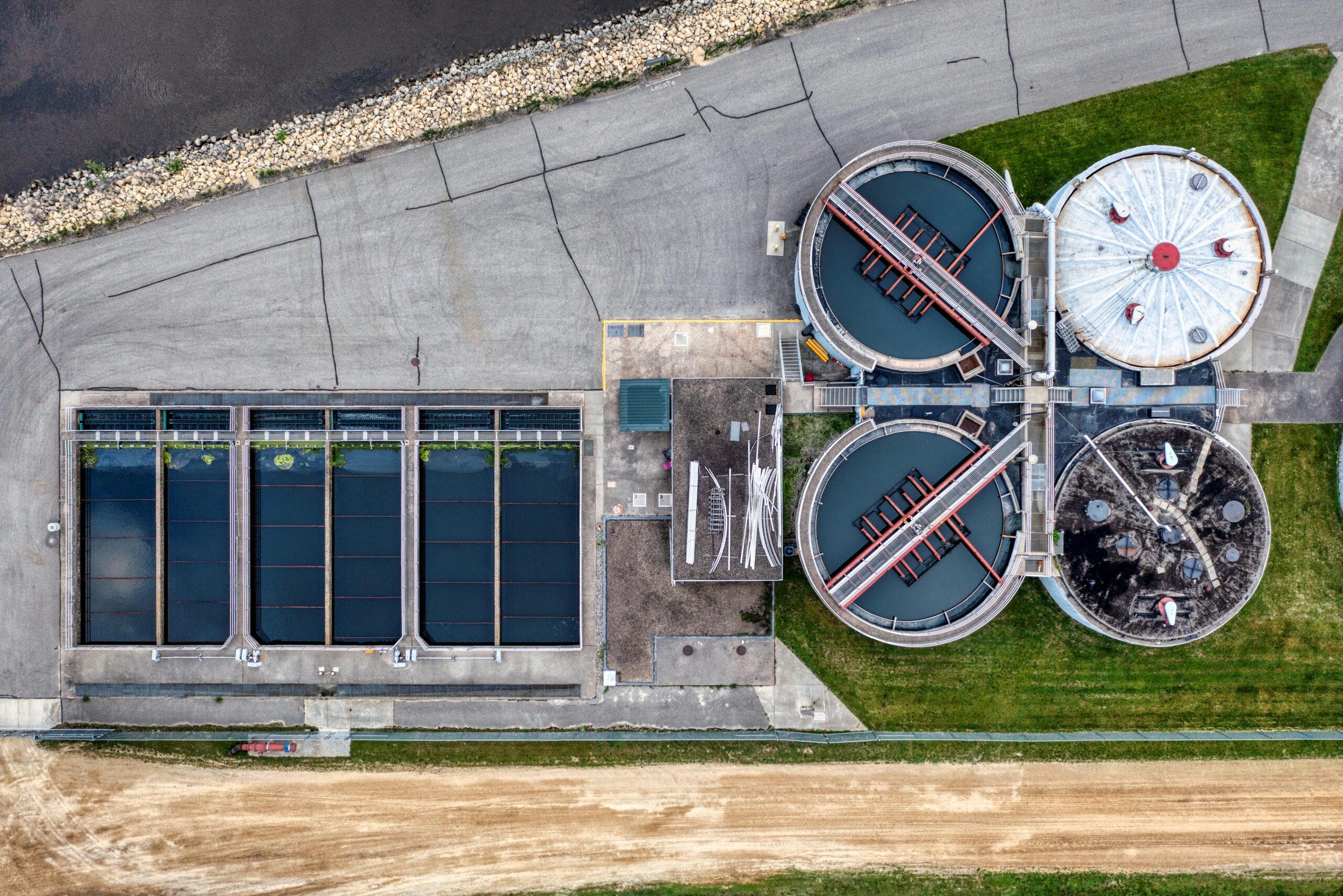
🌟 The Future Flows Through Proper Drainage
Mastering water flow through effective drainage represents one of civilization’s fundamental achievements and ongoing challenges. As climate patterns shift, populations grow, and development intensifies, drainage infrastructure demands renewed attention and investment. The systems we build today determine whether future communities thrive or struggle against water’s power.
Sustainable approaches that work with natural processes rather than against them offer pathways to resilience. Green infrastructure, adaptive design, and comprehensive maintenance create drainage systems that protect health, preserve structures, and enhance environmental quality simultaneously.
Every stakeholder—from homeowners to policymakers—plays a role in drainage success. Understanding water’s behavior, respecting its power, and implementing appropriate management strategies creates healthier, safer, and more sustainable environments. The investment in proper drainage returns benefits across generations, protecting communities and ecosystems from water’s destructive potential while harnessing its life-giving properties.
Whether addressing a soggy lawn or designing citywide stormwater systems, the principles remain consistent: observe water behavior, plan with nature, engineer appropriate solutions, maintain diligently, and adapt as conditions change. Master the flow, and you master a fundamental aspect of environmental health that underpins human wellbeing and ecological integrity. 💧