Watering plants might seem straightforward, but mastering this essential skill separates thriving gardens from struggling ones. Understanding the distinct needs of indoor versus outdoor plants transforms your approach to plant care entirely.

Whether you’re nurturing a collection of houseplants on your windowsill or tending to a flourishing outdoor garden, the watering requirements differ dramatically. Temperature fluctuations, humidity levels, soil composition, and environmental exposure all play crucial roles in determining how much water your plants need and how often they should receive it.
🌱 Why Watering Techniques Differ: The Environmental Factor
The fundamental difference between indoor and outdoor plant watering stems from environmental control. Indoor plants exist in relatively stable conditions where you regulate temperature, humidity, and light exposure. Outdoor plants, conversely, face unpredictable weather patterns, seasonal changes, wind exposure, and natural precipitation.
Indoor environments typically maintain consistent temperatures between 65-75°F year-round, while outdoor plants experience dramatic temperature swings. This stability means indoor plants develop predictable watering patterns, whereas outdoor plants require flexible watering schedules that adapt to changing conditions.
Humidity plays an equally significant role. Most homes maintain 30-50% relative humidity, which can be quite dry for tropical houseplants. Outdoor environments naturally fluctuate in humidity based on weather patterns, rainfall, and seasonal variations. These differences directly impact how quickly soil dries and how much moisture plants lose through transpiration.
Understanding Water Requirements for Indoor Plants 💧
Indoor plants generally require less frequent watering than their outdoor counterparts. The controlled environment means slower evaporation rates and reduced transpiration. Most houseplants thrive when you allow the top inch or two of soil to dry between waterings, though this varies significantly by species.
Succulents and cacti prefer thorough watering followed by extended dry periods, sometimes waiting two to three weeks between waterings. Tropical plants like ferns and calatheas demand consistently moist (not soggy) soil and may need water every few days during active growth periods.
Signs Your Indoor Plants Need Water
Learning to read your plants prevents both overwatering and underwatering disasters. Wilting leaves, dry soil pulling away from pot edges, and leaf curling indicate thirst. However, these same symptoms can also signal overwatering, making proper diagnosis crucial.
The finger test remains the most reliable method: insert your finger two inches into the soil. If it feels dry at that depth, water thoroughly. If moisture remains, wait another day or two before checking again.
The Drainage Dilemma Indoors
Indoor containers must have drainage holes to prevent root rot, one of the most common causes of houseplant death. Without proper drainage, water accumulates at the bottom, creating anaerobic conditions where roots suffocate and fungal diseases flourish.
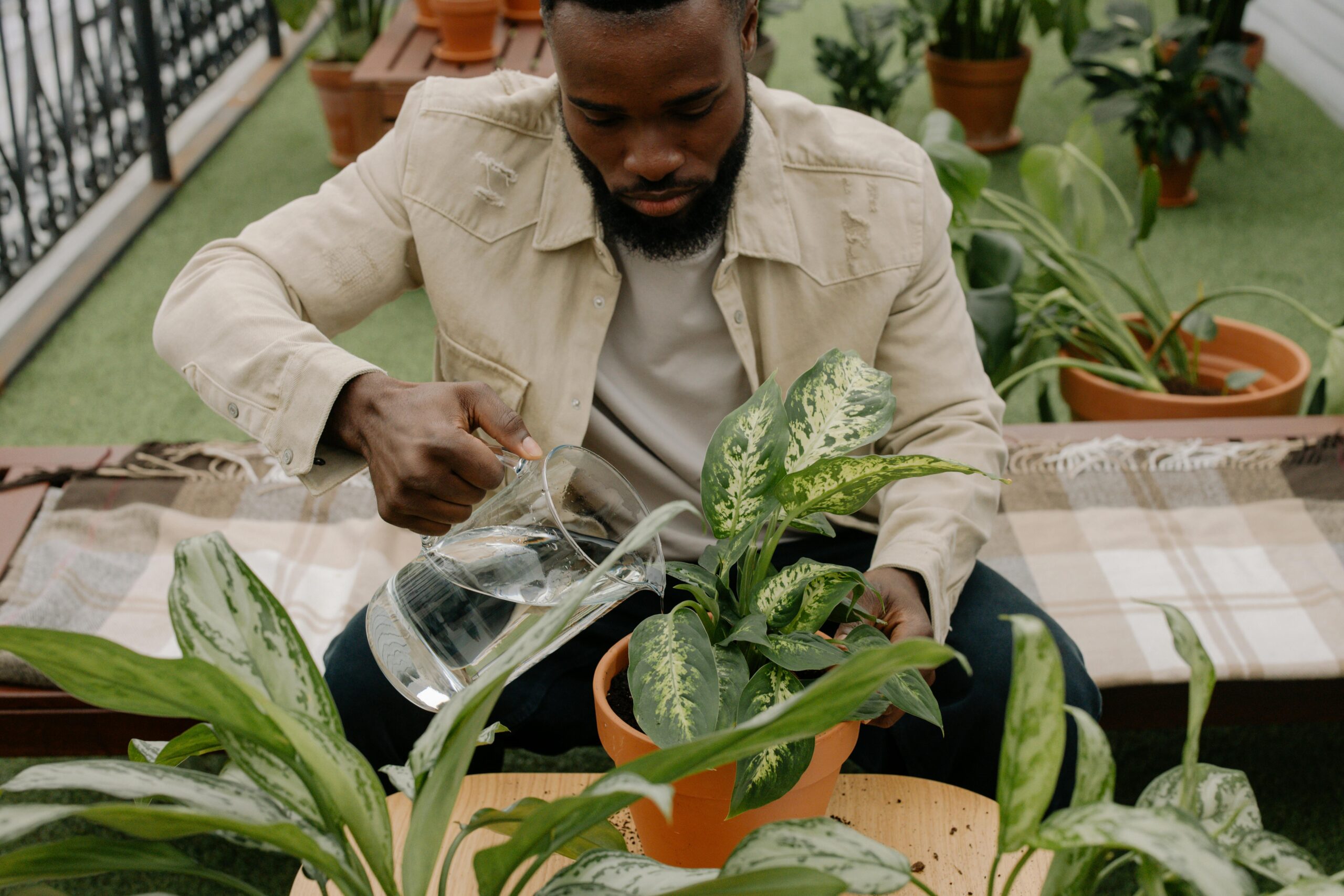
Always water indoor plants until excess drains from the bottom, then discard this runoff. Never let plants sit in standing water in saucers or decorative containers. This practice ensures thorough soil saturation while preventing waterlogged conditions.
🌿 Outdoor Plant Watering: Working With Nature
Outdoor watering strategies must account for rainfall, sun exposure, wind, and temperature extremes. Plants in full sun locations dry out significantly faster than those in shaded areas. Wind accelerates evaporation, particularly during hot summer months.
Established outdoor plants typically develop deeper root systems that access moisture unavailable to shallow-rooted indoor plants. This adaptation allows many outdoor perennials and shrubs to survive with less frequent watering once established, though newly planted specimens require consistent moisture.
Seasonal Watering Adjustments
Spring and fall generally require moderate watering as temperatures remain mild and rainfall more frequent. Summer demands increased watering frequency, especially during heat waves when evaporation rates soar. Winter watering needs drop dramatically as plants enter dormancy and growth slows or stops entirely.
Monitor weather forecasts and adjust your watering schedule accordingly. Skip scheduled waterings after substantial rainfall, and increase frequency during drought conditions or heat waves.
Time of Day Matters Outdoors
Early morning watering proves optimal for outdoor plants, allowing foliage to dry before nightfall and reducing fungal disease risks. Morning watering also ensures moisture availability during the hottest part of the day when plants actively transpire.
Evening watering, while sometimes necessary, leaves foliage wet overnight, creating ideal conditions for powdery mildew, fungal infections, and pest problems. Midday watering wastes water through rapid evaporation before plants can absorb it effectively.
Soil Composition: The Foundation of Proper Watering
Soil type dramatically influences watering frequency and technique. Indoor potting mixes typically contain peat moss, perlite, and vermiculite for excellent drainage and aeration. These lightweight mixes dry faster than outdoor garden soil but also retain appropriate moisture when properly watered.
Outdoor garden soil ranges from fast-draining sandy compositions to moisture-retentive clay. Sandy soils require more frequent watering as water quickly percolates through, while clay soils need less frequent but deeper watering to penetrate the dense structure.
Amending Soil for Better Water Management
Improve outdoor clay soils by incorporating organic matter like compost, which increases drainage and aeration. For sandy soils, add compost or peat moss to improve water retention. These amendments create balanced soil that holds adequate moisture without becoming waterlogged.
Indoor potting soil should never be garden soil, which compacts in containers and drains poorly. Always use commercial potting mixes formulated specifically for container growing, or create custom blends tailored to specific plant needs.
💦 Watering Methods: Choosing the Right Approach
Indoor watering typically involves watering cans, allowing precise control over water quantity and placement. Bottom watering, where containers sit in water-filled trays, benefits plants prone to crown rot or those with delicate foliage. This method encourages downward root growth as roots seek moisture below.
Outdoor watering offers more options: hand watering with hoses, sprinkler systems, drip irrigation, and soaker hoses. Each method has distinct advantages depending on garden size, plant types, and water conservation goals.
Drip Irrigation and Soaker Hoses
These efficient systems deliver water directly to root zones, minimizing waste through evaporation and runoff. Drip irrigation works excellently for vegetable gardens, foundation plantings, and container gardens. Soaker hoses, which seep water along their entire length, suit row plantings and hedges beautifully.
Both methods conserve water while reducing fungal disease risks by keeping foliage dry. They also allow for automation with timers, ensuring consistent watering even during vacations.
Deep Watering vs. Light Sprinkling
Deep, infrequent watering encourages strong root development as roots grow downward seeking moisture. This creates more drought-resistant plants capable of accessing deeper water reserves. Light, frequent sprinkling promotes shallow root systems vulnerable to heat stress and drought.
Apply this principle to both indoor and outdoor plants. Water thoroughly until soil is saturated to the root zone depth, then allow appropriate drying before watering again. This cycle promotes healthy root development and prevents many common watering-related problems.
🌡️ Temperature and Humidity Considerations
Indoor heating during winter dramatically reduces humidity, accelerating soil drying and increasing plant water needs. Conversely, air conditioning can also dry indoor air. Combat low humidity by grouping plants together, using pebble trays filled with water, or running humidifiers near moisture-loving plants.
Outdoor temperature extremes affect watering needs substantially. During heat waves, even established plants may need supplemental watering. Cold weather slows growth and reduces water requirements, with dormant plants needing minimal winter moisture.
Monitoring Moisture Levels Accurately
Moisture meters provide objective measurements of soil wetness at root level, eliminating guesswork. These inexpensive tools prove particularly valuable for large indoor plants in floor planters where finger testing becomes impractical.
For outdoor gardens, observe plant appearance and soil conditions. Wilting during cool morning hours indicates insufficient water, while afternoon wilting during extreme heat may simply reflect temporary water stress that plants recover from overnight.
Container Size and Material Impact
Large containers retain moisture longer than small pots, requiring less frequent watering. However, they also take longer to dry out, increasing overwatering risks for moisture-sensitive plants. Match container size to plant size and growth rate for optimal water management.
Terracotta pots breathe, allowing moisture evaporation through porous walls. They dry faster than plastic or glazed ceramic containers, benefiting plants preferring drier conditions but requiring more frequent watering. Plastic pots retain moisture longer, suiting moisture-loving plants while necessitating careful monitoring to prevent overwatering.
Outdoor Container Challenges
Outdoor containers face additional watering challenges from sun exposure and wind. Dark-colored pots absorb heat, causing soil to dry rapidly. Large containers provide insulation protecting roots from temperature extremes while retaining moisture better than small pots.
Self-watering containers solve many outdoor container watering challenges by maintaining consistent moisture levels through reservoir systems. These work excellently for busy gardeners or during peak summer when containers may need daily watering.
Plant-Specific Watering Requirements 🌺
Different plant species have evolved distinct water needs based on their native habitats. Desert natives like succulents and cacti store water in their tissues, requiring minimal irrigation. Tropical plants from rainforest environments need consistent moisture and high humidity.
Mediterranean herbs like rosemary, lavender, and thyme prefer drier conditions once established, thriving with less frequent watering. Vegetables generally require consistent moisture for quality production, with fluctuating water levels causing problems like blossom end rot in tomatoes or bitter lettuce.
Adapting to Growth Stages
Actively growing plants require more water than dormant ones. Spring and summer growth spurts increase water demands for both indoor and outdoor plants. During winter dormancy, many plants need significantly less water—some cacti and succulents require almost no water during this rest period.
Newly planted specimens need frequent watering until roots establish, typically requiring daily attention for several weeks. Once established, gradually reduce watering frequency to encourage deep root development and drought tolerance.
Common Watering Mistakes to Avoid ⚠️
Overwatering kills more houseplants than any other cause. Constantly soggy soil suffocates roots, preventing oxygen uptake and encouraging root rot. Yellow leaves, mushy stems, and fungus gnats often indicate overwatering problems.
Underwatering causes crispy brown leaf edges, stunted growth, and leaf drop. While often easier to correct than overwatering, chronic underwatering stresses plants, making them vulnerable to pests and diseases.
The Watering Schedule Trap
Rigid watering schedules ignore changing environmental conditions and plant needs. Instead of watering every Wednesday regardless of conditions, check soil moisture and water when plants actually need it. Seasonal changes, growth rates, and weather variations all affect watering requirements.
This flexible approach prevents both overwatering and underwatering while encouraging you to observe and understand your plants’ individual needs.
Water Quality Matters
Tap water containing high chlorine, fluoride, or mineral content can damage sensitive plants over time. Chlorine dissipates if you let water sit overnight before using it. For fluoride-sensitive plants like dracaenas and spider plants, use distilled or rainwater.
Hard water leaves mineral deposits on soil surfaces and pot rims. While generally not harmful, these deposits can accumulate, affecting soil pH and nutrient availability. Periodically flush container soil with distilled water to remove mineral buildup.
Temperature of Water
Room-temperature water prevents shocking plant roots, particularly important for indoor plants. Cold water straight from the tap can damage roots and slow growth. Fill watering cans and let them reach room temperature before watering houseplants.
Outdoor plants tolerate cooler water temperatures better, though avoid watering with very cold water during hot weather as the temperature differential can stress plants.
🌸 Advanced Techniques for Water Conservation
Mulching outdoor beds conserves moisture by reducing evaporation, regulating soil temperature, and suppressing weeds that compete for water. Apply 2-3 inches of organic mulch around plants, keeping it away from stems to prevent rot.
For indoor plants, top-dressing with decorative stones or moss reduces evaporation from soil surfaces. This proves particularly beneficial in low-humidity environments or for plants in terracotta pots.
Collecting and Using Rainwater
Rainwater provides ideal irrigation, free from chemicals and at optimal pH for most plants. Install rain barrels to collect roof runoff, creating a sustainable water source for both indoor and outdoor plants. This reduces water bills while providing plants with naturally soft, chemical-free water.
Use collected rainwater for moisture-sensitive indoor plants and supplement outdoor watering during dry periods. Always use covered containers to prevent mosquito breeding.
Technology and Tools for Better Watering
Smart irrigation controllers adjust outdoor watering based on weather data, soil moisture, and plant needs. These systems prevent watering during rainfall and adjust schedules based on temperature and humidity, significantly reducing water waste.
For indoor plant care, several smartphone apps help track watering schedules, identify plants, and provide care reminders. Moisture sensors connected to apps offer real-time soil moisture monitoring, alerting you when plants need attention.
Creating a Sustainable Watering Routine ♻️
Successful plant care requires establishing routines that work with your lifestyle while meeting plant needs. Designate specific days for checking plants rather than following rigid watering schedules. This approach ensures you regularly assess plant conditions without the inflexibility of predetermined watering days.
For busy schedules, group indoor plants with similar water needs together, simplifying care routines. Position high-maintenance, moisture-loving plants where you’ll see them daily, serving as natural reminders to check water needs.
Outdoor gardens benefit from zoning plants by water needs—creating hydrozones where drought-tolerant plants grow together separately from moisture-loving specimens. This targeted approach conserves water while ensuring each plant receives appropriate care.
Mastering the art of watering transforms your relationship with plants, turning plant care from a chore into an intuitive practice. By understanding the distinct differences between indoor and outdoor watering needs, observing your plants carefully, and adjusting techniques based on environmental conditions, you create the foundation for thriving, healthy plants year-round. Remember that successful watering isn’t about following rules rigidly—it’s about developing the knowledge and observation skills to give each plant exactly what it needs, when it needs it.