# Unmasking Seasonal Pests: Understanding Their Patterns to Keep Your Home Protected Year-Round

Every season brings unique challenges when it comes to pest control. Understanding these patterns is your first line of defense against unwanted invaders that can damage property and threaten family health.
Seasonal pest infestations aren’t random occurrences—they follow predictable patterns based on temperature, humidity, and food availability. By recognizing these cycles, homeowners can implement proactive strategies that prevent problems before they start, saving money and reducing stress throughout the year.
🌸 Spring: The Season of Awakening
As temperatures rise and flowers bloom, pests emerge from winter dormancy with a vengeance. Spring represents the beginning of the pest activity cycle, making early intervention crucial for year-round protection.
Ants March Into Action
Carpenter ants and pavement ants become increasingly active during spring months. These tiny invaders search for food and water sources, often establishing trails directly into your kitchen and bathroom areas. Carpenter ants pose particular concern as they tunnel through wooden structures, potentially causing significant structural damage over time.
Prevention starts with eliminating moisture problems, sealing entry points around windows and doors, and keeping food stored in airtight containers. Trim tree branches that touch your home’s exterior, as these serve as convenient highways for ant colonies.
Termite Swarms Signal Trouble
Spring triggers termite swarming season when reproductive termites leave established colonies to form new ones. Spotting winged termites near windows or finding discarded wings signals an immediate need for professional inspection.
Termites cause billions of dollars in property damage annually, often working silently within walls before homeowners notice problems. Schedule annual termite inspections during spring to catch infestations early when treatment is most effective and least expensive.
Stinging Insects Build Their Nests
Wasps, hornets, and bees begin nest construction as temperatures warm. Queens emerge from winter hibernation seeking ideal nesting locations—often in attics, eaves, or wall voids. Early detection allows for easier removal before colonies reach full summer strength.
☀️ Summer: Peak Pest Season
Summer heat accelerates pest reproduction cycles, creating ideal conditions for population explosions. This season demands heightened vigilance and may require more frequent pest control interventions.
Mosquitoes Multiply Rapidly
Standing water becomes a breeding ground for mosquitoes, which can complete their lifecycle in just one week during optimal summer conditions. Beyond the nuisance of itchy bites, mosquitoes transmit serious diseases including West Nile virus, Zika, and dengue fever.
Eliminate standing water in gutters, bird baths, flower pots, and children’s toys. Change pet water dishes daily and maintain swimming pools properly. Consider installing screens on windows and doors to keep these disease vectors outside where they belong.
Flies Become Persistent Problems
House flies and fruit flies thrive in summer heat, reproducing at alarming rates. A single female house fly can lay up to 500 eggs in her lifetime, which explains how quickly infestations develop.
Sanitation is your strongest defense against fly populations. Dispose of garbage regularly, clean up pet waste promptly, and don’t leave dirty dishes in the sink overnight. Store produce in the refrigerator rather than on countertops to discourage fruit flies.
Spiders Spin Their Webs
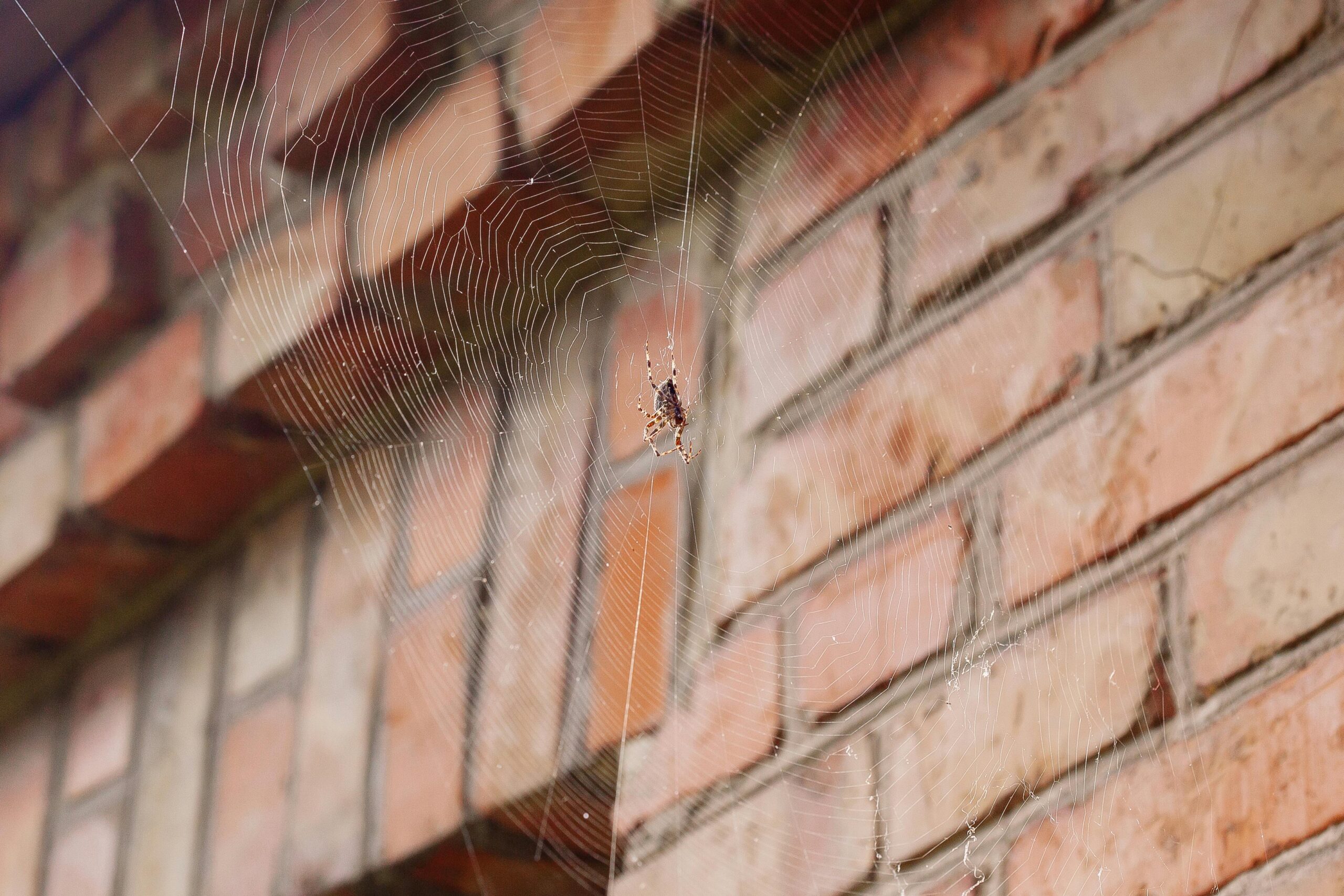
While most spiders are beneficial predators that consume other pests, their presence indoors can be unsettling. Summer brings increased spider activity as they hunt the abundant insect populations.
Regular cleaning that removes webs and egg sacs helps control spider populations. Reduce outdoor lighting that attracts the insects spiders feed on, and seal cracks around foundations, windows, and doors.
🍂 Fall: Pests Seek Shelter
As temperatures drop, pests actively search for warm winter havens. Your home’s cozy interior becomes extremely attractive, making fall the critical season for exclusion efforts.
Rodents Run for Cover
Mice and rats seek indoor shelter as food sources disappear outdoors. These destructive pests gnaw through wiring, insulation, and building materials while contaminating food supplies with disease-carrying droppings.
Inspect your home’s exterior for entry points larger than a dime—mice can squeeze through incredibly small openings. Install door sweeps, repair damaged screens, and cover vents with hardware cloth. Store firewood at least 20 feet from your home and keep it elevated off the ground.
Stink Bugs Invade in Droves
Brown marmorated stink bugs aggregate on sunny exterior walls before finding entry points into attics and wall voids. These agricultural pests emit foul odors when disturbed or crushed, making large infestations particularly unpleasant.
Seal cracks around windows, doors, siding, and utility penetrations. Install tight-fitting door sweeps and repair damaged screens. Vacuum up individual bugs rather than crushing them to avoid releasing their defensive odor.
Asian Lady Beetles Cluster Together
Often mistaken for beneficial ladybugs, Asian lady beetles swarm to structures in fall seeking winter shelter. Large aggregations can stain surfaces and produce allergic reactions in sensitive individuals.
Focus prevention efforts on exterior sealing before populations peak in October. Use a vacuum with a disposable bag to remove indoor beetles, disposing of the bag immediately to prevent odor problems.
❄️ Winter: The Hidden Threat
Pest activity doesn’t stop when temperatures drop—it simply moves indoors or underground. Winter represents an opportunity for thorough prevention work while planning for next season’s challenges.
Cockroaches Thrive in Warmth
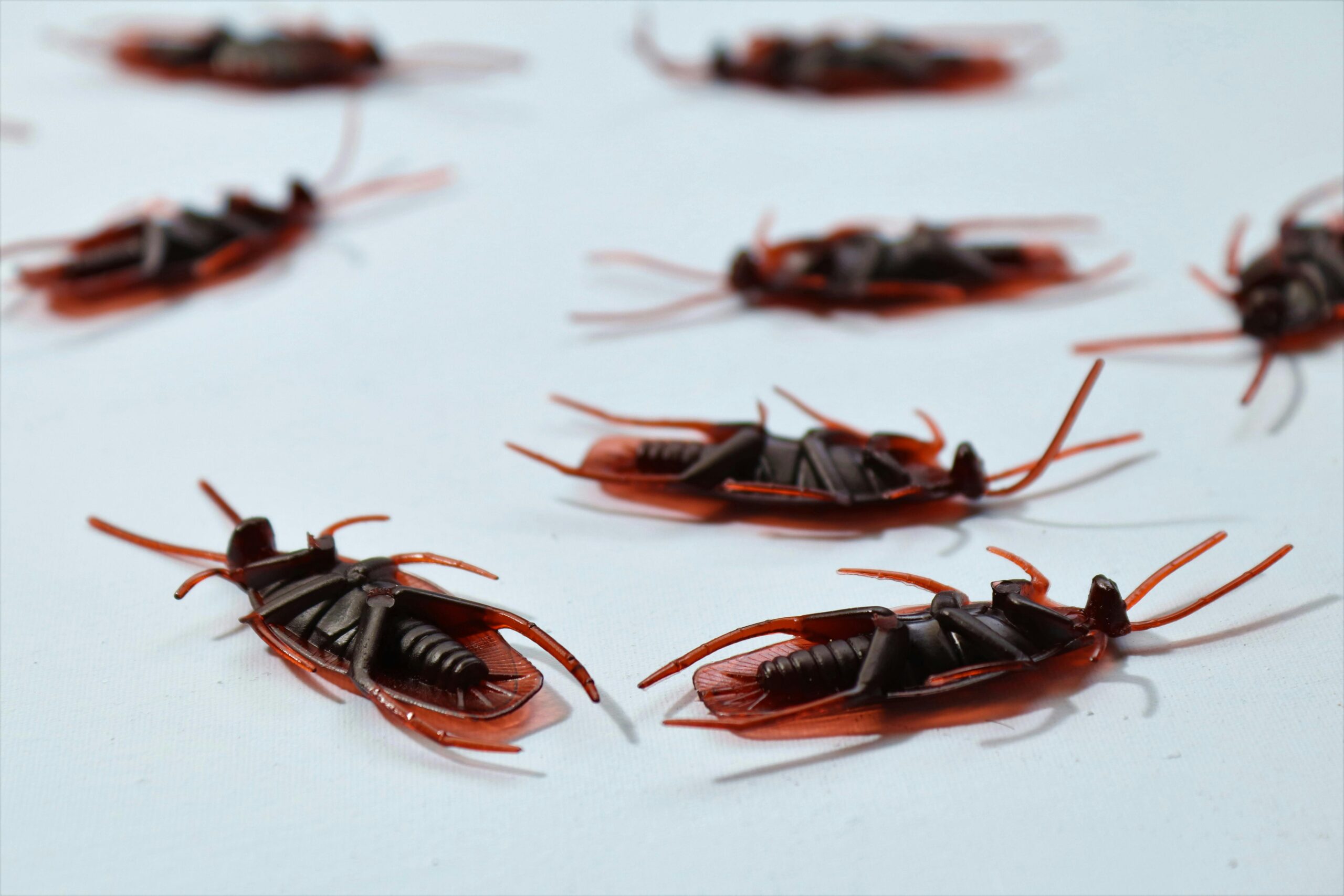
German cockroaches and American cockroaches remain active year-round in heated buildings. These resilient pests trigger allergies and asthma while spreading bacteria from their unsanitary feeding habits.
Eliminate moisture sources by fixing leaky pipes and improving ventilation. Store food in sealed containers and clean up crumbs and spills immediately. Remove clutter that provides harborage areas, especially in basements and utility rooms.
Overwintering Pests Emerge Indoors
Stink bugs, lady beetles, and cluster flies that entered your home in fall may become active during warm winter days or when central heating tricks them into thinking spring has arrived. These confused pests congregate around windows attempting to escape.
Vacuum up indoor pests regularly and continue monitoring potential entry points. Avoid using pesticides on overwintering pests indoors, as this can create unpleasant odors and attract secondary pests that feed on dead insects.
Pantry Pests Infest Stored Foods
Indian meal moths, flour beetles, and grain weevils discover stored foods during winter when outdoor food sources are unavailable. These pests contaminate dry goods including cereals, flour, pasta, and pet food.
Inspect packaged foods regularly for signs of infestation including webbing, small holes in packaging, or live insects. Store susceptible items in airtight containers and rotate stock regularly using older items first.
🎯 Year-Round Prevention Strategies
Effective pest management requires consistent effort throughout all seasons. Implementing these comprehensive strategies creates a strong defense against seasonal invaders.
Seal and Exclude
The most effective pest control prevents entry altogether. Conduct quarterly inspections of your home’s exterior, paying special attention to areas where utilities enter the structure, gaps around windows and doors, and cracks in the foundation.
Use appropriate materials for each situation: caulk for small cracks, expanding foam for larger gaps, steel wool for holes that rodents might gnaw, and hardware cloth for vents and openings that require airflow.
Eliminate Attractants
Pests enter homes seeking food, water, and shelter. Removing these attractants significantly reduces pest pressure throughout the year.
- Store trash in sealed containers and dispose of it regularly
- Fix leaking pipes, faucets, and drainage problems
- Keep kitchen surfaces clean and free of crumbs
- Store food in airtight containers including pet food
- Reduce clutter that provides hiding places
- Maintain proper ventilation to reduce moisture
- Keep landscaping trimmed away from the home’s exterior
Monitor and Document
Regular inspections allow early detection before small problems become major infestations. Create a seasonal checklist that includes key areas prone to pest activity including basements, attics, crawl spaces, and utility areas.
Document pest sightings with photos and notes about location and conditions. This information helps identify patterns and evaluate the effectiveness of control measures over time.
🔬 Understanding Pest Biology
Knowledge of pest life cycles and behavior patterns improves prevention strategies and control timing. Different pests respond to environmental triggers in predictable ways that inform effective management.
Temperature Thresholds
Most insects become active when temperatures consistently reach 50-60°F. Understanding these thresholds helps predict when specific pests will emerge and when activity will decline.
Cold-blooded pests cannot regulate their body temperature, making them dependent on environmental conditions. This explains why pest activity correlates closely with seasonal temperature patterns and why indoor climate control affects year-round pest populations.
Reproductive Cycles
Pest reproduction rates vary dramatically by species and season. Mosquitoes can produce a new generation weekly during summer, while termite colonies take years to mature. Understanding these cycles helps time control efforts for maximum effectiveness.
Targeting reproductive adults before they produce offspring provides better long-term control than killing individual pests after populations explode. Spring treatments often deliver better results by preventing summer population peaks.
🏡 Professional vs. DIY Approaches
Determining when to handle pest problems yourself versus calling professionals depends on the pest species, infestation severity, and potential health or structural risks involved.
When to Call the Experts
Certain situations demand professional expertise and equipment. Termite infestations, bed bug problems, large wasp nests, and rodent infestations within walls typically exceed DIY capabilities.
Licensed pest control professionals access professional-grade products, specialized equipment, and extensive training that delivers more effective results for serious infestations. Many companies offer seasonal prevention programs that address predictable pest cycles with appropriate treatments.
Effective DIY Solutions
Many pest problems respond well to homeowner efforts when caught early. Proper sanitation, exclusion work, and targeted use of readily available products can control many common household pests.
Success requires correct pest identification, understanding of pest biology, and consistent application of appropriate control methods. Research specific pests thoroughly before attempting control to avoid wasting time and money on ineffective approaches.
🌍 Environmental Considerations
Modern pest management emphasizes integrated pest management (IPM) strategies that minimize environmental impact while effectively controlling pests. This approach prioritizes prevention and monitoring over chemical applications.
Reducing Pesticide Dependence
Overreliance on chemical pesticides creates resistant pest populations, harms beneficial insects, and potentially affects human health. IPM strategies use pesticides as a last resort after exhausting non-chemical options.
Physical barriers, biological controls, habitat modification, and mechanical removal often solve pest problems without chemicals. When pesticides become necessary, targeted applications of the least-toxic effective products minimize broader environmental impacts.
Supporting Beneficial Species
Many creatures that might seem like pests actually provide valuable services by controlling harmful pest populations. Spiders consume enormous quantities of insects, while bats and birds devour mosquitoes and other flying pests.
Creating habitats that support these beneficial species provides natural pest control that works continuously without human intervention. Native plantings, water features, and appropriate shelter structures encourage helpful wildlife that keeps pest populations in check.
📅 Creating Your Seasonal Action Plan
Developing a customized pest management calendar based on your local climate and common pest pressures ensures consistent protection throughout the year.
Spring Tasks (March-May)
Schedule professional termite inspections before swarms begin. Seal exterior cracks and gaps before ant season peaks. Remove potential mosquito breeding sites before populations explode. Service air conditioning units before summer heat arrives.
Summer Tasks (June-August)
Maintain vigilant sanitation to control flies and ants. Monitor for wasp nests and remove them while small. Keep outdoor areas clean to reduce pest attractants. Ensure proper drainage to eliminate standing water.
Fall Tasks (September-November)
Conduct thorough exterior inspections and seal all entry points. Install door sweeps and repair screens. Remove debris and vegetation from around the foundation. Store firewood properly away from the house.
Winter Tasks (December-February)
Monitor for overwintering pests indoors. Maintain indoor sanitation and eliminate moisture problems. Plan and budget for next season’s prevention efforts. Research local pest patterns and emerging threats.
💡 Staying Ahead of Emerging Threats
Pest populations evolve, and new invasive species arrive regularly. Staying informed about emerging pest threats in your region allows proactive preparation rather than reactive crisis management.
Climate change affects pest ranges and seasonal patterns, with many species expanding into previously inhospitable regions. Monitor local extension service alerts and pest control industry news for information about new threats approaching your area.
Building relationships with knowledgeable pest control professionals provides access to expertise about local pest trends and effective control strategies. Annual preventive inspections often identify emerging problems before they become costly emergencies.
🛡️ Long-Term Protection Through Knowledge
Understanding seasonal pest patterns transforms pest management from endless reactive battles into strategic prevention that protects your home and family year-round. Each season brings predictable challenges that informed homeowners can anticipate and address before problems develop.
Investment in prevention—through proper exclusion, sanitation, and monitoring—delivers far greater returns than emergency treatments after infestations establish. The time and resources dedicated to understanding pest biology and seasonal patterns pay dividends through reduced pest pressure, lower control costs, and greater peace of mind.
Your home represents a significant investment deserving protection from the damage and health risks that seasonal pests create. By unmasking these seasonal patterns and implementing comprehensive prevention strategies, you maintain control over your living environment regardless of what challenges each season brings.