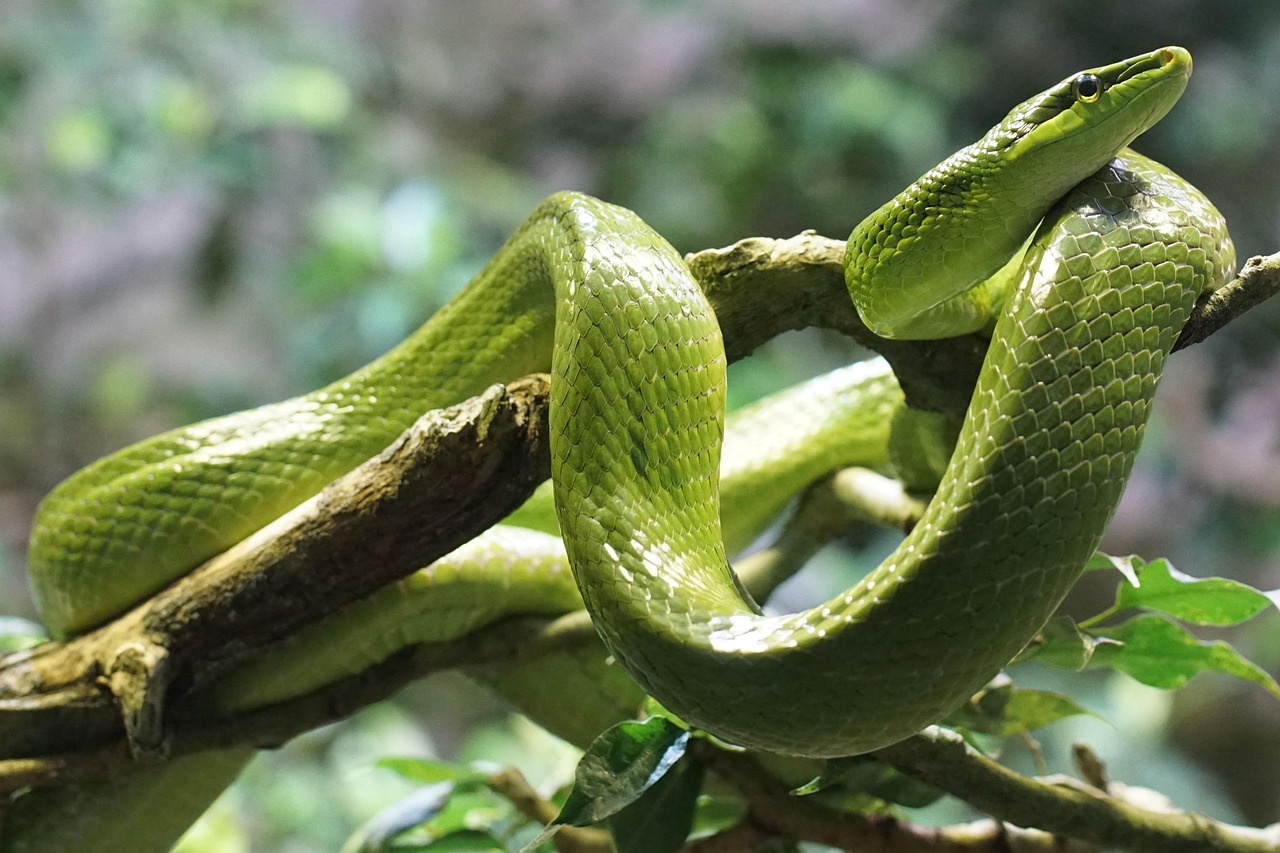
The natural world operates on a delicate balance where predators play an essential role in maintaining ecosystem health. Understanding these magnificent creatures helps us appreciate the intricate web of life surrounding us.

From the smallest insect hunters to apex carnivores ruling their domains, natural predators shape landscapes and influence countless species interactions. Learning to identify these animals and comprehend their ecological significance transforms how we view wildlife and conservation efforts worldwide.
🦅 Why Understanding Natural Predators Matters
Predators serve as nature’s regulators, controlling prey populations and preventing overgrazing or overcrowding that could devastate entire ecosystems. Without these hunters, herbivore populations would explode, leading to vegetation depletion and habitat degradation affecting countless species down the food chain.
Beyond population control, predators demonstrate remarkable evolutionary adaptations that fascinate scientists and nature enthusiasts alike. Their hunting strategies, sensory abilities, and physical characteristics represent millions of years of natural selection perfecting survival mechanisms. Studying these adaptations provides insights into animal behavior, ecology, and even biomimicry applications in human technology.
Conservation efforts increasingly recognize that protecting predator species ensures overall ecosystem resilience. When top predators disappear from environments, cascading effects ripple through entire biological communities, often causing unexpected and devastating consequences for biodiversity.
Identifying Terrestrial Predators: Land Hunters
Feline Predators: Masters of Stealth
Big cats represent some of Earth’s most recognizable predators, each adapted to specific environments and hunting techniques. Lions hunt cooperatively in prides across African savannas, while leopards operate as solitary ambush hunters capable of dragging prey twice their weight into trees. Tigers, the largest felines, dominate Asian forests and grasslands with powerful builds designed for taking down large ungulates.
Smaller wild cats like bobcats, lynx, and ocelots occupy diverse habitats from North American forests to South American jungles. These medium-sized predators specialize in hunting rabbits, rodents, and birds, filling crucial ecological niches their larger cousins cannot access. Identifying them requires noting distinctive features like ear tufts, tail length, coat patterns, and geographical range.
Canine Hunters: Pack Strategists
Wolves exemplify cooperative hunting excellence, using pack coordination to bring down prey significantly larger than individual pack members. Their complex social structures and communication systems demonstrate intelligence rivaling primates. Gray wolves, red wolves, and various subspecies occupy territories across North America, Europe, and Asia, though many populations face severe conservation challenges.
Coyotes, foxes, and jackals represent adaptable canine predators thriving in diverse environments, including urban areas. These opportunistic hunters consume varied diets from small mammals and birds to insects, fruits, and human refuse. Their adaptability makes them successful survivors even as human development encroaches on natural habitats.
Bear Species: Opportunistic Omnivores
While often categorized as omnivores, bears function as significant predators in their ecosystems. Grizzly bears and brown bears catch salmon during spawning runs, hunt ungulate calves, and occasionally take down adult prey. Polar bears, the most carnivorous bear species, specialize in hunting seals across Arctic ice sheets, making them apex predators in one of Earth’s harshest environments.
Black bears demonstrate remarkable dietary flexibility, consuming mostly plant matter but readily taking fawns, small mammals, and fish when opportunities arise. Their presence influences prey behavior patterns and vegetation distribution throughout their territories.
🦈 Aquatic Predators: Rulers of Water Realms
Marine Apex Predators
Sharks have patrolled ocean waters for over 400 million years, evolving into diverse forms occupying every marine habitat from shallow reefs to abyssal depths. Great white sharks, tiger sharks, and bull sharks rank among the ocean’s top predators, using acute senses to detect prey from remarkable distances. Their electroreception abilities allow them to sense bioelectric fields produced by living organisms, even when buried in sand.
Orcas, despite their “killer whale” nickname, belong to the dolphin family and represent the ocean’s most formidable predators. These intelligent hunters employ sophisticated cooperative strategies, cultural knowledge passed between generations, and specialized hunting techniques adapted to local prey populations. Different orca populations target specific prey including fish, seals, penguins, or even other whale species.
Freshwater Hunters
Crocodilians dominate freshwater and brackish environments across tropical and subtropical regions worldwide. Saltwater crocodiles, Nile crocodiles, and American alligators use patience and explosive ambush tactics to capture prey ranging from fish to large mammals. Their ancient lineage and successful predatory lifestyle demonstrate evolutionary perfection over millions of years.
Pike, muskellunge, and other large predatory fish control smaller fish populations in lakes and rivers. These freshwater hunters contribute to aquatic ecosystem balance, preventing any single species from dominating food resources and maintaining biodiversity in water systems.
Avian Predators: Masters of the Sky 🦅
Raptors: Daytime Hunters
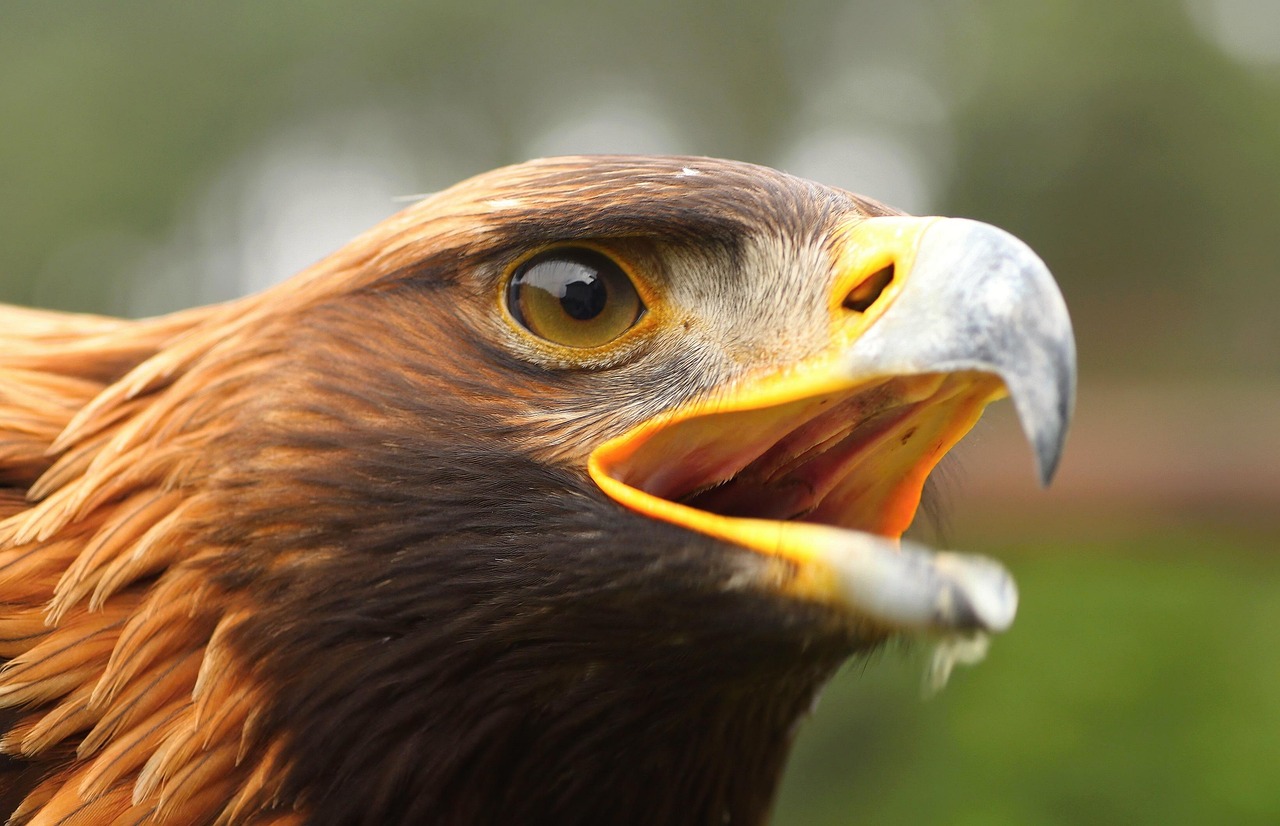
Eagles, hawks, and falcons possess extraordinary vision allowing them to spot prey from tremendous heights. Bald eagles and golden eagles hunt fish, waterfowl, and medium-sized mammals using powerful talons to secure struggling prey. Red-tailed hawks, among North America’s most common raptors, patrol roadsides and open fields hunting rodents that constitute their primary diet.
Peregrine falcons claim the title of fastest animals on Earth, reaching speeds exceeding 240 miles per hour during hunting stoops. These aerial specialists target birds mid-flight, striking with devastating force that often kills prey instantly. Their remarkable recovery from DDT-induced population crashes represents one of conservation’s greatest success stories.
Nocturnal Bird Predators
Owls rule nighttime skies across every continent except Antarctica, using specialized adaptations including silent flight, exceptional hearing, and night vision. Great horned owls, among the most powerful owl species, take prey ranging from insects to skunks and even other raptors. Barn owls provide invaluable rodent control services around agricultural areas, consuming thousands of mice annually per breeding pair.
Their asymmetrical ear placement allows precise sound triangulation, enabling owls to pinpoint prey location in complete darkness based solely on rustling sounds. Specialized feather structures break up turbulent air flow, eliminating sound that would otherwise alert potential prey to approaching danger.
Recognizing Predator Signs and Tracking
Physical Evidence in Nature
Learning to identify predator presence through indirect signs enhances wildlife observation skills and safety awareness. Tracks represent the most obvious evidence, with each species leaving distinctive prints based on foot structure, gait, and size. Canine tracks show claw marks and symmetrical toe arrangements, while feline tracks typically lack claw impressions due to retractable claws.
Scat analysis reveals diet composition, territory marking behavior, and species identity. Predator droppings often contain fur, bones, feathers, or scales from consumed prey. Coyote scat frequently includes berry seeds and insect parts reflecting their omnivorous diet, while mountain lion scat contains primarily hair and bone fragments from mammalian prey.
Behavioral Indicators
Prey species exhibit specific alarm behaviors signaling predator presence. Birds mobbing behavior, where multiple small birds harass a larger predator, often indicates owls, hawks, or other raptors nearby. Deer snorting and stamping alert other herd members to potential threats, while squirrels produce distinctive chattering alarm calls when spotting predators.
Kill sites provide fascinating insights into predator hunting methods and feeding patterns. Partially consumed carcasses cached in trees suggest leopard activity, while prey buried under debris indicates mountain lion behavior. Birds of prey often pluck feathers at specific feeding perches, creating distinctive accumulation zones beneath favorite trees or rocks.
🌍 The Ecological Importance of Predators
Trophic Cascades and Ecosystem Balance
The reintroduction of wolves to Yellowstone National Park demonstrated dramatic trophic cascades affecting entire ecosystems. Wolf predation modified elk behavior patterns, reducing grazing pressure along river corridors. This behavioral change allowed willow and aspen regeneration, which stabilized stream banks, created beaver habitat, and increased biodiversity across multiple species groups.
Similar cascading effects occur in marine environments where shark populations influence ray and smaller predator distributions, which in turn affect shellfish and algae communities. These interconnected relationships highlight how predator conservation extends benefits far beyond single species protection.
Natural Selection and Prey Evolution
Predation pressure drives prey evolution, selecting for faster runners, better camouflage, improved vigilance, and defensive behaviors. This evolutionary arms race produces the remarkable adaptations we observe throughout nature. Gazelles’ incredible speed, porcupine quills, skunk spray, and octopus camouflage all evolved as responses to predation pressure over countless generations.
Predators preferentially target weak, sick, or elderly individuals, removing disease vectors from populations and maintaining prey genetic health. This natural selection process ensures robust prey populations better adapted to environmental challenges beyond predation.
Coexisting Safely with Natural Predators
Understanding Predator Behavior Reduces Conflicts
Most predator attacks on humans result from surprise encounters, territorial defense, or protective maternal behavior rather than predatory intent. Understanding species-specific behaviors and appropriate responses dramatically reduces risk during outdoor activities. Making noise while hiking alerts bears to human presence, allowing them to avoid encounters. Maintaining eye contact and appearing large deters mountain lion attacks, while slowly backing away prevents triggering chase instincts.
Proper food storage in predator country prevents habituation and dangerous associations between humans and food resources. Using bear canisters, hanging food properly, and maintaining clean campsites protects both humans and wildlife by preventing conflict situations that often result in predator removal or euthanasia.
Respecting Predator Space and Territory
Observing predators requires maintaining appropriate distances that don’t alter natural behaviors or create stress. Binoculars and telephoto lenses allow wildlife appreciation without intrusive proximity. National parks and wildlife reserves establish viewing guidelines based on species-specific space requirements and safety considerations.
Nesting and denning seasons demand extra caution and distance, as predators become particularly defensive protecting young. Respecting seasonal closures and restricted areas ensures both human safety and successful reproduction for sensitive species.
Conservation Challenges Facing Predator Populations
Habitat Loss and Fragmentation
Predators typically require large territories supporting sufficient prey populations, making them particularly vulnerable to habitat fragmentation. As human development converts natural landscapes into agriculture, roads, and urban areas, predator populations become isolated in habitat islands lacking genetic connectivity or adequate resources.
Wildlife corridors connecting fragmented habitats enable predator movement between populations, maintaining genetic diversity and allowing access to seasonal resources. Conservation initiatives increasingly focus on protecting and restoring these critical linkages ensuring long-term population viability.
Human-Wildlife Conflict
Predators occasionally kill livestock, creating economic losses for ranchers and farmers that fuel retaliatory killing and negative attitudes toward conservation. Innovative solutions including livestock guardian dogs, improved fencing, compensation programs, and community-based conservation initiatives help reduce conflicts while protecting both livelihoods and predator populations.
Education programs highlighting predator ecological benefits and successful coexistence strategies gradually shift public perceptions. When communities recognize predators as valuable ecosystem components rather than threats, conservation efforts gain crucial local support.
Becoming a Responsible Predator Observer 📸
Ethical Wildlife Photography and Observation
Documenting predators through photography contributes to scientific knowledge and public appreciation while demanding ethical practices that prioritize animal welfare. Never baiting predators or altering behaviors for photographs, maintaining legal distances, and avoiding sensitive areas during breeding seasons demonstrates responsible wildlife observation.
Citizen science projects enable enthusiasts to contribute valuable data tracking predator distributions, population trends, and behavioral patterns. Submitting sightings to databases helps researchers monitor species without dedicated funding for extensive field surveys.
Supporting Predator Conservation
Individual actions collectively impact predator conservation success. Supporting organizations conducting research and habitat protection, advocating for wildlife-friendly policies, and making informed consumer choices that don’t contribute to habitat destruction all advance conservation goals.
Educating others about predator importance multiplies conservation impact exponentially. Sharing knowledge, correcting misconceptions, and inspiring appreciation for these remarkable animals creates broader support for protection efforts.
The Future of Predators in Our Changing World
Climate change introduces new challenges as shifting temperature patterns alter prey distributions, breeding seasons, and habitat suitability. Polar bears face particularly dire circumstances as Arctic ice disappears, eliminating hunting platforms essential for seal predation. Other predator species must adapt to changing prey availability and modified ecosystem dynamics.
Conservation strategies increasingly incorporate climate projections, protecting climate-resilient habitats and corridors allowing species to track suitable conditions as environments shift. Assisted migration, habitat restoration, and genetic management represent tools helping predator populations navigate unprecedented environmental changes.
Rewilding initiatives reintroducing predators to historic ranges demonstrate growing recognition of their ecosystem importance. These projects require extensive planning, community engagement, and long-term commitment but yield remarkable biodiversity benefits extending across entire landscapes.
Embracing Our Role as Stewards
Understanding natural predators transforms our relationship with the wild world, revealing intricate connections sustaining life across our planet. These magnificent hunters deserve our respect, protection, and coexistence efforts ensuring their survival for future generations.
Every individual possesses power to influence predator conservation through daily choices, advocacy, and spreading knowledge. As apex species ourselves, humans bear responsibility for ensuring our activities don’t eliminate the remarkable predators that have shaped ecosystems for millions of years. By mastering knowledge of these creatures and championing their protection, we secure not only predator futures but the health of entire ecosystems upon which all life depends.