Transform your indoor environment with the perfect balance of light and greenery. Medium-light plants offer an ideal solution for most home and office spaces, thriving in conditions that aren’t too bright or too dim.

Whether you’re a seasoned plant parent or just beginning your green journey, understanding how to select and care for medium-light plants can revolutionize your interior spaces. These versatile plants adapt beautifully to various lighting conditions, making them perfect companions for living rooms, bedrooms, and even those tricky spots that receive indirect sunlight throughout the day.
🌿 Understanding Medium-Light Conditions in Your Home
Before diving into plant selection, it’s essential to understand what medium-light actually means. This lighting condition refers to areas that receive bright, indirect light or filtered sunlight for several hours daily. Think of spots near east-facing windows, a few feet away from south-facing windows, or areas where light is diffused through sheer curtains.
Medium-light environments typically measure between 250 to 1,000 foot-candles of light intensity. In practical terms, you can read comfortably in these areas during daytime hours without artificial lighting, but the space doesn’t receive direct sun rays that might cast sharp shadows or create hot spots on surfaces.
Identifying these zones in your home is the first step toward successful plant placement. Walk through your space at different times of day, observing how natural light moves and changes. Morning light differs significantly from afternoon illumination, and seasonal variations can dramatically affect your indoor lighting conditions.
Why Medium-Light Plants Are Perfect for Most Indoor Spaces
Medium-light plants have evolved to thrive in forest understories and shaded natural habitats, making them exceptionally well-suited for indoor living. Their adaptability stems from their natural environment, where they’ve learned to maximize photosynthesis with limited direct sunlight.
These plants demonstrate remarkable resilience, tolerating occasional fluctuations in light levels without showing immediate stress signs. This forgiveness makes them ideal for busy households where conditions might vary due to seasonal changes, furniture rearrangement, or lifestyle adjustments.
The aesthetic versatility of medium-light plants cannot be overstated. From trailing vines to architectural statement pieces, these plants come in diverse shapes, sizes, and textures that complement any interior design style. Their moderate growth rate means less frequent repotting and maintenance compared to their high-light counterparts.
Health Benefits That Come Standard
Beyond their visual appeal, medium-light plants contribute significantly to indoor air quality. They actively filter toxins, release oxygen, and increase humidity levels naturally. Studies have shown that indoor plants can reduce stress, improve concentration, and create a more welcoming atmosphere in any space.
The presence of greenery has been linked to enhanced productivity in work environments and better sleep quality in bedrooms. Medium-light plants make these benefits accessible to virtually everyone, regardless of window orientation or architectural limitations.
🪴 Top Medium-Light Plant Champions for Your Space
Selecting the right plants for your medium-light conditions ensures long-term success and satisfaction. Here are exceptional performers that consistently deliver vibrant growth and minimal fuss.
Pothos: The Indestructible Classic
Pothos varieties rank among the most forgiving and visually striking medium-light plants available. Their heart-shaped leaves cascade gracefully from hanging baskets or climb decorative supports with minimal encouragement. Golden Pothos displays stunning variegation with cream and yellow splashes, while Marble Queen offers silvery-white patterns that brighten any corner.
These plants tolerate occasional neglect, bounce back from underwatering, and actively communicate their needs through slight leaf drooping when thirsty. Their rapid growth provides instant gratification for new plant enthusiasts, while their air-purifying capabilities make them functional as well as beautiful.
Peace Lily: Elegant and Expressive
Peace Lilies bring sophisticated beauty to medium-light spaces with their glossy foliage and distinctive white spathes that resemble flowers. These plants excel at communicating their water needs dramatically but recover quickly once watered, making them excellent learning tools for developing plant care intuition.
Their tolerance for lower light conditions makes them incredibly versatile, though they produce more blooms in medium-light settings. Peace Lilies also rank highly for air purification, removing common indoor pollutants effectively while requiring only weekly watering in most conditions.
Philodendron: Diversity in One Genus
The Philodendron family offers extraordinary variety for medium-light environments. From the heart-leaf Philodendron’s compact trailing habit to the Brazil variety’s stunning yellow variegation, there’s a perfect option for every aesthetic preference and space constraint.
These plants develop strong root systems that anchor them securely while maintaining manageable growth rates. Their leaves naturally orient toward light sources, creating dynamic displays that evolve throughout the day. Philodendrons rarely experience pest problems and adapt well to typical household humidity levels.
Snake Plant: Architectural Minimalism
Snake Plants bring vertical interest and modern simplicity to medium-light spaces. Their sword-like leaves grow upright in tight clusters, requiring minimal horizontal space while making bold visual statements. The variety of cultivars ranges from compact six-inch plants to dramatic three-foot specimens.
These succulents store water efficiently in their thick leaves, requiring infrequent watering and tolerating occasional drought better than overwatering. Their slow, steady growth means you’ll enjoy the same aesthetic for extended periods without constant maintenance or repotting concerns.
Spider Plant: Playful and Productive
Spider Plants offer distinctive arching foliage with green and white striping that creates visual movement. Their most charming feature is their tendency to produce plantlets on long stems, creating cascading layers of greenery perfect for elevated displays or hanging arrangements.
These plants thrive with benign neglect, tolerating inconsistent watering schedules while continuing to produce new growth. The plantlets provide easy propagation opportunities, allowing you to expand your collection or share plants with friends without purchasing additional specimens.
Creating the Perfect Environment for Medium-Light Success 🌱
Even the most adaptable plants benefit from optimized care routines. Understanding the fundamental needs of medium-light plants ensures they not only survive but truly thrive, displaying vibrant color and robust growth.
Watering Wisdom for Medium-Light Plants
Medium-light plants generally require less frequent watering than their sun-loving relatives because reduced light levels slow their metabolic processes and water consumption. The universal rule remains: water thoroughly when the top inch or two of soil feels dry to the touch.
Seasonal variations significantly impact watering needs. During winter months when light levels decrease naturally and growth slows, reduce watering frequency accordingly. Summer typically demands more consistent moisture as increased light and warmth accelerate growth and evaporation.
Water quality matters more than many realize. Room-temperature water prevents root shock, while allowing tap water to sit overnight permits chlorine to dissipate. If your water is particularly hard or chemically treated, consider using filtered water for sensitive species.
Soil and Potting Considerations
Well-draining potting mix forms the foundation of healthy medium-light plant care. Standard houseplant soil works well for most varieties, but consider amendments like perlite or orchid bark for plants preferring slightly drier conditions or enhanced drainage.
Container selection impacts plant health significantly. Ensure pots include drainage holes to prevent water accumulation that leads to root rot. Size matters too—containers should provide one to two inches of space around the root ball, allowing room for growth without excessive unused soil that retains unnecessary moisture.
Humidity and Temperature Balance
Most medium-light plants originate from tropical or subtropical regions where humidity levels exceed typical indoor environments. While many adapt successfully to average household humidity between 30-50%, they flourish when humidity increases to 50-60%.
Simple humidity-boosting strategies include grouping plants together to create micro-climates, placing containers on pebble trays filled with water, or running a humidifier in plant-dense areas. Misting provides temporary relief but doesn’t significantly impact overall humidity levels.
Temperature consistency proves more important than specific temperature ranges for most medium-light plants. Avoid placing plants near heating vents, air conditioning units, or drafty windows where temperature fluctuations create stress. Most medium-light plants thrive in the same temperature ranges humans find comfortable: 65-75°F during the day with slight nighttime cooling.
🌟 Styling Your Space with Medium-Light Plants
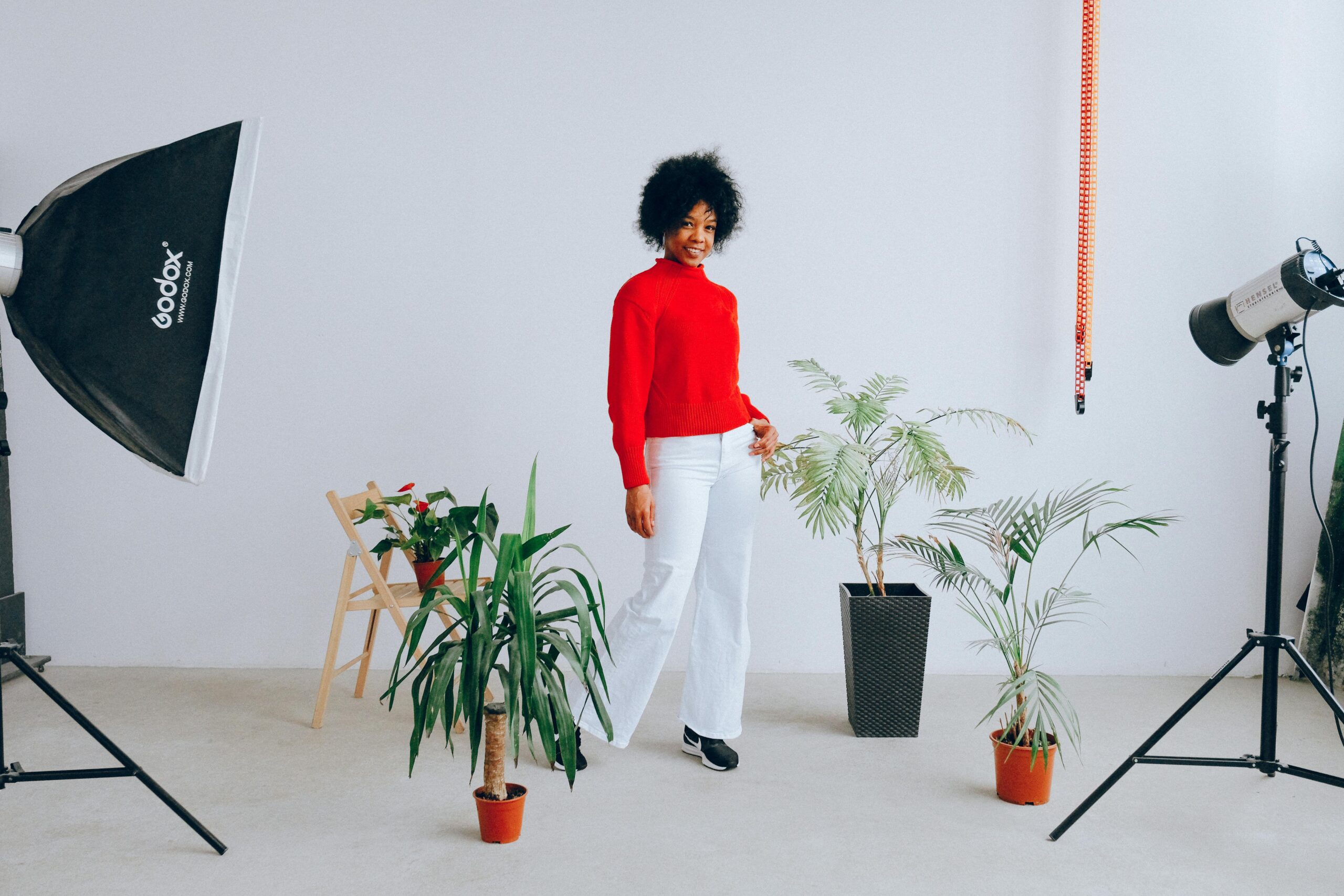
Strategic plant placement transforms rooms from sterile to welcoming while showcasing your green companions at their best. Consider both aesthetic appeal and practical growing conditions when arranging your indoor garden.
Vertical Layering for Visual Impact
Create depth and interest by arranging plants at various heights. Floor-standing specimens anchor corners and frame furniture, while tabletop plants bring greenery to eye level. Hanging planters utilize overhead space beautifully, drawing attention upward and making rooms feel more spacious.
Trailing plants positioned on high shelves or in wall-mounted planters create living curtains of foliage that soften architectural elements. Combine different growth habits—upright, trailing, and bushy—within the same area for dynamic, layered displays that maintain visual interest from every angle.
Color and Texture Coordination
While most medium-light plants feature green foliage, variations in shade, pattern, and leaf structure offer surprising diversity. Variegated plants with cream, white, or yellow markings brighten darker spaces, while deep green varieties create rich, jewel-toned focal points.
Consider leaf shapes and textures when grouping plants. Pair the broad, smooth leaves of Peace Lilies with the textured, pointed foliage of Snake Plants for compelling contrast. Mix glossy and matte finishes to create subtle visual variation that keeps displays interesting.
Functional Room-by-Room Recommendations
Living rooms typically offer excellent medium-light conditions near windows or in corners receiving indirect light. Large statement plants like Monstera or Fiddle Leaf Figs (when acclimated to medium light) create dramatic focal points, while clustered smaller plants on side tables add warmth and personality.
Bedrooms benefit from plants with strong air-purifying qualities. Snake Plants and Peace Lilies release oxygen at night, potentially improving sleep quality while requiring minimal maintenance. Their tolerance for slightly lower light makes them perfect for rooms where blackout curtains might be used regularly.
Home offices become more productive and pleasant with appropriate greenery. Position medium-light plants near your workspace but not directly blocking window light. Pothos trailing from shelves or Snake Plants flanking your desk create a professional yet welcoming environment conducive to focus and creativity.
Troubleshooting Common Medium-Light Plant Challenges 🔍
Even with optimal care, plants occasionally experience issues. Recognizing problems early and understanding their causes enables quick intervention before minor concerns become major setbacks.
Yellowing Leaves and What They Tell You
Yellow leaves signal various potential issues depending on their pattern and location. Lower leaves yellowing naturally occurs as plants age and shed older foliage. However, widespread yellowing often indicates overwatering, particularly if leaves feel soft or stems appear mushy.
Nutrient deficiencies can also cause yellowing, especially in plants that haven’t been fertilized or repotted recently. During the growing season, apply diluted liquid fertilizer monthly to replenish nutrients depleted from the soil over time.
Leggy Growth and Insufficient Light
Plants stretching toward light sources with elongated stems and widely spaced leaves need more illumination. While marketed as medium-light plants, these species still require adequate brightness to maintain compact, attractive growth patterns.
Rotate plants weekly to ensure even light exposure on all sides. If legginess persists, consider relocating the plant closer to a window or supplementing with grow lights. Modern LED grow lights come in attractive designs that blend seamlessly with home decor while providing necessary supplemental illumination.
Pest Prevention and Management
Healthy plants naturally resist pests, but indoor conditions sometimes favor unwanted visitors like spider mites, mealybugs, or fungus gnats. Regular inspection during watering allows early detection when populations are small and easily managed.
Maintain plant health through appropriate watering, adequate humidity, and occasional leaf cleaning to remove dust that blocks light absorption and creates pest-friendly conditions. If pests appear, isolate affected plants immediately and treat with insecticidal soap or neem oil according to product directions.
Advancing Your Medium-Light Plant Collection 🌺
Once you’ve mastered basic care for common varieties, exploring more unusual species adds excitement and depth to your indoor garden. Many exceptional medium-light plants remain underappreciated despite their beauty and adaptability.
Calathea: Living Art with Moving Leaves
Calatheas offer some of the most stunning foliage patterns available in the plant world. Their leaves feature intricate designs in combinations of green, purple, pink, and cream that resemble hand-painted artwork. The added fascination of nyctinastic movement—leaves that fold upward at night—creates dynamic displays that change throughout the day.
These plants require slightly more attentive care than beginner varieties, preferring consistent moisture and higher humidity. However, their visual impact rewards the extra effort, making them prized specimens for dedicated plant enthusiasts seeking something extraordinary.
Chinese Evergreen: Understated Elegance
Chinese Evergreens combine easy care with sophisticated beauty. Their lance-shaped leaves display silver, pink, or red patterns depending on the cultivar. These plants tolerate low to medium light conditions exceptionally well while maintaining vibrant coloration.
Slow-growing and compact, Chinese Evergreens suit smaller spaces without overwhelming decor. Their tolerance for neglect makes them excellent choices for busy individuals or frequent travelers who want beautiful plants without demanding care schedules.
Peperomia: Compact Variety in Miniature
The Peperomia genus encompasses hundreds of species with remarkable diversity in leaf shape, color, and texture. From the rippled leaves of Peperomia caperata to the trailing stems of Peperomia prostrata, there’s a perfect variety for every space and preference.
These compact plants rarely exceed twelve inches in height, making them ideal for limited spaces, terrariums, or creating varied displays with multiple cultivars. Their succulent-like leaves store water efficiently, requiring infrequent watering and tolerating occasional drought.
Embracing the Journey of Indoor Gardening Success
Building a thriving collection of medium-light plants transforms living spaces into vibrant, healthy environments that nurture both plants and people. The key to success lies in understanding your specific conditions, selecting appropriate plants, and developing attentive care routines that become second nature over time.
Start with proven performers that forgive beginner mistakes while you develop your plant care intuition. Observe how plants respond to your care, learning to read their signals and adjust your approach accordingly. Each plant develops its own personality and requirements, making the journey continually engaging and rewarding.
Remember that plant care is not about perfection but rather about creating sustainable routines that work with your lifestyle. Medium-light plants offer exceptional flexibility, adapting to various conditions while providing beauty, improved air quality, and the psychological benefits of connecting with nature indoors.
As your confidence and collection grow, experiment with new varieties, try different styling approaches, and share your passion with others. The plant community is welcoming and generous, offering endless resources, support, and opportunities to learn. Your journey with medium-light plants opens doors to a lifelong hobby that enriches your environment and enhances your daily life in countless meaningful ways.