Creating a harmonious living space goes beyond furniture and decor—it’s about understanding how light and nature work together. Plants bring life, color, and fresh air to our homes, but their success depends entirely on matching them with the right lighting conditions.

Whether you’re a seasoned plant parent or just starting your indoor garden journey, understanding the relationship between plants and light is crucial. Each room in your home offers unique lighting conditions, and knowing which plants thrive in these environments can transform your space from ordinary to extraordinary. This comprehensive guide will help you navigate the world of indoor plants and lighting, ensuring every corner of your home flourishes with vibrant greenery.
🌿 Understanding Light Requirements for Indoor Plants
Before diving into specific room recommendations, it’s essential to understand what plants need from their light sources. Light intensity, duration, and quality all play critical roles in plant health and growth. Natural light varies throughout the day and across seasons, while artificial lighting offers consistent but often limited spectrum coverage.
Plants are typically categorized by their light requirements: low light, medium light, and bright light. Low-light plants can survive in areas receiving minimal natural light, often up to 50-150 foot-candles. Medium-light plants thrive in spaces with filtered sunlight or indirect bright light, typically 150-500 foot-candles. Bright-light plants need direct or very bright indirect sunlight, requiring 500+ foot-candles to flourish.
The Science Behind Plant Photosynthesis and Light
Photosynthesis is the magical process that keeps plants alive and thriving. Through this process, plants convert light energy into chemical energy, producing the glucose they need for growth. The quality of light matters significantly—plants primarily use red and blue wavelengths from the light spectrum, which is why specialized grow lights focus on these colors.
Natural sunlight provides the full spectrum of light that plants love, but not all rooms receive equal amounts. South-facing windows typically offer the most intense light in the Northern Hemisphere, while north-facing windows provide the gentlest, most consistent light throughout the day. East-facing windows deliver soft morning sun, and west-facing windows bring intense afternoon light.
☀️ Bright and Sunny Spaces: Plants for High-Light Rooms
Rooms flooded with natural light are perfect for sun-loving plants. These spaces typically include rooms with large south or west-facing windows, sunrooms, or conservatories. If you’re fortunate enough to have these bright spots in your home, you can grow a wide variety of stunning plants that would struggle elsewhere.
Best Plants for Direct Sunlight
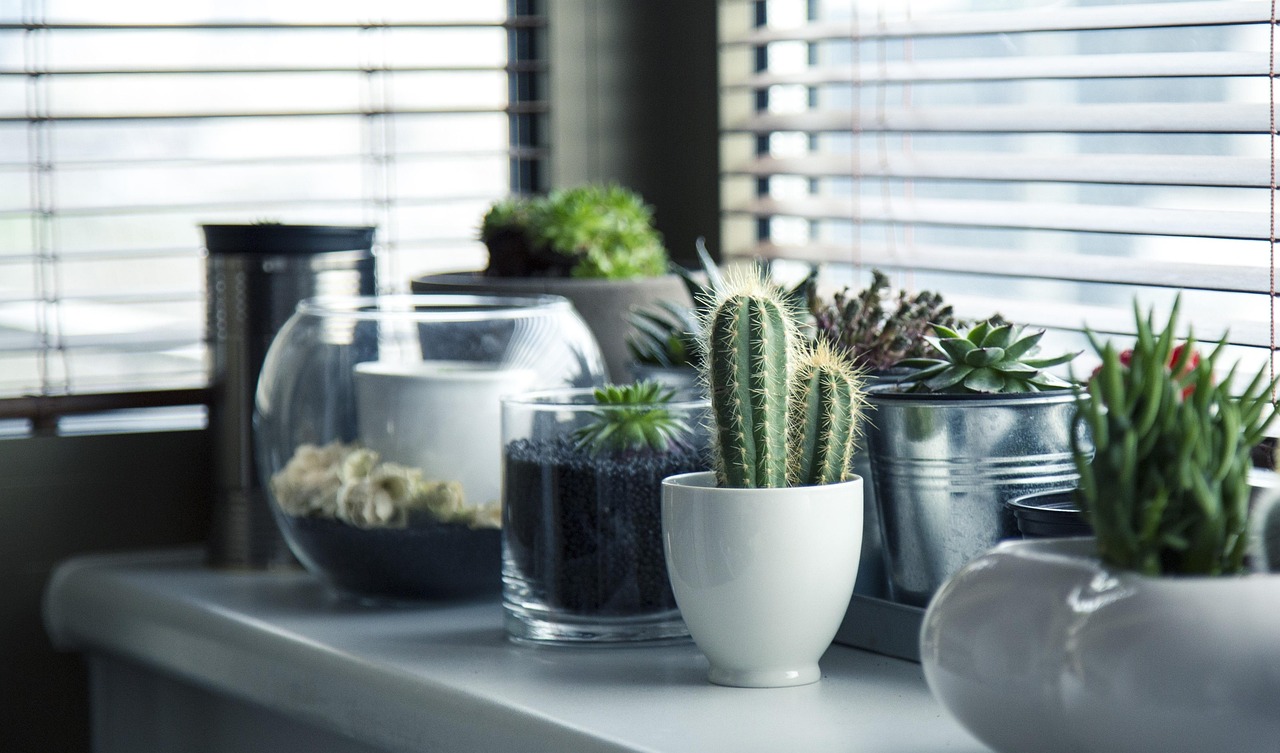
Cacti and succulents are the obvious champions of bright spaces. Varieties like Echeveria, Jade plants, and Aloe Vera not only tolerate direct sun but actually require it to maintain their compact shape and vibrant colors. These drought-resistant beauties are perfect for sunny windowsills and require minimal maintenance beyond proper drainage.
Fiddle Leaf Figs have become Instagram favorites for good reason—they make dramatic statements in bright living rooms and home offices. These tropical trees love bright, filtered light and can grow quite tall with proper care. Place them near a sunny window with a sheer curtain to protect their leaves from scorching while still providing ample light.
Croton plants offer spectacular multicolored foliage in shades of red, orange, yellow, and green. These tropical showstoppers demand bright light to maintain their vibrant leaf colors. Without sufficient light, their leaves fade to predominantly green, losing their signature rainbow appeal.
Creating Balance in Sun-Drenched Rooms
Even sun-loving plants can suffer from excessive heat and light intensity during peak summer months. Consider using sheer curtains or blinds to diffuse harsh afternoon sun, especially for plants positioned directly in window paths. Rotate your plants regularly to ensure even growth on all sides, as plants naturally lean toward their light source.
🏡 Medium-Light Areas: The Versatile Middle Ground
Most homes offer plenty of medium-light locations—areas near windows but not in direct sun, or rooms with good natural light but no direct beam exposure. These versatile spaces can accommodate the widest variety of houseplants, giving you maximum flexibility in your plant choices.
Perfect Plants for Filtered Light
Monstera Deliciosa, also known as the Swiss Cheese Plant, thrives in bright, indirect light. Its dramatic split leaves create architectural interest in living rooms and bedrooms. These climbing plants appreciate a moss pole or trellis and can become magnificent focal points with proper support and care.
Pothos varieties are among the most forgiving and adaptable houseplants available. Golden Pothos, Marble Queen, and Neon Pothos all handle medium light beautifully while tolerating occasional low-light conditions. Their trailing vines look stunning cascading from shelves, hanging baskets, or climbing up walls using aerial roots.
Peace Lilies offer elegant white blooms and glossy green foliage in medium-light conditions. These plants actually signal when they need water by dramatically drooping their leaves, making them excellent choices for beginners. They also rank highly as air-purifying plants, removing toxins from indoor environments.
Styling Medium-Light Spaces
Medium-light areas offer creative opportunities for plant arrangements. Consider creating plant clusters at varying heights to add dimension and interest. Use plant stands, hanging planters, and wall-mounted options to maximize space while ensuring each plant receives adequate light exposure.
🌙 Low-Light Champions: Plants for Dimmer Spaces
Contrary to popular belief, no plant truly thrives in complete darkness—all plants need some light for photosynthesis. However, certain hardy species have adapted to forest floor conditions where sunlight is filtered through thick canopy layers. These low-light champions are perfect for hallways, bathrooms, bedrooms, and rooms with small or north-facing windows.
Top Performers in Low-Light Conditions
Snake Plants (Sansevieria) are nearly indestructible and tolerate low light better than most houseplants. Their striking vertical leaves come in various patterns and colors, from deep green with yellow edges to silvery-blue varieties. Snake Plants also convert CO2 to oxygen at night, making them ideal bedroom companions.
ZZ Plants (Zamioculcas zamiifolia) have thick, waxy leaves that store water, allowing them to survive both low light and neglectful watering schedules. Their glossy foliage reflects available light, brightening dim corners. ZZ Plants grow slowly but steadily, eventually forming impressive clusters of upright stems.
Cast Iron Plants (Aspidistra elatior) earned their common name through their remarkable resilience. These Victorian-era favorites survive in dark corners, temperature fluctuations, and irregular watering. Their broad, dark green leaves create lush texture in low-light entryways and hallways.
Maximizing Growth in Low-Light Environments
Even shade-tolerant plants benefit from strategies that maximize available light. Paint walls in light colors to reflect and amplify natural light throughout the room. Position plants as close to windows as possible, even if those windows are small or north-facing. Clean plant leaves regularly to remove dust that blocks light absorption.
💡 Supplementing with Artificial Lighting
When natural light is insufficient, artificial lighting can bridge the gap. Modern LED grow lights have revolutionized indoor gardening, making it possible to grow plants virtually anywhere. These energy-efficient lights provide the specific wavelengths plants need without generating excessive heat.
Types of Grow Lights and Their Applications
Full-spectrum LED grow lights mimic natural sunlight and work well for most houseplants. They’re available in various styles, from bulbs that fit standard fixtures to specialized panels and strips. Position these lights 6-12 inches above foliage for low-light plants and 12-24 inches for plants with higher light requirements.
Fluorescent lights offer an affordable alternative for small plant collections. T5 and T8 fluorescent tubes provide adequate light for seedlings, herbs, and low-to-medium light plants. While less energy-efficient than LEDs, they remain popular for their low initial cost and widespread availability.
Creating Stylish Solutions with Plant Lights
Today’s grow lights aren’t the industrial eyesores of the past. Many manufacturers create aesthetically pleasing fixtures that double as decorative elements. Look for stylish floor lamps with integrated grow lights, pendant lights designed for plants, or discrete LED strips that tuck behind shelves.
🛏️ Room-by-Room Plant and Lighting Guide
Living Room: The Social Hub
Living rooms typically offer varied lighting conditions, from bright window spots to darker corners. Use statement plants like Fiddle Leaf Figs or Bird of Paradise near windows, medium-light plants like Monsteras on side tables, and Snake Plants or ZZ Plants in darker corners. Layer plants at different heights to create visual interest without overwhelming the space.
Bedroom: Your Personal Sanctuary
Bedrooms benefit from calming, air-purifying plants that tolerate lower light levels. Snake Plants, Pothos, and Peace Lilies all work beautifully on nightstands or dressers. Avoid heavily fragrant plants in sleeping areas, as strong scents can disrupt sleep for sensitive individuals. Consider plants with rounded, soft leaves to maintain the room’s peaceful atmosphere.
Kitchen: Herbs and Edibles
Kitchens with sunny windows are ideal for growing fresh herbs year-round. Basil, cilantro, parsley, and mint all appreciate bright light and convenient access to water. Use windowsill planters or hanging pots to maximize space. If your kitchen lacks natural light, install under-cabinet LED grow lights to support herb growth.
Bathroom: Tropical Paradise
Bathrooms offer unique conditions—high humidity and often limited natural light. Ferns, especially Boston Ferns and Maidenhair Ferns, love bathroom humidity. If you have a bright bathroom, consider orchids, which thrive in humid environments. For windowless bathrooms, choose Snake Plants or Pothos and supplement with grow lights.
Home Office: Productivity Boosters
Studies show that plants in workspaces increase productivity and reduce stress. Choose low-maintenance plants that won’t distract from work tasks. Desk-sized options include small Pothos, succulents, or air plants. Position larger plants like Rubber Trees or Dracaenas near windows to soften the space without cluttering the work surface.
📅 Seasonal Lighting Adjustments
Light conditions change dramatically with seasons, especially in regions far from the equator. Winter brings shorter days and lower light intensity, while summer offers abundant but potentially harsh light. Adjust your plant care routine seasonally to maintain healthy growth year-round.
Winter Light Management
During winter months, move plants closer to windows to compensate for reduced light intensity and duration. Rotate plants more frequently to ensure even light exposure. Consider supplementing with grow lights on timers, providing 12-14 hours of light daily. Reduce watering and fertilizing, as most plants grow more slowly in winter.
Summer Light Protection
Summer’s intense sun can scorch leaves, especially on plants accustomed to lower light levels. Move sensitive plants slightly away from south and west-facing windows, or add sheer curtains for protection. Increase watering frequency as higher light levels and temperatures cause faster soil drying. This is also the ideal time to fertilize, supporting active growth.
🌱 Troubleshooting Common Light-Related Problems
Plants communicate their lighting needs through visible signals. Learning to read these signs helps you adjust conditions before serious damage occurs. Yellowing leaves, leggy growth, and leaf drop all provide clues about whether your plant receives appropriate light.
Signs of Insufficient Light
Leggy, stretched growth with large gaps between leaves indicates a plant reaching desperately for light. Leaves may become smaller and paler than normal. Variegated plants often lose their patterns, reverting to solid green as they prioritize chlorophyll production over decorative pigments. Lower leaves yellow and drop as the plant focuses energy on new growth closer to available light.
Signs of Excessive Light
Scorched, brown patches on leaves, especially on surfaces facing light sources, signal too much direct sun. Leaves may curl under or develop a bleached, washed-out appearance. Soil dries out rapidly, requiring frequent watering. Some plants respond to excessive light by developing red or purple tints as they produce protective pigments.
🎨 Creating Light-Based Plant Groupings
Grouping plants with similar light requirements simplifies care while creating visually appealing arrangements. Microclimate benefits emerge when plants are clustered together—increased humidity, shared light reflection, and aesthetic cohesion all improve overall plant health and visual impact.
In bright windows, create desert landscapes with cacti and succulents in shallow containers. Mix textures and heights, combining columnar cacti with spreading sedums and trailing String of Pearls. For medium-light areas, group tropical foliage plants with varying leaf shapes—pair broad Philodendron leaves with delicate Ferns and upright Dracaenas.
Transform a dim corner into a lush, jungle-like retreat by clustering shade-tolerant plants of different heights. Use a tall Snake Plant or ZZ Plant as an anchor, surrounded by medium-height Pothos on stands and small peace lilies at ground level. Add a grow light on a timer to ensure adequate illumination for this statement grouping.
✨ Bringing It All Together: Your Personalized Plant Lighting Strategy
Successfully pairing plants with perfect lighting requires observation, patience, and willingness to adjust. Start by assessing your space’s natural light patterns throughout the day and across seasons. Use a light meter app on your smartphone to measure actual light levels if you want precise data for plant selection.
Begin with easy, forgiving plants that tolerate a range of conditions. Pothos, Snake Plants, and ZZ Plants all adapt to various light levels, giving you confidence as you learn. Gradually introduce more specific plants as you understand your home’s unique lighting conditions and develop your plant care skills.
Remember that plant care is an ongoing journey rather than a destination. Plants grow, light patterns shift, and your preferences evolve. Stay flexible and attentive to your plants’ signals. Move them when they seem unhappy, experiment with different locations, and don’t fear occasional failures—even experienced plant parents lose plants sometimes.
By thoughtfully matching plants with appropriate lighting in each room, you create a vibrant, living environment that benefits both your space and your wellbeing. The right plant in the right light doesn’t just survive—it thrives, bringing natural beauty, improved air quality, and a sense of connection to nature into your everyday life. Your home becomes a brighter, more welcoming sanctuary where both you and your green companions flourish together. 🌿