
Creating the perfect balcony atmosphere starts with understanding light exposure. Whether you’re sipping morning coffee or hosting evening gatherings, mastering how sunlight interacts with your outdoor space transforms ordinary moments into extraordinary experiences.

Your balcony’s light exposure affects everything from plant selection to furniture durability, temperature comfort, and overall usability throughout the day. Understanding these dynamics empowers you to design a space that truly works for your lifestyle while maximizing both functionality and aesthetic appeal.
🌅 Understanding Your Balcony’s Light Patterns
Before making any design decisions, you need to comprehend your balcony’s unique light characteristics. Different orientations receive varying amounts of sunlight throughout the day, dramatically influencing how you can utilize the space.
North-facing balconies typically receive indirect, softer light that remains consistent throughout the day. These spaces rarely get direct sunlight, making them ideal for shade-loving plants and comfortable seating areas that won’t overheat during summer months.
South-facing balconies enjoy the most abundant sunlight, receiving direct rays for the majority of daylight hours. While this creates wonderful warmth and brightness, it also requires strategic planning to manage intense heat and potential glare, especially during peak summer afternoons.
East-facing balconies capture beautiful morning sunlight, perfect for breakfast nooks and energizing spaces. The gentle morning rays are less intense than afternoon sun, providing warmth without overwhelming heat as the day progresses into cooler afternoon shade.
West-facing balconies receive afternoon and evening sun, which can be both a blessing and a challenge. These spaces benefit from stunning sunset views but may experience intense heat during late afternoon hours that requires thoughtful management through shading solutions.
Tracking Sunlight Exposure Throughout Seasons
Seasonal variations significantly impact your balcony’s light exposure patterns. The sun’s angle changes dramatically between winter and summer, affecting both the quantity and intensity of light your outdoor space receives.
During summer months, the sun travels higher across the sky, creating more direct overhead light and potentially less shade from building overhangs. This increased exposure means brighter, hotter conditions that may require additional cooling strategies and UV protection for both furnishings and occupants.
Winter brings a lower sun angle, which can actually increase direct light penetration into your balcony space, even for orientations that receive limited summer sun. This seasonal shift offers opportunities to enjoy warmer, sunlit areas during cooler months when outdoor heat is welcome rather than overwhelming.
Understanding these seasonal patterns helps you plan flexible design solutions that adapt throughout the year. Consider adjustable shading options, movable furniture arrangements, and seasonal plant rotations that respond to changing light conditions for year-round balcony enjoyment.
☀️ Managing Intense Direct Sunlight
Excessive sun exposure can make your balcony uncomfortably hot and damage furniture, fabrics, and plants. Implementing effective sun management strategies protects your investment while maintaining a usable, comfortable outdoor living space.
Strategic Shading Solutions
Retractable awnings offer the ultimate flexibility, allowing you to control shade coverage based on weather conditions and time of day. Choose fade-resistant, waterproof fabrics that withstand prolonged sun exposure while providing substantial UV protection for the space beneath.
Shade sails create modern, architectural interest while effectively blocking harsh sunlight from specific zones. Their angled installation allows air circulation underneath, preventing heat buildup while adding visual drama to your balcony design scheme.
Pergolas with adjustable louvers give you precise control over light filtration. These sophisticated structures allow you to angle slats throughout the day, following the sun’s path to maintain optimal shade coverage while preserving views and airflow.
Outdoor curtains and drapes provide soft, elegant sun control that’s easily adjusted. Select outdoor-rated fabrics designed to resist mildew, fading, and weather damage while offering privacy and light diffusion that creates intimate, comfortable gathering spaces.
Cooling Strategies for Sun-Drenched Spaces
Strategic plant placement creates natural cooling through evapotranspiration and shade provision. Tall potted trees, climbing vines on trellises, and lush vertical gardens reduce ambient temperature while adding living beauty to your outdoor environment.
Light-colored surfaces reflect rather than absorb heat, significantly reducing surface temperatures on floors, walls, and furniture. Choose pale tiles, painted finishes, and light-toned furnishings that remain cooler to touch even during peak sun exposure.
Misting systems provide immediate cooling relief on hot days, reducing ambient temperature through evaporative cooling. These systems integrate discreetly into balcony structures, offering refreshing relief without overwhelming water usage or creating puddles.
Portable outdoor fans improve air circulation, preventing hot air stagnation that makes sunny balconies unbearable. Battery-operated or solar-powered options eliminate extension cord hazards while providing cooling comfort exactly where needed most.
🌿 Maximizing Limited Light Exposure
Balconies with minimal direct sunlight present different challenges that require creative approaches to enhance available light and create vibrant, usable outdoor spaces despite shade limitations.
Reflective Surfaces and Light Enhancement
Mirrors strategically positioned on balcony walls bounce available light throughout the space, creating brighter, more open environments. Outdoor-rated mirrors resist moisture damage while doubling visual space and amplifying whatever natural light reaches your balcony.
Light-colored walls and floors maximize light reflection, brightening shaded spaces naturally. White, cream, and pale gray surfaces act as light multipliers, capturing and dispersing ambient light to create surprisingly bright environments even without direct sun.
Metallic and glossy finishes on planters, furniture accents, and decorative elements catch and reflect light dynamically. These strategic highlights add sparkle and movement to shaded balconies, preventing them from feeling dull or cave-like.
Glass furniture and transparent materials allow light to pass through rather than creating additional shadows. Acrylic chairs, glass-topped tables, and clear planters maintain openness while reducing visual weight in light-challenged spaces.
Shade-Tolerant Design Choices
Selecting appropriate plants for low-light conditions ensures lush greenery even without abundant sunlight. Ferns, hostas, impatiens, and shade-loving tropicals thrive in reduced light, creating verdant balcony gardens that flourish despite limited sun exposure.
Incorporating artificial lighting extends usability into evening hours while compensating for daytime shade. String lights, lanterns, wall sconces, and LED strips create ambiance and functional illumination that transforms shaded balconies into magical nighttime retreats.
Choosing appropriate color schemes brightens shaded spaces psychologically. Warm yellows, vibrant whites, and cheerful accent colors prevent dim balconies from feeling dreary while creating inviting atmospheres that draw you outdoors regardless of limited natural light.
🪴 Plant Selection Based on Light Conditions
Matching plants to your balcony’s specific light exposure ensures thriving greenery that enhances rather than struggles in your outdoor environment. Understanding plant light requirements prevents disappointment and creates lush, healthy balcony gardens.
Full Sun Balcony Plants
Mediterranean herbs like rosemary, lavender, and thyme flourish in intense sunlight while offering culinary utility and aromatic beauty. These drought-tolerant plants handle heat exceptionally well, requiring minimal maintenance while providing sensory richness.
Succulents and cacti thrive in bright, hot conditions, storing water efficiently to withstand periods between watering. Their architectural forms add sculptural interest while requiring remarkably little care, perfect for busy balcony gardeners.
Sun-loving annuals including petunias, marigolds, and zinnias provide continuous colorful blooms throughout warm months. These enthusiastic performers reward full sun exposure with abundant flowers that brighten your outdoor living space dramatically.
Vegetable plants such as tomatoes, peppers, and cucumbers require substantial sunlight to produce abundant harvests. Full-sun balconies offer ideal conditions for productive edible gardens that provide fresh produce steps from your kitchen.
Shade and Partial Shade Options
Begonias, coleus, and fuchsias deliver vibrant color in shaded conditions where sun-lovers would struggle. These shade-adapted plants create lush, colorful displays that prove limited light doesn’t mean limited beauty or vibrancy.
Foliage plants including ferns, hostas, and caladiums offer textural interest and varied leaf patterns that shine in lower light. These plants create sophisticated, garden-like atmospheres without requiring flowering conditions to make visual impact.
Climbing shade vines such as English ivy, Virginia creeper, and climbing hydrangea transform vertical surfaces into living walls. These plants adapt well to limited light while providing privacy, cooling effects, and lush green backdrops.
Furniture and Material Selection for Light Conditions
Your balcony’s light exposure should directly influence furniture and material choices. Different levels of sun exposure cause varying rates of fading, deterioration, and heat absorption that affect comfort and longevity.
UV-resistant fabrics protect outdoor cushions and textiles from sun damage in high-exposure balconies. Solution-dyed acrylics and specialized outdoor fabrics maintain color vibrancy and structural integrity despite prolonged sunlight exposure.
Metal furniture heats significantly in direct sun, becoming uncomfortable to touch during peak exposure times. If choosing metal pieces for sunny balconies, select light colors that absorb less heat and provide cushioning that insulates skin from hot surfaces.
Wood furniture requires proper sealing and treatment to withstand both sun exposure and moisture. Teak, cedar, and eucalyptus naturally resist weather damage, while regular maintenance with appropriate sealants extends longevity regardless of wood type.
Synthetic wicker and resin materials offer excellent weather resistance across all light conditions. These low-maintenance options resist fading, cracking, and moisture damage while providing comfort and style that complements various design aesthetics.
🎨 Creating Ambiance Through Lighting Design
Artificial lighting extends your balcony’s usability beyond daylight hours while establishing mood and atmosphere. Thoughtful lighting design transforms outdoor spaces into enchanting evening destinations that rival any interior room.
Layered Lighting Approaches
Ambient lighting provides overall illumination that makes the space functional after dark. Overhead fixtures, wall sconces, or ceiling-mounted lights create baseline visibility while establishing the space’s general brightness level.
Task lighting focuses on specific activity areas like dining tables, reading nooks, or cooking zones. Directional fixtures ensure adequate brightness for specific tasks without over-lighting the entire balcony unnecessarily.
Accent lighting highlights architectural features, plants, or decorative elements, adding depth and visual interest. Uplights beneath trees, spotlights on textured walls, or illuminated planters create dramatic nighttime landscapes.
Decorative lighting including string lights, lanterns, and candles establishes ambiance and personality. These elements provide soft, flattering illumination that creates intimate, welcoming atmospheres perfect for relaxation and entertaining.
Smart Lighting Solutions
Solar-powered lights eliminate wiring concerns while providing eco-friendly illumination. Modern solar fixtures offer surprisingly bright output with automatic dusk-to-dawn operation that requires zero electricity consumption.
Battery-operated LED lights provide flexibility in placement without electrical limitations. Long-lasting LED technology means infrequent battery changes while delivering consistent, bright illumination wherever needed most.
Smart bulbs and connected lighting systems allow remote control and scheduling from your smartphone. Program lighting scenes for different occasions, adjust brightness and color temperature, and automate on-off schedules for effortless outdoor lighting management.
Temperature Management Across Different Exposures
Light exposure directly correlates with temperature variations that affect comfort and usability. Understanding these relationships enables strategic design decisions that maintain pleasant conditions throughout changing weather and seasons.
Morning sun balconies often provide the most comfortable temperatures, warming gradually as the day begins without reaching extreme heat levels. These spaces naturally transition from cool to comfortable, perfect for breakfast areas and morning routines.
Afternoon sun exposure creates the hottest conditions, particularly on west-facing balconies during summer months. These spaces require substantial shading, cooling strategies, and heat-resistant materials to remain comfortably usable during peak temperature hours.
Shaded balconies maintain cooler temperatures that feel refreshing during summer but potentially chilly during cooler seasons. Adding heat sources like outdoor heaters or fire features extends usability when ambient temperatures drop uncomfortably low.
Privacy Considerations and Light Balance
Creating privacy often involves adding structures or plants that impact light exposure. Balancing these competing needs requires thoughtful planning that addresses both concerns without sacrificing either completely.
Translucent privacy screens filter light while obscuring views, providing privacy without creating complete darkness. Frosted panels, perforated metals, and lattice designs maintain airflow and light penetration while establishing visual barriers.
Strategic plant placement creates living privacy walls that improve with growth over time. Bamboo, tall grasses, and columnar evergreens screen sightlines while allowing filtered light to reach your balcony space naturally.
Adjustable privacy solutions like outdoor roller shades or sliding panels offer flexibility to control both light and visibility based on changing needs throughout the day and different usage scenarios.
🌤️ Weather Protection and Light Management
Weather protection structures that shield from rain and wind inevitably affect light exposure. Designing integrated solutions addresses multiple environmental factors simultaneously for truly functional outdoor living spaces.
Transparent or translucent roofing materials provide weather protection while maintaining brightness. Polycarbonate panels, clear corrugated roofing, and glass canopies shield from precipitation without creating dark, enclosed feelings.
Retractable weather protection offers flexibility to expose your balcony to open sky during pleasant conditions while providing coverage when needed. This adaptability maximizes both light exposure and weather protection based on current conditions.
Side panels and wind barriers protect from lateral weather elements while allowing overhead light. These targeted protections address specific exposure challenges without unnecessarily blocking beneficial sunlight from above.
Seasonal Adjustments for Optimal Year-Round Use
Adapting your balcony setup seasonally maximizes comfort and usability across changing light conditions and temperatures. Flexible design approaches accommodate these variations without requiring complete overhauls.
Summer configurations emphasize shade provision, cooling strategies, and UV protection. Extend awnings, add outdoor curtains, incorporate more plants for natural cooling, and arrange furniture to maximize shaded seating areas.
Winter arrangements focus on capturing available warmth and light. Retract shading devices to welcome sun exposure, add weather protection from wind, incorporate heating elements, and position furniture in sunny zones.
Spring and fall transitions offer opportunities to adjust between extremes. Moderate these shoulder seasons by fine-tuning shade coverage, updating plant selections, and balancing protection with openness based on current weather patterns.
Maximizing Sunset and Sunrise Views
East and west-facing balconies offer spectacular sunrise and sunset opportunities that deserve design consideration. Optimizing these magical lighting moments enhances your outdoor experience dramatically while celebrating natural beauty.
Unobstructed sight lines toward the horizon ensure you capture the full drama of sunrise or sunset colors. Arrange furniture to face these views, minimize visual barriers, and create comfortable observation points for enjoying these daily spectacles.
Reflective water features amplify sunset and sunrise colors through mirrored reflections. Even small tabletop fountains or reflective bowls capture and multiply these fleeting color displays beautifully.
Photography and observation equipment holders create dedicated spots for capturing or viewing these moments. Simple tripod positions or binocular storage make spontaneous enjoyment of dramatic light shows more convenient and likely.
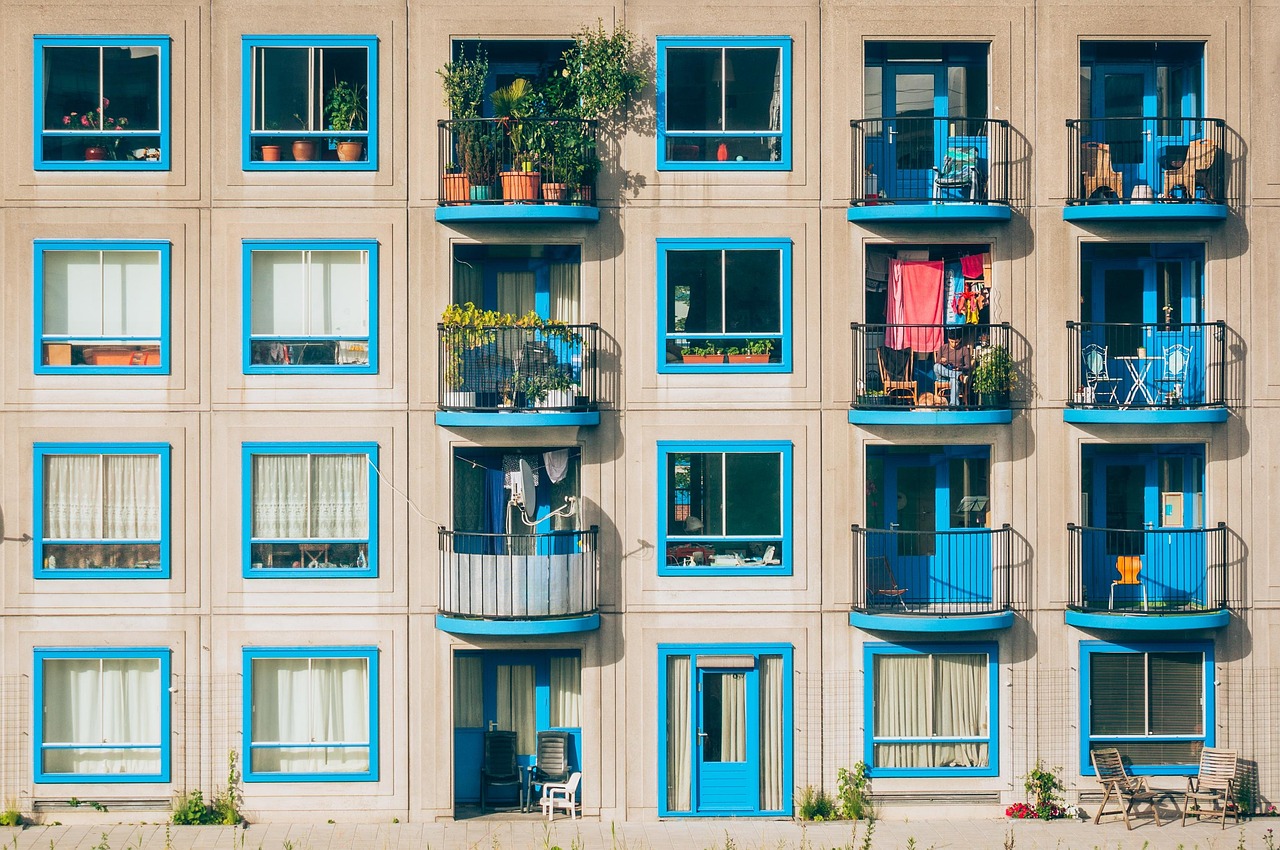
Transforming Your Balcony Into an All-Day Destination ✨
Mastering light exposure transforms your balcony from an underutilized afterthought into a vibrant extension of your living space. By understanding your specific conditions and implementing strategic solutions, you create outdoor environments that serve different needs throughout the day.
The perfect balcony balances sun and shade, warmth and cooling, brightness and comfort in proportions that match your lifestyle and preferences. These personalized adjustments ensure your outdoor space remains inviting and functional regardless of time, season, or weather conditions.
Whether you’re cultivating lush gardens, entertaining guests, enjoying quiet morning coffee, or unwinding with evening cocktails, proper light management establishes the foundation for all these experiences. Your balcony becomes a true outdoor room that enriches daily life through thoughtful design that works with rather than against natural light patterns.
Start by observing your balcony’s unique characteristics, experiment with different solutions, and refine your approach based on what works best for your specific situation. The investment in understanding and optimizing light exposure pays dividends in comfort, beauty, and enjoyment for years to come.