Watering your plants might seem straightforward, but mastering seasonal adjustments can transform struggling greenery into a lush, vibrant garden that flourishes throughout the year.

Every gardener knows that water is essential for plant survival, yet few understand how dramatically watering needs shift with the seasons. Temperature fluctuations, humidity changes, daylight variations, and plant growth cycles all demand different approaches to irrigation. Whether you’re nurturing houseplants, maintaining an outdoor garden, or cultivating a greenhouse sanctuary, adapting your watering routine to seasonal rhythms is the secret to unlocking your plants’ full potential and preventing common problems like root rot, wilting, and nutrient deficiencies.
🌱 Understanding Why Seasonal Watering Matters
Plants are living organisms that respond dynamically to their environment. During warmer months, increased temperatures and longer daylight hours accelerate photosynthesis and transpiration, causing plants to consume water more rapidly. Conversely, winter’s shorter days and cooler temperatures slow metabolic processes, dramatically reducing water requirements. Failing to adjust your watering schedule accordingly can lead to overwatering during dormant periods or underwatering during peak growing seasons.
The consequences of improper seasonal watering extend beyond wilted leaves. Overwatered plants during winter can develop root rot, fungal diseases, and nutrient leaching, while underwatered summer plants experience stunted growth, premature flowering, and increased susceptibility to pests. Understanding these seasonal dynamics empowers you to provide precisely what your plants need, when they need it.
Spring Awakening: Gradually Increasing Water Supply
As temperatures rise and daylight extends, plants emerge from winter dormancy with renewed vigor. Spring represents a transitional period where watering frequency should gradually increase to support new growth without overwhelming still-developing root systems.
Early Spring Strategies
Begin by checking soil moisture levels more frequently as temperatures climb above 50°F (10°C). The top inch of soil should dry out between waterings for most plants. During early spring, morning watering becomes particularly important, allowing foliage to dry before cooler evening temperatures arrive, reducing fungal disease risks.
Monitor your plants for signs of increased activity such as new leaf buds, shoot emergence, and accelerated growth. These indicators signal that your plants are ready for more consistent moisture. For outdoor gardens, natural rainfall may provide adequate hydration during early spring, requiring only supplemental watering during dry spells.
Late Spring Adjustments
As spring progresses into late May and early June in most climates, watering frequency should increase substantially. Established perennials, actively growing annuals, and vegetable gardens may require watering every 2-3 days, depending on soil type and weather conditions. Container plants, which dry out faster than in-ground plantings, often need daily attention as temperatures rise.
This period is ideal for implementing deep watering techniques that encourage roots to grow downward, creating drought-resistant plants for the hot summer ahead. Water thoroughly until moisture penetrates 6-8 inches into the soil rather than frequent shallow watering that promotes surface root development.
☀️ Summer Hydration: Meeting Peak Water Demands
Summer presents the greatest watering challenge, with high temperatures, intense sunlight, and rapid evaporation combining to stress plants significantly. Your watering routine during these months can make the difference between a thriving garden and a struggling one.
Optimal Summer Watering Times
Early morning watering (between 5 AM and 9 AM) remains the gold standard during summer months. This timing allows water to penetrate soil before heat intensifies, minimizes evaporation losses, and ensures foliage dries quickly, preventing fungal issues. Evening watering is acceptable as a second choice but may leave plants damp overnight, increasing disease susceptibility.
Avoid midday watering when possible, as water droplets on leaves can act as magnifying glasses, causing leaf scorch. Additionally, evaporation rates peak during midday hours, meaning much of your irrigation effort is literally wasted into the atmosphere.
Frequency and Volume Adjustments
Most gardens require watering every 1-2 days during peak summer heat, though this varies based on plant type, soil composition, and local climate. Sandy soils drain rapidly and need more frequent watering, while clay soils retain moisture longer but require careful monitoring to prevent waterlogging.
Container gardens often need twice-daily watering during extreme heat waves. Hanging baskets, with their limited soil volume and increased air exposure, may even require three daily waterings. Consider grouping containers together to create a microclimate that reduces individual water stress.
Water Conservation Techniques
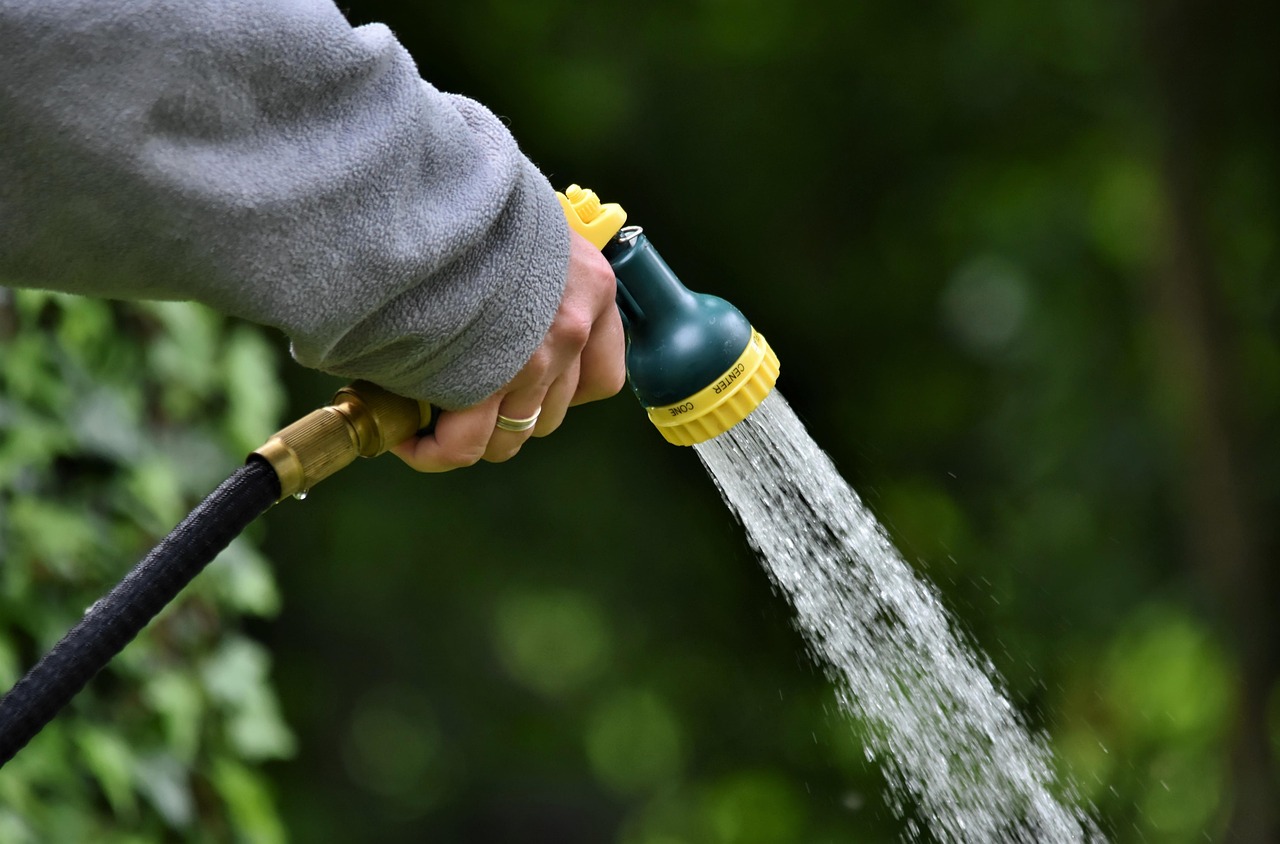
Mulching becomes essential during summer months, reducing soil temperature, minimizing evaporation, and maintaining consistent moisture levels. Apply 2-4 inches of organic mulch around plants, keeping it away from stems to prevent rot. Drip irrigation and soaker hoses deliver water directly to root zones with minimal waste, making them ideal for water-conscious gardeners.
🍂 Autumn Transition: Preparing Plants for Dormancy
As summer transitions into fall, decreasing temperatures and shorter days signal plants to slow growth and prepare for winter. Your watering routine should mirror this natural slowdown, gradually reducing frequency while ensuring plants enter dormancy well-hydrated.
Early Autumn Practices
September and early October (in northern hemisphere temperate zones) still feature active plant growth, particularly for cool-season vegetables and fall-blooming perennials. Maintain regular watering for these plants while beginning to reduce irrigation for summer annuals and warm-season crops that are naturally declining.
This period offers an excellent opportunity to establish new plantings, which require consistent moisture to develop strong root systems before winter. Water transplants and divisions thoroughly, then maintain moderate moisture levels throughout autumn.
Late Autumn Wind-Down
As temperatures drop and frost approaches, most plants require significantly less water. Reduce watering frequency by half compared to summer schedules, but don’t eliminate irrigation entirely. Deep watering before the first hard freeze helps plants withstand winter stress, as hydrated cells are less susceptible to freeze damage than dehydrated ones.
For container plants transitioning indoors, gradually reduce watering over several weeks to help them adjust to lower light conditions and reduced growth rates. This prevents the shock of simultaneous environmental and watering changes.
❄️ Winter Watering: The Often-Overlooked Season
Many gardeners mistakenly believe plants don’t need water during winter. While requirements decrease dramatically, complete neglect can harm evergreens, houseplants, and even dormant perennials during extended dry periods.
Indoor Plant Winter Care
Houseplants experience their slowest growth during winter months due to reduced light levels and, in heated homes, lower humidity. Reduce watering frequency by 30-50% compared to summer schedules, allowing soil to dry more thoroughly between waterings. Most tropical houseplants prefer soil that dries out in the top 2-3 inches before rewatering.
Heating systems create particularly dry indoor air, increasing transpiration despite reduced growth. Consider grouping plants together, using pebble trays filled with water, or running a humidifier to maintain adequate moisture levels without overwatering soil.
Outdoor Winter Considerations
Evergreen trees and shrubs continue transpiring through their needles or leaves throughout winter, requiring occasional watering during dry spells, especially when temperatures rise above freezing. Water during midday on warmer winter days when soil isn’t frozen, focusing on evergreens, newly planted trees, and shrubs in exposed, windy locations.
Dormant deciduous plants require minimal water but benefit from adequate soil moisture entering winter. If autumn was particularly dry, provide supplemental irrigation before ground freezes solid.
🌿 Plant-Specific Seasonal Adjustments
Different plant categories have unique seasonal watering requirements that deserve special attention for optimal health and performance.
Succulents and Cacti
These drought-adapted plants require minimal winter water, with many preferring completely dry soil during dormancy. Water succulents sparingly from November through February, perhaps once monthly or even less. Resume regular watering as spring arrives and new growth appears, gradually increasing to weekly waterings during peak summer growth.
Vegetables and Herbs
Cool-season vegetables like lettuce, spinach, and peas thrive with consistent spring and fall moisture but may bolt in summer heat. Warm-season crops like tomatoes, peppers, and squash demand abundant summer water for fruit development. Herbs vary widely, with Mediterranean varieties (rosemary, thyme, oregano) preferring drier conditions while basil and cilantro need consistent moisture.
Flowering Perennials
Most perennials require moderate moisture during spring growth, increased watering during blooming periods, and reduced irrigation after flowering ceases. Drought-tolerant perennials like coneflowers and sedums need minimal supplemental water once established, while moisture-lovers like astilbe and ligularia require consistent hydration throughout the growing season.
💧 Smart Technology for Seasonal Watering Success
Modern technology offers powerful tools for optimizing seasonal watering routines, taking much of the guesswork out of plant care while conserving water resources.
Soil Moisture Meters and Sensors
These affordable devices provide accurate readings of soil moisture levels at root depth, eliminating the uncertainty of visual inspection or finger testing. Digital meters offer instant feedback, while permanent sensors can connect to smart irrigation systems for automated adjustments based on actual soil conditions rather than arbitrary schedules.
Smart Irrigation Controllers
Weather-based smart controllers automatically adjust watering schedules based on local temperature, rainfall, humidity, and seasonal factors. These systems can reduce water usage by 30-50% while maintaining healthier plants through precise irrigation timing and volume adjustments. Many models connect to smartphone apps, allowing remote monitoring and control from anywhere.
Plant Care Applications
Several mobile applications help track individual plant watering needs, send seasonal reminders, and provide customized care recommendations based on your location and plant collection. These digital assistants prove especially valuable for managing diverse gardens with varying watering requirements across different seasons.
🔍 Reading Your Plants: Signs of Watering Issues
Plants communicate their water needs through various visual signals. Learning to interpret these signs allows you to fine-tune seasonal watering routines for individual plants.
Underwatering Symptoms
Wilting during the hottest part of the day, dry or crispy leaf edges, leaf drop, slow growth, and premature flowering all indicate insufficient water. However, plants naturally wilt slightly during peak afternoon heat as a protective mechanism, so check soil moisture before assuming water stress. If soil is dry several inches down, increase watering frequency or volume.
Overwatering Indicators
Yellowing leaves (especially lower leaves), mushy stems, fungal growth on soil surface, persistent wilting despite wet soil, and root rot signal excessive moisture. Overwatering proves particularly common during seasonal transitions when gardeners maintain summer watering schedules into cooler autumn weather. Allow soil to dry more thoroughly between waterings and ensure adequate drainage.
Building Your Year-Round Watering Calendar
Creating a seasonal watering calendar tailored to your specific climate, garden type, and plant selection transforms abstract concepts into actionable routines. Start by noting your local first and last frost dates, average seasonal temperatures, and typical precipitation patterns.
Document your current watering practices and plant responses throughout a full year, noting what works well and where problems occur. Gradually refine your approach based on observed results rather than generic guidelines. Remember that microclimates within your garden may require different approaches—shaded areas retain moisture longer than sunny spots, while raised beds dry faster than ground-level plantings.
The Environmental Impact of Thoughtful Seasonal Watering
Beyond healthier plants, adjusting watering practices seasonally provides significant environmental benefits. Reducing unnecessary irrigation during cooler months conserves precious water resources, particularly in drought-prone regions. Avoiding overwatering prevents nutrient runoff into waterways, protecting local ecosystems from pollution.
Efficient seasonal watering also reduces energy consumption associated with pumping and treating water, lowering your carbon footprint. By providing exactly what plants need when they need it, you participate in sustainable gardening practices that benefit both your immediate landscape and the broader environment.
🌼 Embracing the Rhythm of Seasonal Plant Care
Mastering seasonal watering transforms gardening from a series of isolated tasks into a harmonious relationship with natural cycles. As you attune yourself to changing plant needs throughout the year, you’ll develop intuitive understanding that extends beyond watering to all aspects of plant care.
The journey toward seasonal watering expertise requires patience, observation, and willingness to adjust based on your unique conditions. No two gardens are identical, and even within a single landscape, different areas and plant types demand individualized approaches. Start implementing gradual seasonal adjustments today, monitor results carefully, and celebrate the improved health and vigor your plants display.
Your garden is a living testament to the care you provide. By synchronizing watering routines with seasonal rhythms, you unlock each plant’s potential for robust growth, vibrant blooms, and resilient health. The effort invested in understanding and implementing seasonal watering strategies pays dividends in reduced plant loss, lower water bills, and the deep satisfaction of cultivating a truly thriving garden year-round. Your plants will thank you with their beauty, productivity, and enduring vitality through every season’s unique challenges and opportunities.