Creating a thriving garden requires more than just planting seeds and watering regularly. Understanding when and how to fertilize your plants is the cornerstone of gardening success, transforming ordinary landscapes into vibrant, productive spaces that flourish throughout every season.

Whether you’re cultivating vegetables, nurturing ornamental flowers, or maintaining a lush lawn, proper fertilization timing can mean the difference between mediocre results and extraordinary growth. This comprehensive guide will walk you through the essential fertilization calendar that professional gardeners use to maintain healthy, vibrant plants all year long.
🌱 Understanding Plant Nutrition Fundamentals
Before diving into specific timing schedules, it’s crucial to understand what plants actually need from fertilizers. Plants require three primary macronutrients—nitrogen (N), phosphorus (P), and potassium (K)—along with several secondary nutrients and micronutrients that support various growth functions.
Nitrogen promotes leafy, green growth and is essential for photosynthesis. Phosphorus supports root development and flower formation, while potassium strengthens overall plant health and disease resistance. The ratio of these nutrients, displayed as N-P-K numbers on fertilizer packages, determines what type of growth your fertilizer will encourage.
Understanding your soil’s current nutrient levels through testing is the first step toward effective fertilization. Many gardeners skip this crucial step and end up over-fertilizing, which can damage plants and pollute groundwater. A simple soil test reveals exactly what your garden needs, saving money and protecting the environment.
Spring Awakening: Early Season Fertilization Strategy 🌸
Spring marks the beginning of the growing season for most plants, making it one of the most critical times for fertilization. As temperatures warm and daylight increases, plants emerge from dormancy with vigorous growth that demands adequate nutrition.
Early Spring (March-April in Northern Hemisphere)
Begin your fertilization calendar by feeding cool-season crops and perennials as soon as the ground thaws and new growth appears. Vegetables like lettuce, peas, broccoli, and spinach benefit from a balanced fertilizer with slightly higher nitrogen content to support leafy growth.
For established lawns, apply a slow-release fertilizer with a higher nitrogen ratio (such as 20-5-10) when grass begins actively growing and soil temperatures consistently reach 55°F (13°C). This timing typically coincides with forsythia blooming in many regions, providing a natural indicator for fertilization.
Fruit trees and berry bushes should receive their first feeding before buds break open. Use a balanced organic fertilizer or one specifically formulated for fruit production, which typically contains moderate nitrogen and higher phosphorus to support flowering and fruit set.
Late Spring (May-Early June)
As spring progresses, shift your focus to warm-season crops and newly planted annuals. Tomatoes, peppers, squash, and other heat-loving vegetables should be fertilized at planting time and again when they begin flowering. A fertilizer with higher phosphorus content (like 5-10-5) encourages robust root systems and flower development.
Container plants and hanging baskets require more frequent feeding than in-ground plants because nutrients wash out with regular watering. Begin a bi-weekly fertilization schedule using a diluted liquid fertilizer to maintain consistent growth throughout the season.
Summer Maintenance: Sustaining Growth Through Peak Season ☀️
Summer presents unique fertilization challenges as plants experience maximum growth while also facing heat stress and increased water demands. Proper timing and fertilizer selection during these months prevents nutrient deficiencies without overwhelming stressed plants.
Early to Mid-Summer (June-July)
Continue feeding heavy feeders like tomatoes, roses, and annual flowers every 3-4 weeks with balanced fertilizers. However, avoid over-fertilizing during extreme heat waves, as stressed plants cannot efficiently absorb nutrients, and excess fertilizer can burn roots.
Lawns benefit from a second application of fertilizer in early summer, though many experts recommend skipping this feeding in regions experiencing drought or consistently high temperatures. If you do fertilize lawns in summer, use a slow-release formula with lower nitrogen content to avoid excessive growth that requires more water and mowing.
Perennial flowers that bloom in summer appreciate a light feeding after their first flush of blooms. This encourages continued flowering and maintains plant vigor throughout the season. Use a balanced fertilizer or one slightly higher in phosphorus to promote blooming.
Late Summer (August)
As summer wanes, adjust your fertilization strategy to prepare plants for fall. Reduce or eliminate nitrogen-rich fertilizers for trees, shrubs, and perennials, as encouraging soft new growth late in the season makes plants vulnerable to frost damage.
For vegetables like tomatoes and peppers still producing, continue light feeding to support the final harvest. However, stop fertilizing approximately 4-6 weeks before your expected first frost date to allow plants to naturally wind down.
Fall Preparation: Strengthening Plants for Winter 🍂
Autumn is often overlooked as a fertilization period, but it’s actually one of the most important times to feed certain plants. Fall fertilization focuses on root development and nutrient storage rather than top growth, helping plants survive winter and emerge stronger in spring.
Early Fall (September-October)
Apply a specialized fall lawn fertilizer, often called “winterizer,” which contains higher potassium and lower nitrogen. This formula strengthens grass roots, improves cold tolerance, and promotes early spring green-up without stimulating top growth that would be damaged by frost.
Plant spring-blooming bulbs like tulips, daffodils, and crocuses with a application of bulb fertilizer or bone meal mixed into the planting hole. This provides phosphorus for strong root development during fall and winter, supporting spectacular blooms the following spring.
Newly planted trees and shrubs benefit from a fall fertilization that encourages root establishment before winter dormancy. Use a low-nitrogen, high-phosphorus fertilizer and apply at least 6 weeks before the ground freezes to allow adequate absorption time.
Late Fall (November)
In most regions, fertilization activities wind down in late fall as plants enter dormancy. However, in mild-winter climates, cool-season vegetables and annual flowers may continue growing and benefiting from light feeding every 4-6 weeks.
Apply compost or well-aged manure around perennial beds, fruit trees, and shrubs as a top dressing. While these organic amendments won’t provide immediate nutrients, they’ll slowly decompose over winter, enriching soil for the coming spring.
Winter Dormancy: Planning and Indoor Plant Care ❄️
While outdoor fertilization largely ceases during winter in cold climates, this season offers opportunities for soil improvement and planning. Gardeners in warm climates continue modified fertilization schedules for cool-season crops and evergreen plants.
Cold Climate Winter Care
Use winter months to test your soil and plan next season’s fertilization strategy based on results. Order organic amendments like lime (to raise pH) or sulfur (to lower pH) that need time to alter soil chemistry before spring planting.
Indoor houseplants require adjusted fertilization during winter because reduced light levels slow growth. Cut fertilizer applications to once monthly or pause entirely until spring, when increasing daylight stimulates renewed growth.
Warm Climate Winter Activities
In USDA zones 8-10, winter is prime growing season for cool-season vegetables. Fertilize lettuce, kale, broccoli, and other crops every 3-4 weeks with a balanced, nitrogen-rich fertilizer to maintain steady growth.
Citrus trees in warm climates benefit from winter fertilization, typically receiving their first application of the year in January or February. Use a citrus-specific fertilizer that provides the trace elements these plants require.
Specialized Fertilization Schedules for Common Plant Types 🎯
Vegetables and Herbs
Vegetable gardens demand consistent nutrition because most crops are harvested within a single season, requiring rapid growth. Heavy feeders like tomatoes, corn, and squash need fertilizing every 2-3 weeks once established, while light feeders like beans and carrots require minimal supplemental feeding.
Herbs generally prefer lean soil and require little fertilization. Over-feeding herbs, especially Mediterranean varieties like rosemary and lavender, produces excessive leaf growth with diminished flavor. Feed herbs sparingly, no more than once monthly with diluted fertilizer.
Flowering Plants
Annuals benefit from regular feeding every 2-3 weeks throughout the growing season using a balanced fertilizer or one slightly higher in phosphorus for maximum blooming. Deadheading spent flowers combined with proper fertilization extends the blooming period significantly.
Perennials require less frequent feeding, typically receiving fertilizer in early spring and sometimes again after blooming. Over-fertilizing perennials produces lush foliage at the expense of flowers and can reduce winter hardiness.
Trees and Shrubs
Established trees and shrubs need minimal fertilization, often only every 2-3 years if growing in healthy soil. When feeding is necessary, apply a slow-release fertilizer in early spring, distributing it around the drip line where feeder roots concentrate rather than near the trunk.
Evergreens appreciate an early spring feeding with an acid-forming fertilizer specifically formulated for these plants. Apply again in fall if growth seems sluggish or foliage appears pale.
Organic vs. Synthetic Fertilizers: Timing Considerations 🌿
The choice between organic and synthetic fertilizers affects your timing strategy. Synthetic fertilizers provide immediately available nutrients, producing quick results but requiring more frequent applications and carrying higher risk of over-fertilization or nutrient runoff.
Organic fertilizers like compost, manure, fish emulsion, and bone meal release nutrients slowly as soil microorganisms break them down. This gradual release means organic fertilizers should be applied earlier and less frequently than synthetic options, often requiring application 2-4 weeks before plants need the nutrients.
Many experienced gardeners combine both approaches, using organic amendments to build long-term soil health while supplementing with synthetic fertilizers for specific nutrient deficiencies or during peak growth periods.
Creating Your Personalized Fertilization Calendar 📅
Every garden is unique, influenced by climate, soil type, plant selection, and local growing conditions. While general guidelines provide a starting framework, developing a personalized fertilization calendar based on your specific situation produces the best results.
Begin by documenting what you fertilize and when, along with observations about plant performance. Over several seasons, patterns emerge revealing which plants respond best to certain feeding schedules and which require adjustments.
Consider using a garden journal app or simple spreadsheet to track fertilization dates, products used, rates applied, and plant responses. This record becomes invaluable for refining your approach and troubleshooting problems.
Common Fertilization Mistakes to Avoid ⚠️
More fertilizer isn’t always better. Over-fertilization wastes money, damages plants, and contributes to environmental pollution when excess nutrients leach into groundwater or run off into waterways. Always follow package directions and err on the side of under-feeding rather than over-feeding.
Applying fertilizer to dry soil or during extreme heat increases the risk of root burn. Water thoroughly before and after fertilizing to help distribute nutrients and protect roots from concentrated salts.
Ignoring seasonal plant needs causes problems. Fertilizing perennials, trees, and shrubs late in the growing season encourages tender new growth that frost will damage, weakening plants and reducing winter survival rates.
Signs Your Plants Need Fertilizer 🔍
Learning to read your plants helps fine-tune fertilization timing beyond calendar schedules. Pale or yellowing leaves (chlorosis) often indicate nitrogen deficiency, while purplish leaves may signal phosphorus shortage. Slow growth, small leaves, and poor flowering suggest general nutrient deficiency.
However, these symptoms can also indicate other problems like pest damage, disease, or improper watering. Always consider the complete picture before adding fertilizer, as feeding already-stressed plants may worsen their condition.
Environmental Responsibility in Fertilization 🌍
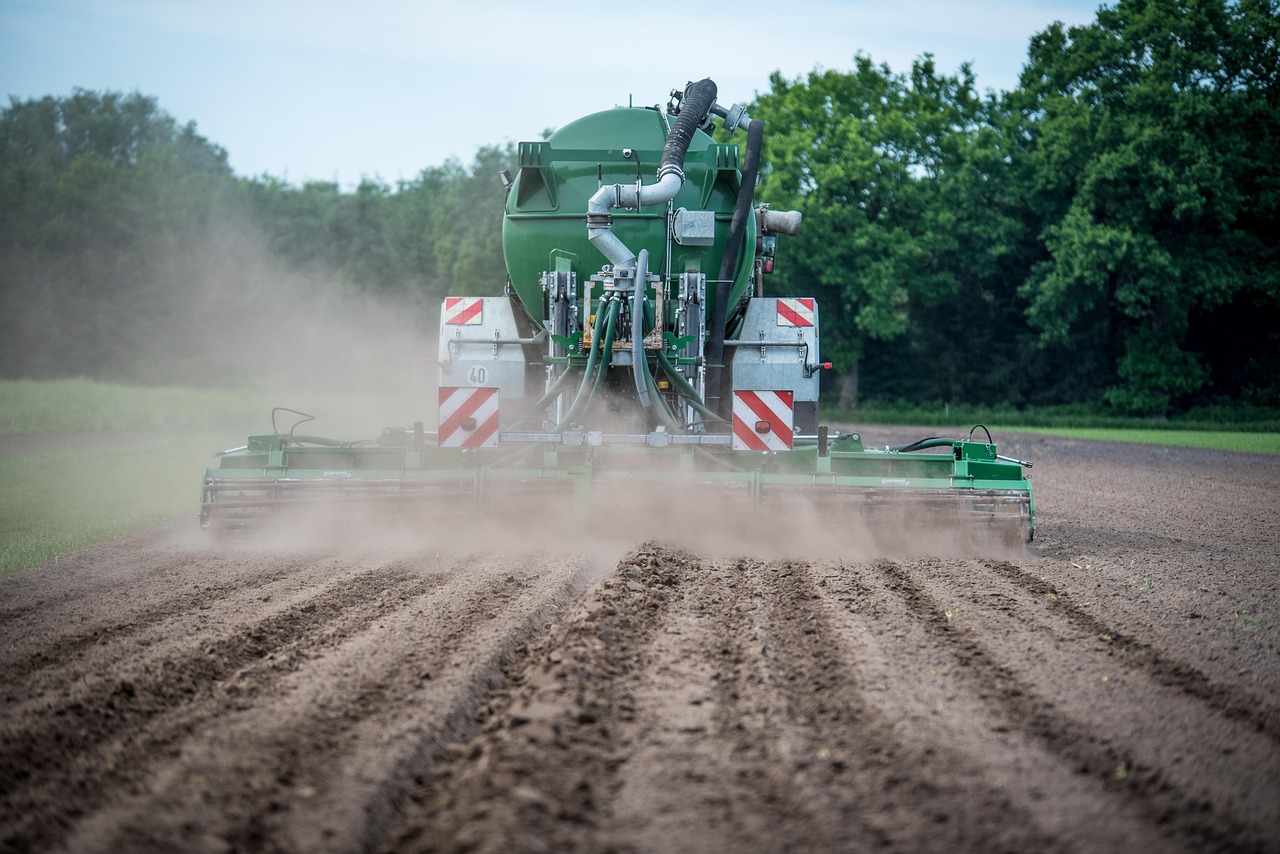
Proper fertilization timing isn’t just about plant health—it’s also about environmental stewardship. Applying fertilizer before heavy rain increases runoff into storm drains and natural waterways, contributing to algae blooms and water quality problems.
Using slow-release fertilizers, applying proper amounts, and timing applications when plants actively grow reduces environmental impact while maintaining garden health. Creating a fertilization calendar that accounts for weather patterns and seasonal plant needs protects both your garden and the broader ecosystem.
Mastering fertilization timing transforms gardening from a frustrating guessing game into a predictable, rewarding practice. By understanding seasonal plant needs, choosing appropriate fertilizers, and maintaining a consistent schedule tailored to your specific garden, you’ll cultivate healthier, more productive plants that thrive throughout the entire year. Remember that observation and adjustment are key—pay attention to how your plants respond and refine your approach each season for continuously improving results.