Starting seeds at the right time can transform your gardening success, turning hopeful plantings into abundant harvests that sustain you throughout the year.

Whether you’re a beginner gardener or someone looking to optimize your growing schedule, understanding when to start seeds is crucial for developing strong, healthy plants. The art of seed starting isn’t just about throwing seeds in soil—it’s about timing, temperature, and understanding your unique growing conditions to create a thriving garden in every season.
🌱 Understanding Your Growing Zone and Frost Dates
Before diving into seed starting, you need to know your hardiness zone and local frost dates. These fundamental pieces of information serve as the foundation for your entire planting calendar. Your last spring frost date and first fall frost date determine when it’s safe to transplant seedlings outdoors and when you need to bring tender plants inside.
The USDA hardiness zone map divides regions based on average minimum winter temperatures, helping you understand which plants will survive in your area. However, microclimates in your specific garden can vary significantly from these broad classifications. Pay attention to factors like elevation, proximity to water bodies, urban heat islands, and wind exposure.
Keep records of actual frost occurrences in your garden over several years. This personal data becomes invaluable for fine-tuning your seed starting schedule. Weather patterns shift, and what worked five years ago might need adjustment today.
Essential Seed Starting Equipment for Year-Round Success
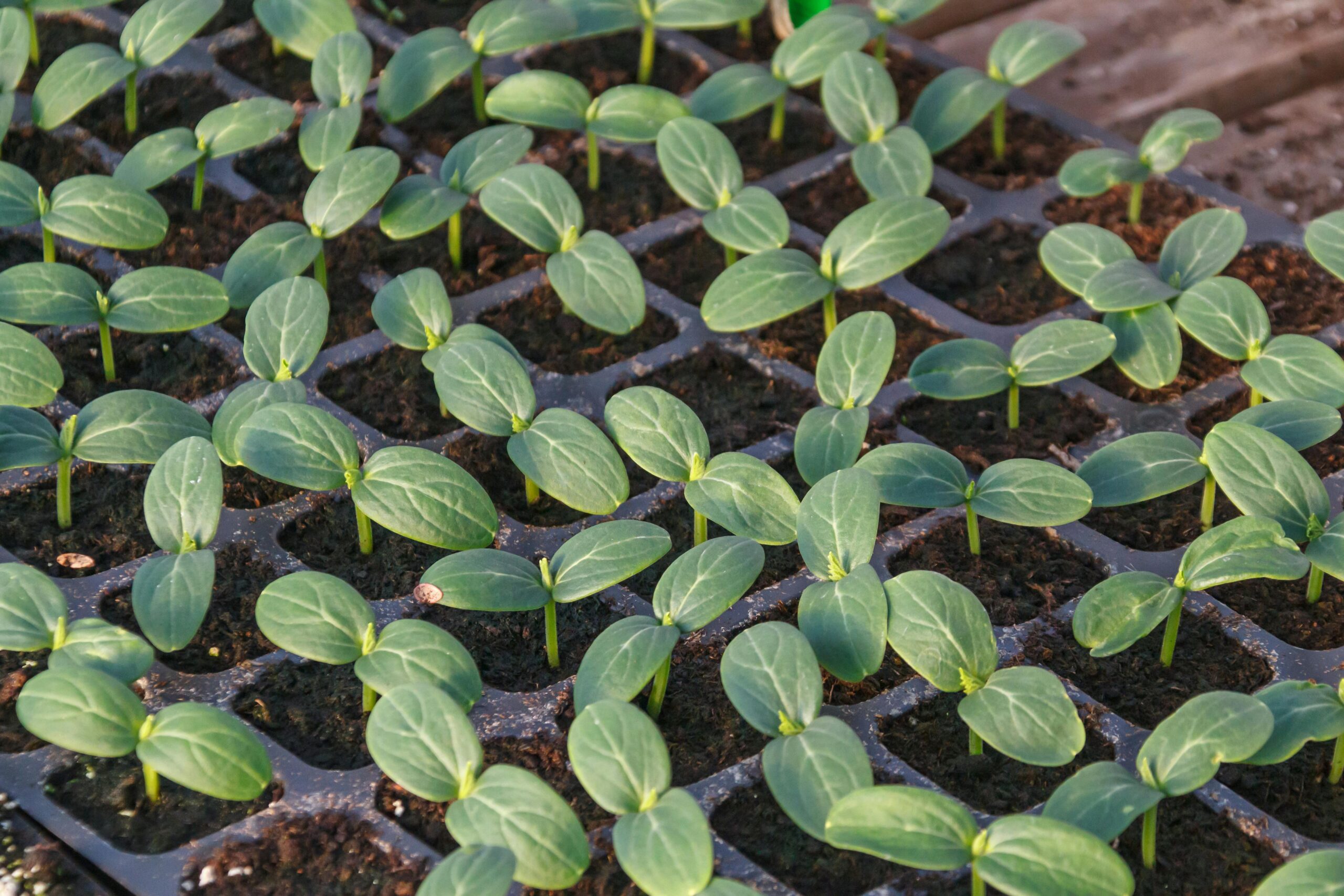
Setting up a proper seed starting station doesn’t require expensive equipment, but having the right tools makes the process significantly easier. Quality seed starting trays with drainage holes, a sterile seed starting mix, and adequate lighting form the basic trifecta of successful germination.
Grow lights have become affordable and essential for serious seed starters, especially if you begin seeds during winter months when natural light is limited. Full-spectrum LED grow lights provide the intensity seedlings need without generating excessive heat. Position lights 2-4 inches above seedlings and adjust as plants grow.
Heat mats accelerate germination for warm-season crops like tomatoes, peppers, and eggplants. Most seeds germinate best when soil temperatures reach 70-80°F. Once seedlings emerge, remove the heat mat unless you’re growing truly tropical species that require constant warmth.
Winter Seed Starting: Planning for Spring Gardens 📅
January through March represents prime seed starting season for many gardeners preparing for spring and summer harvests. This period requires the most planning and indoor space, as you’ll be nurturing seedlings for weeks before outdoor conditions become suitable.
Start slow-growing crops like onions, leeks, and artichokes 10-12 weeks before your last frost date. These plants need extended time to develop strong root systems before transplanting. Mid-winter is also perfect for starting perennial flowers and herbs that benefit from a long growing season.
Cool-Season Crops Timeline
Begin cold-hardy vegetables 6-8 weeks before the last spring frost. This category includes broccoli, cauliflower, cabbage, kale, and Brussels sprouts. These brassicas tolerate light frosts and actually taste sweeter after cold exposure, so getting them in the ground early extends your harvest window.
Lettuce, spinach, and other leafy greens can be started 4-6 weeks before your last frost date, though many gardeners prefer direct sowing these quick-germinating crops. Starting them indoors gives you a head start and allows for succession planting throughout the season.
Warm-Season Favorites
Tomatoes, peppers, and eggplants require 6-8 weeks of indoor growth before transplanting. Start these heat-lovers 8 weeks before your last frost date, but don’t rush to transplant them outside. Wait until soil temperatures consistently reach 60°F and nighttime temperatures stay above 50°F.
Cucumbers, squash, melons, and other cucurbits dislike root disturbance and grow quickly, so start them just 3-4 weeks before your last frost in biodegradable pots that transplant directly into the ground.
Spring Seed Starting: Succession Planting and Summer Planning 🌸
As spring arrives and you transplant your winter-started seedlings, a new wave of seed starting opportunities emerges. This season focuses on succession planting cool-season crops and starting warm-season vegetables for continuous harvests.
Continue starting lettuce, spinach, and other greens every 2-3 weeks throughout spring for a constant supply. As temperatures rise, these crops bolt quickly, so timed succession plantings ensure you’re never without fresh salads.
Late spring is the perfect time to start seeds for fall gardens. This counterintuitive timing works because many crops need cool weather for best flavor but require time to mature. Start broccoli, cauliflower, and Brussels sprouts in late May or early June for fall harvests that often surpass spring production in quality.
Summer Seed Starting: Preparing for Autumn Abundance
Summer might seem like an odd time for seed starting, but savvy gardeners use these warm months to prepare for productive fall and winter gardens. The key is working backward from your first fall frost date to determine when seedlings need transplanting.
Count back from your first expected frost, adding the days to maturity listed on seed packets plus 2 weeks for transplanting adjustment. This calculation tells you when to start seeds indoors or direct sow in the garden.
Cool-Weather Crops for Fall Harvests
Start cabbage family crops 6-8 weeks before your desired transplant date, typically mid to late summer. These plants will mature as temperatures cool, producing sweeter, more tender vegetables than spring plantings often achieve.
Root vegetables like carrots, beets, turnips, and radishes are typically direct sown in mid to late summer. These crops improve in flavor with light frosts and can be stored in the ground in many climates, providing fresh vegetables well into winter.
Extending the Season with Cold Frames
Cold frames, hoop houses, and row covers extend your growing season by several weeks on both ends. Start cool-season crops in late summer with the plan to protect them as cold weather arrives. Lettuce, spinach, Asian greens, and many herbs continue producing under protection even when outdoor temperatures drop below freezing.
Fall Seed Starting: Indoor Herbs and Winter Greens 🍂
Autumn brings opportunities for indoor gardening and planning for the next spring. While outdoor seed starting winds down in most climates, you can establish indoor herb gardens and sprout microgreens year-round.
Start perennial herbs like rosemary, thyme, oregano, and sage in fall for indoor winter growth. These plants grow slowly but provide fresh flavors throughout cold months when garden-fresh herbs are otherwise unavailable. Place them in sunny windowsills or under grow lights, ensuring good air circulation to prevent fungal issues.
Microgreens and sprouts offer quick-growing nutritional powerhouses perfect for winter growing. These crops mature in 1-3 weeks, require minimal space, and can be grown continuously on countertops or under lights. Popular varieties include sunflower shoots, pea shoots, radish microgreens, and various sprout mixes.
Creating Your Personalized Seed Starting Calendar
Generic seed starting calendars provide useful guidelines, but creating a personalized schedule based on your specific location, microclimate, and preferences yields better results. Track what works each season and adjust timing accordingly.
Document your actual last spring frost and first fall frost dates each year. Note when you start seeds, transplant dates, first harvest dates, and final harvest dates for each crop. This information reveals patterns specific to your garden that no general guide can provide.
Sample Seasonal Timeline Template
| Weeks Before Last Frost | Crops to Start | Notes |
|---|---|---|
| 12-14 weeks | Onions, leeks, artichokes | Slow growers need early start |
| 8-10 weeks | Tomatoes, peppers, eggplant | Use heat mats for germination |
| 6-8 weeks | Broccoli, cabbage, cauliflower | Cold-hardy, transplant early |
| 4-6 weeks | Lettuce, kale, Swiss chard | Can direct sow as alternative |
| 3-4 weeks | Cucumbers, squash, melons | Quick growing, dislike transplanting |
Troubleshooting Common Seed Starting Challenges
Even experienced gardeners encounter problems when starting seeds. Understanding common issues and their solutions prevents wasted time and ensures more seedlings reach maturity successfully.
Damping off, a fungal disease that causes seedlings to collapse at soil level, ranks as the most frustrating seed starting problem. Prevent it by using sterile seed starting mix, providing adequate air circulation with fans, avoiding overwatering, and never letting seedlings sit in standing water.
Leggy seedlings stretching toward light indicate insufficient light intensity or duration. Seedlings need 14-16 hours of bright light daily. Adjust grow lights closer to plants and ensure you’re using full-spectrum bulbs with adequate wattage for your space.
Hardening Off: The Critical Transition
Hardening off gradually acclimates indoor-grown seedlings to outdoor conditions. This process takes 7-10 days and cannot be rushed without risking transplant shock or plant death.
Begin by placing seedlings outdoors in a protected, shaded location for 1-2 hours. Gradually increase outdoor time and sun exposure over the following week. Start bringing plants in at night if temperatures drop significantly, then leave them out 24 hours for the final few days before transplanting.
Maximizing Your Seed Starting Investment 💰
Quality seeds cost money, so proper storage and smart purchasing strategies stretch your gardening budget. Most seeds remain viable for multiple years when stored correctly, though germination rates decline over time.
Store seeds in a cool, dry, dark location. Airtight containers with silica gel packets maintain low humidity levels that preserve seed viability. Label containers with variety names and purchase dates to track age.
Test old seeds before committing garden space to them. Place ten seeds between moist paper towels in a sealed bag. After the expected germination period, count how many sprouted. If fewer than half germinate, either plant more thickly or purchase fresh seed.
Advanced Techniques for Experienced Seed Starters
Once you master basic seed starting, advanced techniques can increase success rates, expand variety selections, and challenge your gardening skills.
Seed stratification mimics natural winter conditions required by certain perennials, trees, and shrubs. Cold stratification involves placing seeds in moist medium in the refrigerator for weeks or months before planting. Warm stratification uses room temperature or slightly elevated temperatures for species requiring different conditions.
Pre-sprouting or chitting seeds accelerates germination and allows you to plant only viable seeds. Place seeds between moist paper towels until radicles emerge, then carefully transfer to growing medium. This technique works excellently for expensive or slow-germinating seeds where every plant counts.
Building Soil Blocks for Zero-Waste Seed Starting
Soil blocking eliminates plastic pots and cell packs while producing seedlings with superior root systems. Specialized soil block makers compress moistened potting mix into cubes that hold their shape without containers.
Seedlings grown in soil blocks develop air-pruned roots that branch repeatedly rather than circling pot edges. When transplanted, these robust root systems establish quickly without transplant shock. The technique requires practice but offers environmental and plant health benefits worth the learning curve.
Connecting Seed Starting with Sustainable Gardening Practices 🌍
Integrating seed starting with broader sustainable gardening practices creates regenerative systems that improve over time. Save seeds from your best-performing plants to develop varieties adapted to your specific conditions and preferences.
Start with easy seed-saving crops like tomatoes, peppers, beans, and lettuce before progressing to biennials like carrots and brassicas. Ensure you’re saving open-pollinated varieties rather than hybrids for seeds that grow true to type.
Compost spent seed starting mix, failed seedlings, and thinned plants to return nutrients to your garden ecosystem. Create closed-loop systems where outputs become inputs, reducing waste and external resource requirements.
Reaping the Rewards of Strategic Seed Starting
Mastering seed starting timing transforms your garden from a seasonal hobby into a year-round source of fresh food, beauty, and satisfaction. The skills you develop through observation, record-keeping, and continuous refinement create confidence that extends beyond gardening into other areas of life.
Each season offers unique opportunities for growth—both for your plants and your knowledge. Embrace failures as learning experiences that inform future decisions. The most successful gardeners aren’t those who never make mistakes but those who observe carefully, adapt quickly, and remain curious about improving their craft.
Start small if you’re new to seed starting, perhaps with just tomatoes and peppers your first year. Gradually expand your repertoire as you gain confidence and understand how plants respond in your specific environment. Keep detailed records that capture both successes and challenges, creating a personalized reference guide more valuable than any purchased book.
Your ultimate seasonal timeline for thriving gardens year-round emerges from this combination of general knowledge, specific local conditions, and personal experience accumulated over multiple growing seasons. The journey from seed to harvest connects you with ancient agricultural traditions while employing modern techniques and understanding. Whether you garden for food security, environmental stewardship, mental health, or simple pleasure, mastering seed starting unlocks possibilities that extend far beyond those first tiny green shoots pushing through soil.