Watering your garden might seem straightforward, but understanding the perfect timing and technique for each plant type can mean the difference between a thriving oasis and wilting disappointment. Mastering this essential gardening skill transforms your outdoor space into a vibrant sanctuary.

Every gardener, whether novice or experienced, has faced the challenge of determining exactly how much water their plants need. Too little leads to drought stress, while overwatering suffocates roots and invites disease. The art of watering encompasses far more than simply turning on a hose—it requires understanding plant biology, soil conditions, climate factors, and seasonal variations to create the optimal growing environment.
🌱 Understanding Plant Water Requirements: The Foundation of Success
Different plants have evolved in vastly different environments, from arid deserts to tropical rainforests, which means their water needs vary dramatically. Recognizing these differences is crucial for developing an effective watering strategy that keeps every plant in your garden healthy and productive.
Succulents and cacti, native to dry regions, store water in their thick leaves and stems, requiring infrequent watering sessions. Conversely, tropical plants like ferns and philodendrons expect consistent moisture that mimics their humid natural habitats. Understanding these fundamental differences prevents the common mistake of applying a one-size-fits-all watering approach.
Factors That Influence Water Needs
Several environmental and biological factors determine how much water your plants actually need. Temperature plays a significant role—hot weather accelerates evaporation and transpiration, increasing water demand. Humidity levels affect how quickly moisture leaves the soil and plant tissues. Wind exposure can dry out plants faster than sheltered locations.
Soil composition dramatically impacts water retention and drainage. Clay soils hold moisture longer but drain poorly, while sandy soils drain quickly but retain less water. The ideal loam soil balances both properties, providing adequate drainage while maintaining sufficient moisture for root uptake.
⏰ Perfect Timing: When to Water for Maximum Benefit
Timing your watering sessions correctly maximizes water absorption while minimizing waste and disease risk. Early morning emerges as the optimal time for most gardens, allowing plants to hydrate before facing the day’s heat. Water droplets on leaves have time to evaporate before nightfall, reducing fungal disease potential.
Morning watering ensures maximum soil penetration as cooler temperatures slow evaporation rates. Plants can draw moisture throughout the day, supporting photosynthesis and growth processes. This timing also means water reaches deeper root zones rather than evaporating from the surface before absorption occurs.
Why Evening Watering Can Be Problematic
While watering in the evening might seem convenient after work, this timing presents challenges. Moisture lingering on foliage overnight creates ideal conditions for fungal pathogens and bacterial infections. Cool nighttime temperatures combined with wet conditions invite problems like powdery mildew, leaf spot, and root rot.
However, evening watering becomes acceptable during extreme heat waves when morning watering alone cannot sustain stressed plants. In these situations, water directly at the soil level rather than overhead to keep foliage dry while hydrating roots.
💧 Watering Techniques That Make the Difference
How you deliver water matters as much as when and how much. Deep, infrequent watering encourages strong, deep root systems that access moisture during dry periods. Shallow, frequent watering creates dependent plants with surface roots vulnerable to drought stress.
Direct water at the root zone rather than spraying foliage indiscriminately. Drip irrigation and soaker hoses deliver moisture efficiently where needed, minimizing waste through evaporation. These methods also keep leaves dry, reducing disease pressure while conserving water resources.
The Finger Test: Simple Yet Effective
Before watering, insert your finger two to three inches into the soil near the plant base. If the soil feels dry at this depth, watering is needed. Moist soil indicates sufficient moisture remains. This simple test prevents overwatering while ensuring plants receive hydration when truly necessary.
Different plants require variations of this test. Succulents should dry completely between waterings, while moisture-loving plants need consistently damp (not soggy) soil. Learning these nuances for your specific plants develops your gardening intuition over time.
🌿 Plant-Specific Watering Strategies
Tailoring your watering approach to specific plant categories ensures each receives optimal care. Grouping plants with similar water requirements together simplifies maintenance and improves overall garden health.
Vegetables and Annual Flowers
Vegetable gardens typically require consistent moisture for optimal production. Tomatoes, peppers, and cucumbers need regular watering to prevent blossom end rot and bitter flavors. Apply one to two inches of water weekly, adjusting for rainfall and temperature.
Annual flowers like petunias, marigolds, and impatiens benefit from regular watering to maintain continuous blooming. These shallow-rooted plants dry out faster than established perennials and signal water stress quickly through wilting leaves.
Perennial Plants and Shrubs
Established perennials develop extensive root systems that access deeper moisture reserves. Water deeply but less frequently—once or twice weekly during dry periods. Newly planted perennials need more frequent attention during their first growing season while establishing roots.
Shrubs vary considerably in water needs. Native species adapted to your climate typically require minimal supplemental watering once established. Exotic ornamental shrubs may need regular irrigation to maintain their appearance and health throughout the growing season.
Succulents and Drought-Tolerant Plants
These water-wise plants thrive on neglect rather than attention. Water deeply but infrequently, allowing soil to dry completely between sessions. During winter dormancy, many succulents need virtually no supplemental water. Overwatering remains the primary cause of death for these resilient plants.
Signs of underwatered succulents include shriveled, wrinkled leaves and stunted growth. Overwatered specimens develop mushy, translucent leaves and may rot at the base. Finding the balance requires patience and observation.
Container Plants: Special Considerations
Potted plants face unique challenges as their limited soil volume dries out much faster than ground plantings. Container gardens often need daily watering during hot weather, sometimes twice daily for small pots in full sun.
Ensure containers have adequate drainage holes to prevent waterlogging. Water until it drains from the bottom, ensuring complete soil saturation. Using quality potting mix rather than garden soil improves drainage while retaining sufficient moisture for healthy growth.
🌞 Seasonal Watering Adjustments
Your watering schedule must adapt as seasons change and plants enter different growth phases. Spring brings rapid growth that demands consistent moisture as plants leaf out and flower. Adequate water during this period establishes strong plants for summer stress.
Summer heat peaks water requirements as plants actively grow and produce. High temperatures and intense sunlight increase evaporation and transpiration rates. Monitor soil moisture closely and water more frequently, potentially adjusting from weekly to every few days during extreme heat.
Fall and Winter: The Dormant Seasons
As temperatures cool and plants prepare for dormancy, reduce watering frequency gradually. Evergreens still need moisture through winter, especially before ground freezes. A thorough watering before winter dormancy helps plants withstand cold stress.
Winter watering needs drop dramatically as plant metabolism slows. Most dormant perennials require minimal moisture, while indoor plants need less frequent watering due to reduced light levels and slower growth rates.
🚿 Water Conservation Strategies for Sustainable Gardens
Efficient watering practices conserve precious water resources while maintaining healthy gardens. Mulching around plants reduces evaporation, regulates soil temperature, and suppresses weeds that compete for moisture. Apply two to four inches of organic mulch, keeping it away from plant stems to prevent rot.
Collecting rainwater in barrels provides free, chlorine-free water for your garden. This sustainable practice reduces reliance on municipal water while giving plants the soft water they prefer. Rainwater typically contains beneficial nutrients absent from treated tap water.
Improving Soil Water Retention
Amending soil with organic matter dramatically improves water-holding capacity. Compost, well-rotted manure, and other organic materials create sponge-like soil structure that retains moisture while maintaining drainage. Annual applications gradually transform even challenging soils.
Clay soils benefit from added organic matter and coarse sand to improve drainage. Sandy soils need organic amendments to increase water retention. Regular soil testing reveals pH and nutrient levels, allowing targeted improvements that support healthy plant growth.
📱 Technology Tools for Precision Watering
Modern technology offers valuable tools for optimizing irrigation practices. Soil moisture meters provide objective readings that remove guesswork from watering decisions. These inexpensive devices measure moisture levels at root depth, indicating exactly when plants need water.
Smart irrigation controllers connect to weather data, automatically adjusting watering schedules based on temperature, humidity, and rainfall. These systems prevent unnecessary watering while ensuring plants receive adequate moisture. The investment pays for itself through water savings and improved plant health.
🌡️ Recognizing Water Stress Signals
Learning to read plant stress signals helps you respond before serious damage occurs. Wilting represents the most obvious sign, but distinguish between temporary midday wilting during heat and true drought stress. Plants that remain wilted by evening need immediate watering.
Leaf color changes indicate water issues—yellowing lower leaves suggest overwatering, while brown crispy edges indicate underwatering. Stunted growth, dropped leaves, and reduced flowering all signal incorrect watering practices requiring adjustment.
Overwatering: The Silent Garden Killer
Overwatering kills more plants than drought, yet receives less attention. Waterlogged soil suffocates roots by displacing oxygen, leading to root rot. Symptoms include yellowing leaves, mushy stems, fungus growth, and a sour soil smell.
Preventing overwatering requires proper drainage, appropriate container selection, and restraint with the watering can. Allow soil to dry somewhat between waterings, adjusting frequency based on plant type and growing conditions rather than following rigid schedules.
🌍 Climate-Specific Watering Considerations
Your local climate fundamentally influences watering strategies. Arid regions require drought-tolerant plant selections and efficient irrigation systems like drip lines. Humid climates need excellent drainage and careful attention to fungal disease prevention.
Coastal gardens face salt spray challenges requiring occasional deep watering to flush salts from the root zone. High-altitude gardens experience intense sunlight and low humidity that accelerate moisture loss despite cooler temperatures.
🎯 Creating Your Personalized Watering Schedule
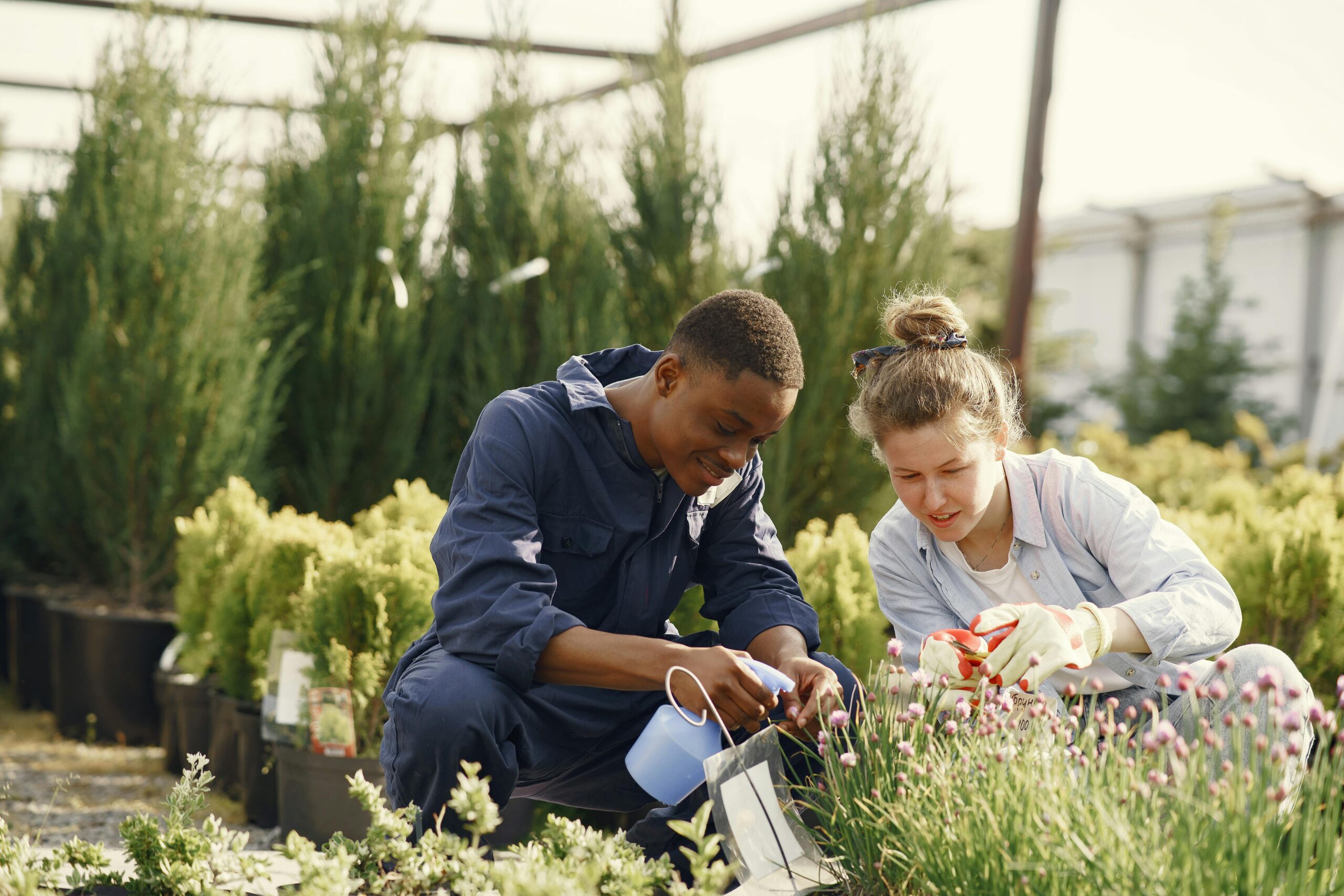
Developing an effective watering routine requires observing your specific garden conditions. Start with general guidelines for your plant types, then adjust based on weather, soil type, and individual plant responses. Keep notes about what works and what doesn’t.
Group plants with similar water needs together in your garden design. This hydrozoning approach simplifies irrigation management and prevents over or underwatering of incompatible plant combinations. Native plants grouped separately may need no supplemental water once established.
Consider installing separate irrigation zones for different plant categories. Program controllers with appropriate schedules for each zone, providing vegetables with frequent watering while limiting water to drought-tolerant natives. This precision approach optimizes plant health while conserving water.
💪 Building Long-Term Garden Resilience
The ultimate goal extends beyond keeping plants alive—creating a resilient garden that thrives with minimal intervention. Deep watering practices encourage extensive root systems that access moisture during dry spells. Gradually reducing supplemental water for established plants promotes drought tolerance.
Selecting regionally appropriate plants naturally adapted to your climate reduces ongoing water requirements. Native species evolved alongside local rainfall patterns and typically flourish without irrigation once established. These plants also support local ecosystems and wildlife.
Healthy soil biology supports plant water uptake efficiency. Beneficial microorganisms help plants access nutrients and water while protecting against pathogens. Avoiding chemical pesticides and fertilizers preserves this underground ecosystem that ultimately determines garden success.
Mastering the art of watering transforms your relationship with your garden. What initially seems complicated becomes intuitive as you observe plant responses and environmental conditions. Each season deepens your understanding, building skills that yield increasingly beautiful and productive results. The perfect watering strategy balances plant needs with environmental stewardship, creating sustainable gardens that flourish year after year. Your commitment to learning these techniques ensures your garden remains a thriving sanctuary that brings joy, beauty, and satisfaction for years to come. 🌺