
Transform your garden from struggling to thriving with the right soil preparation techniques. Healthy, productive gardens begin beneath the surface, where well-prepared soil creates the foundation for robust plant growth and abundant harvests.

Whether you’re a beginner gardener or looking to refine your growing methods, understanding soil preparation is crucial for long-term garden success. The difference between mediocre and exceptional results often comes down to how well you’ve prepared your garden beds before planting.
🌱 Why Garden Bed Soil Preparation Makes All the Difference
Soil preparation isn’t just about digging a hole and dropping in seeds or transplants. It’s about creating an optimal environment where plant roots can spread easily, access nutrients efficiently, and establish strong foundations for healthy growth above ground.
Plants derive nearly all their structural components from the soil and air. When soil is compacted, nutrient-depleted, or poorly drained, plants struggle to access what they need. Conversely, well-prepared soil acts like a high-performance engine, supporting vigorous growth, disease resistance, and impressive yields.
Professional gardeners and farmers know that investing time in soil preparation dramatically reduces maintenance requirements throughout the growing season. Properly prepared beds resist weed invasion better, retain moisture more effectively, and require less supplemental feeding.
Understanding Your Existing Soil Type and Condition
Before improving your garden bed soil, you need to understand what you’re working with. Soil exists on a spectrum from heavy clay to light sand, with loam representing the ideal middle ground.
The Simple Jar Test for Soil Composition
Perform this easy test to determine your soil type. Fill a clear jar halfway with soil, add water until nearly full, shake vigorously, then let it settle for 24 hours. The soil will separate into layers: sand on the bottom, silt in the middle, and clay on top. The proportions reveal your soil composition.
Clay soil feels sticky when wet and forms hard clumps when dry. It holds nutrients well but drains poorly and warms slowly in spring. Sandy soil feels gritty, drains quickly, and warms fast but struggles to retain nutrients and moisture. Loamy soil, the gardener’s gold standard, combines the best characteristics of both.
Testing Your Soil pH and Nutrient Levels
Soil pH dramatically affects nutrient availability to plants. Most vegetables and flowers thrive in slightly acidic to neutral soil (pH 6.0-7.0), though some plants have specific preferences.
Home testing kits provide basic pH readings, but comprehensive soil tests from agricultural extensions or private laboratories offer detailed nutrient profiles. These tests reveal deficiencies or excesses in nitrogen, phosphorus, potassium, and micronutrients, allowing you to make targeted amendments rather than guessing.
✨ Essential Steps to Prepare Your Garden Bed Soil
Now that you understand your starting point, let’s explore the systematic process for transforming your soil into a plant-growing powerhouse.
Step 1: Clear the Area and Remove Obstacles
Begin by removing existing vegetation, rocks, roots, and debris from your garden bed area. For new beds, you might need to remove sod. Slice it into manageable sections with a spade, cutting about two inches deep, then roll it up and either compost it or use it to fill low spots elsewhere in your yard.
Perennial weeds like dandelions, bindweed, or quackgrass require complete root removal. Even small root fragments can regenerate, so thorough clearing now prevents frustration later.
Step 2: Loosen and Aerate Compacted Soil
Compacted soil restricts root growth and reduces water infiltration. Break up compaction by turning the soil to a depth of 8-12 inches using a spade, garden fork, or rototiller.
For established beds, avoid excessive tilling which can damage soil structure and beneficial organisms. Instead, use a broadfork to lift and loosen soil without inverting layers. This preserves the soil ecosystem while improving aeration.
Work soil when it’s moderately moist—not wet and sticky, not dust-dry. Squeeze a handful; it should form a ball that crumbles easily when poked. Working overly wet soil creates compacted clods that are difficult to correct.
Step 3: Incorporate Organic Matter Generously
Organic matter is the universal soil improver. It lightens heavy clay soils, increases water and nutrient retention in sandy soils, feeds beneficial microorganisms, and gradually releases nutrients as it decomposes.
Aim to incorporate 2-4 inches of compost, well-rotted manure, or leaf mold into your garden bed. This typically amounts to several wheelbarrows full for a standard 4×8 foot bed. Mix it thoroughly into the top 6-8 inches of soil where most feeder roots grow.
Quality compost should smell earthy (not sour or ammonia-like), feel crumbly, and contain no recognizable original materials. Immature compost can tie up nitrogen as it continues decomposing, temporarily starving your plants.
Step 4: Adjust pH and Add Targeted Amendments
Based on your soil test results, adjust pH as needed. To raise pH (make soil less acidic), add ground limestone at rates recommended by your soil test, typically 5-10 pounds per 100 square feet. To lower pH (make soil more acidic), incorporate elemental sulfur or acidic organic materials like pine needles.
pH adjustments take time to become effective—ideally several months. Apply amendments in fall for spring planting when possible.
Address specific nutrient deficiencies with targeted amendments:
- Nitrogen deficiency: Add blood meal, feather meal, or composted manure
- Phosphorus deficiency: Incorporate bone meal or rock phosphate
- Potassium deficiency: Apply greensand, kelp meal, or wood ash (also raises pH)
- Calcium deficiency: Use gypsum (doesn’t affect pH) or lime (raises pH)
- Micronutrient deficiencies: Apply kelp meal or a complete organic fertilizer
Step 5: Level and Shape Your Beds
After amendments are incorporated, rake your bed smooth and create the desired shape. Raised beds with gently rounded tops promote drainage and provide more planting surface. Ensure beds are no wider than you can comfortably reach across (typically 3-4 feet) to avoid compacting soil by stepping on it.
Create defined pathways between beds using mulch, stepping stones, or permanent materials. This protects your carefully prepared soil from compaction during garden maintenance.
🌿 Special Considerations for Different Garden Types
Vegetable Garden Soil Preparation
Vegetable gardens demand particularly fertile, well-draining soil since most vegetables are heavy feeders with high nutrient requirements. Incorporate generous amounts of compost and ensure phosphorus levels are adequate for root development and fruit production.
Many vegetables prefer slightly acidic to neutral pH. Test and adjust accordingly. For intensive vegetable production, plan to add compost annually and rotate crops to prevent nutrient depletion and disease buildup.
Flower Garden Bed Preparation
Perennial flower beds benefit from especially thorough preparation since you won’t have opportunities to deeply work the soil once plants are established. Remove all perennial weeds meticulously before planting.
Most flowering plants tolerate a wider pH range than vegetables. Focus on excellent drainage, especially for perennials, as many rot in waterlogged winter soil. Incorporate coarse materials like perlite or fine gravel if drainage is questionable.
Container and Raised Bed Considerations
Raised beds and containers require special soil considerations. Standard garden soil becomes too compacted in containers. Instead, use a soil-based potting mix or create your own using equal parts quality topsoil, compost, and drainage materials like perlite or vermiculite.
Raised beds deeper than 12 inches can use a layering approach: coarser materials at the bottom for drainage, topped with your best quality growing medium in the upper 12 inches where most roots concentrate.
💧 Optimizing Soil Moisture and Drainage
Even perfectly amended soil fails if water management is poor. Proper drainage prevents root rot and disease while adequate moisture retention reduces watering frequency.
Test drainage by digging a hole 12 inches deep, filling it with water, and observing how long it takes to drain. Water should infiltrate within 12-24 hours. Slower drainage indicates poor drainage requiring correction through raised beds, drainage tiles, or incorporating generous amounts of organic matter and coarse amendments.
Conversely, soil that drains in minutes may benefit from moisture-retentive amendments like compost, peat moss, or coconut coir. Mulching also dramatically improves moisture retention while suppressing weeds and moderating soil temperature.
🦠 Building Beneficial Soil Biology
Healthy soil teems with life. A single teaspoon of garden soil contains more microorganisms than there are people on Earth. These bacteria, fungi, protozoa, nematodes, and other organisms form complex food webs that improve soil structure, cycle nutrients, and protect plants from pathogens.
Support beneficial soil life by minimizing tillage, maintaining consistent organic matter inputs, avoiding synthetic pesticides, and keeping soil covered with plants or mulch. Consider introducing beneficial organisms through compost tea, mycorrhizal inoculants, or vermicompost.
Diverse plantings, including cover crops in off-seasons, feed and maintain soil biology better than bare soil or monocultures. Consider planting nitrogen-fixing cover crops like clover or field peas during off-seasons to improve fertility naturally.
🌸 Maintaining Your Prepared Garden Bed Soil
Soil preparation isn’t a one-time event but an ongoing relationship. Annual additions of compost maintain and improve soil structure and fertility. Top-dress established beds with 1-2 inches of compost each spring or fall.
Practice crop rotation in vegetable gardens to prevent nutrient depletion and break pest and disease cycles. Heavy feeders like tomatoes and corn should follow light feeders or nitrogen-fixing legumes.
Mulch beds with 2-3 inches of organic materials like shredded leaves, straw, or wood chips. Mulch moderates soil temperature, suppresses weeds, retains moisture, and gradually decomposes to feed soil life.
Avoid walking on prepared beds, which causes compaction. Use stepping stones or permanent pathways to access plants for maintenance and harvest.
Common Soil Preparation Mistakes to Avoid
Even experienced gardeners sometimes make soil preparation errors that undermine their efforts. Avoid these common pitfalls for best results.
Working soil when too wet creates compacted clods with poor structure that may take years to correct. Similarly, pulverizing soil to dust destroys structure and makes it vulnerable to erosion and compaction.
Over-fertilizing, especially with high-nitrogen sources, can harm plants and beneficial soil organisms. Always follow soil test recommendations rather than assuming more is better.
Skipping pH adjustment when needed limits nutrient availability regardless of how many amendments you add. Most nutrients become locked up and unavailable at extreme pH levels.
Using uncomposted manure risks burning plants with excess nitrogen and introduces weed seeds. Always use well-aged manure that has composted for at least six months.
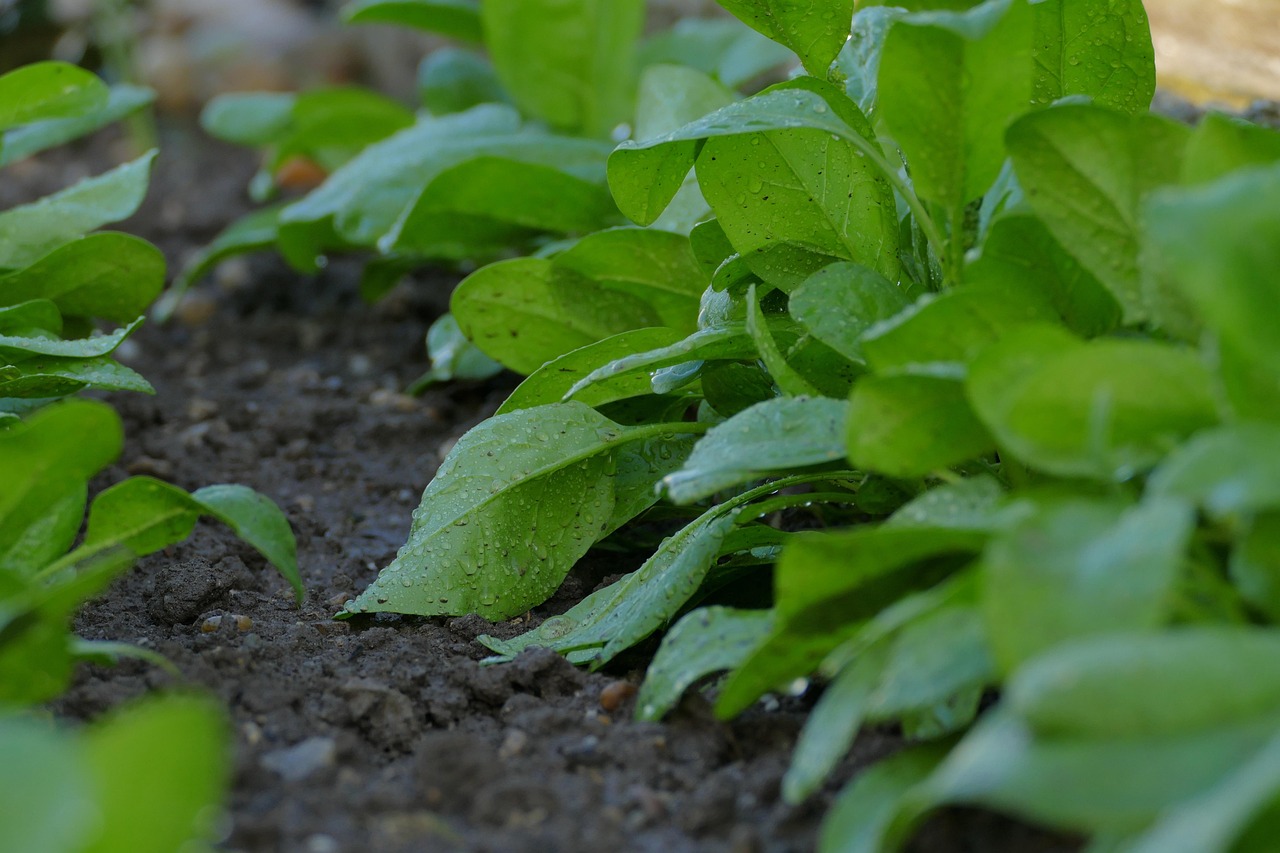
🎯 Your Garden Success Starts Beneath the Surface
Mastering garden bed soil preparation transforms your growing experience. Plants establish faster, grow more vigorously, resist pests and diseases better, and produce more abundant harvests when rooted in properly prepared soil.
The time invested in understanding your soil and preparing it thoroughly pays dividends throughout the growing season and for years to come. Each season’s compost additions and thoughtful management compound your initial efforts, creating increasingly fertile, productive garden beds.
Start by assessing your current soil condition through simple tests and observations. Clear your beds thoroughly, loosen compacted soil, incorporate generous organic matter, adjust pH as needed, and create well-shaped beds that promote excellent drainage. Maintain your soil’s health through annual compost additions, appropriate mulching, and practices that support beneficial soil biology.
Remember that soil building is a journey rather than a destination. Even poor soil improves dramatically with consistent attention to organic matter, proper amendments, and protective practices. Your garden’s success truly does begin beneath the surface, where healthy soil creates the foundation for everything that grows above. Start preparing your garden beds properly today, and you’ll enjoy healthier plants, easier maintenance, and more rewarding harvests for seasons to come!