Every gardener dreams of lush, vibrant plants that flourish season after season. Yet, the most common mistake that kills more plants than pests and diseases combined is improper watering.

Understanding the delicate balance between too much and too little water transforms ordinary gardening into an art form. This comprehensive guide reveals the secrets professional horticulturists use to create thriving root systems that support spectacular plant growth, ensuring your garden becomes the envy of your neighborhood.
🌱 Why Watering Balance Matters More Than You Think
The foundation of every healthy plant lies beneath the soil surface, where roots perform their essential functions. These underground networks absorb water, nutrients, and oxygen while anchoring the plant firmly in place. When watering practices disrupt this delicate ecosystem, even the hardiest species struggle to survive.
Overwatering suffocates roots by filling air pockets in the soil with water, preventing oxygen from reaching root cells. This oxygen deprivation leads to root rot, a condition where beneficial microorganisms die off and harmful pathogens flourish. The result is a weak, diseased plant vulnerable to every environmental stress.
Conversely, underwatering creates drought stress that forces plants to shut down non-essential functions. Leaves wilt, growth slows, and flowers drop prematurely. Chronic underwatering causes roots to remain shallow and weak, unable to support the plant during challenging conditions.
Understanding Your Plant’s Water Requirements 💧
Different plants evolved in diverse environments, developing unique water needs that modern gardeners must respect. Desert cacti store water in specialized tissues, requiring infrequent watering, while tropical ferns expect consistently moist conditions reminiscent of rainforest floors.
Native habitat provides crucial clues about watering frequency. Mediterranean herbs like rosemary and lavender thrive in well-drained soil with periodic deep watering followed by dry periods. Woodland plants such as hostas and astilbes prefer evenly moist soil that never completely dries out.
Categorizing Plants by Water Needs
Organizing your garden by water requirements simplifies irrigation and promotes healthier growth. Group plants into three basic categories based on their moisture preferences:
- High water needs: Vegetables, annuals, tropical plants, and newly planted specimens requiring frequent watering
- Moderate water needs: Perennials, established shrubs, and most ornamental plants tolerating brief dry periods
- Low water needs: Succulents, native plants, drought-tolerant species thriving with minimal supplemental watering
The Science Behind Perfect Watering Timing ⏰
Timing your watering sessions significantly impacts water absorption efficiency and plant health. Early morning watering, between 6 AM and 10 AM, provides optimal conditions for several reasons. Cooler temperatures reduce evaporation loss, allowing more water to penetrate the soil. Plants have the entire day to absorb moisture and dry their foliage before nightfall, reducing fungal disease risk.
Evening watering, while sometimes necessary, creates conditions favorable for fungal growth when moisture lingers on leaves overnight. If you must water in the evening, direct water toward the soil rather than wetting foliage, and water several hours before sunset to allow some drying time.
Midday watering wastes significant water to evaporation and can shock plants when cold water hits sun-heated leaves. Reserve midday watering for emergency situations when plants show severe wilting.
Soil Type: The Hidden Variable in Watering Success 🏞️
Soil composition dramatically affects water retention and drainage, requiring different watering approaches. Understanding your soil type prevents both overwatering and underwatering disasters.
Clay soils contain tiny particles that pack tightly together, creating dense structure with poor drainage. Water penetrates slowly but remains available for extended periods. Plants in clay soil require less frequent but thorough watering to avoid waterlogged conditions.
Sandy soils feature large particles with ample air spaces, allowing rapid drainage and quick drying. These soils demand more frequent watering with smaller amounts to maintain consistent moisture levels without wasting water to deep percolation.
Loamy soils represent the gardener’s ideal, balancing drainage and retention through a mixture of sand, silt, and clay particles. This balanced composition supports healthy root growth with moderate watering frequency.
Improving Soil Water Retention
Amending soil with organic matter transforms problematic soils into productive growing media. Compost, aged manure, and leaf mold improve clay drainage while enhancing sandy soil’s water-holding capacity. These organic amendments also support beneficial microorganisms that help roots access water and nutrients efficiently.
Mastering the Deep Watering Technique 🌊
Deep watering encourages roots to grow downward, creating robust systems that access moisture and nutrients from larger soil volumes. This technique builds drought tolerance while reducing watering frequency over time.
Apply water slowly, allowing it to penetrate 6 to 8 inches deep for most plants, or 12 inches for trees and large shrubs. This depth ensures moisture reaches the active root zone where absorption occurs most efficiently. Light, frequent watering produces the opposite effect, encouraging shallow root systems vulnerable to heat stress and drought.
Check watering depth by inserting a long screwdriver or soil probe into the ground several hours after watering. The tool should penetrate easily to the target depth when adequate moisture is present. If it stops at shallow depth, your watering session was too brief.
Reading Plant Signals: When Your Garden Speaks 🗣️
Plants communicate their water needs through various visual cues that attentive gardeners learn to recognize. These signals help fine-tune watering schedules beyond rigid calendars or automatic timers.
Wilting represents the most obvious water stress indicator, but subtle changes appear earlier. Leaves may lose their vibrant color, developing a grayish or bluish cast. Growth slows noticeably, and new leaves emerge smaller than usual. Flower buds may drop before opening, and fruit development stops prematurely.
Overwatering symptoms often confuse gardeners because they mimic underwatering. Yellowing leaves, especially lower leaves, indicate excess water. Soft, mushy stems suggest root rot from waterlogged conditions. Fungus gnats hovering around soil signal consistently wet conditions.
The Finger Test Method
This simple technique provides reliable information about soil moisture levels. Insert your finger 2 to 3 inches into the soil near the plant base. If the soil feels dry at this depth, watering is needed. Moist soil indicates adequate water reserves. Wet, muddy soil means you should delay watering.
Container Gardens: Special Watering Considerations 🪴
Potted plants present unique watering challenges due to limited soil volume and drainage constraints. Container gardens dry out faster than in-ground plantings, requiring more frequent attention and adjusted techniques.
Ensure all containers have adequate drainage holes to prevent water accumulation at the bottom. Water until you see liquid flowing from drainage holes, indicating the entire root ball is moistened. Empty saucers under pots within an hour to prevent roots from sitting in standing water.
Container size affects watering frequency dramatically. Small pots dry quickly, sometimes requiring daily watering during hot weather, while large containers maintain moisture longer. Choose container sizes appropriate to plant root systems to avoid constant watering demands.
| Container Size | Summer Watering Frequency | Winter Watering Frequency |
|---|---|---|
| Small (under 8 inches) | Daily to twice daily | Every 3-4 days |
| Medium (8-14 inches) | Every 1-2 days | Every 5-7 days |
| Large (over 14 inches) | Every 2-3 days | Weekly to biweekly |
Technology and Tools for Watering Precision 📱
Modern technology offers gardeners sophisticated tools for monitoring and managing watering schedules. Soil moisture meters provide objective data about moisture levels at various depths, eliminating guesswork from watering decisions.
Smart irrigation controllers connect to weather data, automatically adjusting watering schedules based on temperature, humidity, and rainfall. These systems prevent wasteful watering after rain and increase frequency during heat waves.
Mobile applications help gardeners track watering schedules, receive reminders, and access plant-specific care information. Some apps use photos to diagnose water stress symptoms and recommend corrective actions.
Seasonal Adjustments: Adapting to Changing Needs 🍂
Plant water requirements fluctuate throughout the year based on temperature, daylight hours, and growth stage. Successful gardeners adjust their watering practices seasonally to match these changing demands.
Spring brings active growth that requires consistent moisture to support new leaves, stems, and flowers. As plants emerge from dormancy, gradually increase watering frequency while monitoring soil moisture to prevent overwatering cold soil.
Summer heat peaks water consumption, especially for vegetables and annuals in full production. Increase watering frequency while maintaining deep watering principles. Mulch becomes essential during this season to reduce evaporation and moderate soil temperature.
Fall watering supports plants as they prepare for dormancy, but requirements decrease as temperatures cool and growth slows. Maintain adequate moisture through fall to help plants enter winter in good condition, but reduce frequency compared to summer schedules.
Winter demands minimal watering for dormant plants, though evergreens and plants in containers may need occasional deep watering during dry spells. Water on mild days when soil isn’t frozen, allowing absorption before nighttime temperature drops.
Mulching: The Secret Weapon for Water Conservation 🍃
Mulch creates a protective layer over soil that dramatically reduces water evaporation while providing numerous additional benefits. This simple practice can cut watering frequency by 50% or more while improving plant health.
Apply organic mulches like wood chips, shredded bark, or compost in a 2-to-4-inch layer around plants, keeping material a few inches away from stems and trunks. This spacing prevents moisture-related diseases while still providing benefits.
Organic mulches decompose over time, enriching soil with nutrients and improving structure. Replenish mulch layers annually or as needed to maintain effective coverage. The decomposition process also supports beneficial organisms that improve root health.
Recognizing and Correcting Watering Mistakes 🔧
Even experienced gardeners occasionally over or underwater plants. Recognizing problems early and implementing corrections saves plants from permanent damage.
For overwatered plants, immediately improve drainage by creating channels in compacted soil or transplanting to better-draining locations. Remove yellow leaves and reduce watering frequency while monitoring recovery. Severely affected plants may need root inspection and pruning of rotted portions.
Underwatered plants respond quickly to correction when caught early. Provide thorough deep watering, then establish a more frequent schedule. Severely drought-stressed plants may need gradual rehydration over several days to prevent shock.
Building Resilient Root Systems
The ultimate goal of proper watering extends beyond keeping plants alive. Perfect watering balance creates extensive root systems that support vigorous growth, abundant flowering, and natural pest resistance. Strong roots access water and nutrients efficiently, reducing maintenance requirements while increasing garden success.
Gradually training plants to tolerate slightly drier conditions between waterings encourages deeper rooting. This technique, called hardening off, builds drought tolerance without causing stress. Over months and years, properly watered plants develop remarkable resilience.
Creating Your Personalized Watering Schedule 📅
No universal watering schedule works for every garden because too many variables affect plant needs. Climate, soil type, plant species, sun exposure, and container use all influence optimal watering frequency. Creating a personalized schedule based on your specific conditions ensures consistent success.
Start by assessing your garden’s unique characteristics. Document soil type, sun exposure patterns, and which plants grow in each area. Group plants with similar water needs together for efficient irrigation. Install rain gauges to track natural precipitation and adjust watering accordingly.
Keep a simple garden journal recording watering dates, amounts, weather conditions, and plant responses. This information reveals patterns that help optimize your schedule over time. Notice which areas dry faster or retain moisture longer, adjusting treatments accordingly.
Test soil moisture regularly until you develop instinct for your garden’s needs. Most gardeners eventually recognize subtle cues indicating watering time without constant testing, but maintaining vigilance during extreme weather prevents stress.
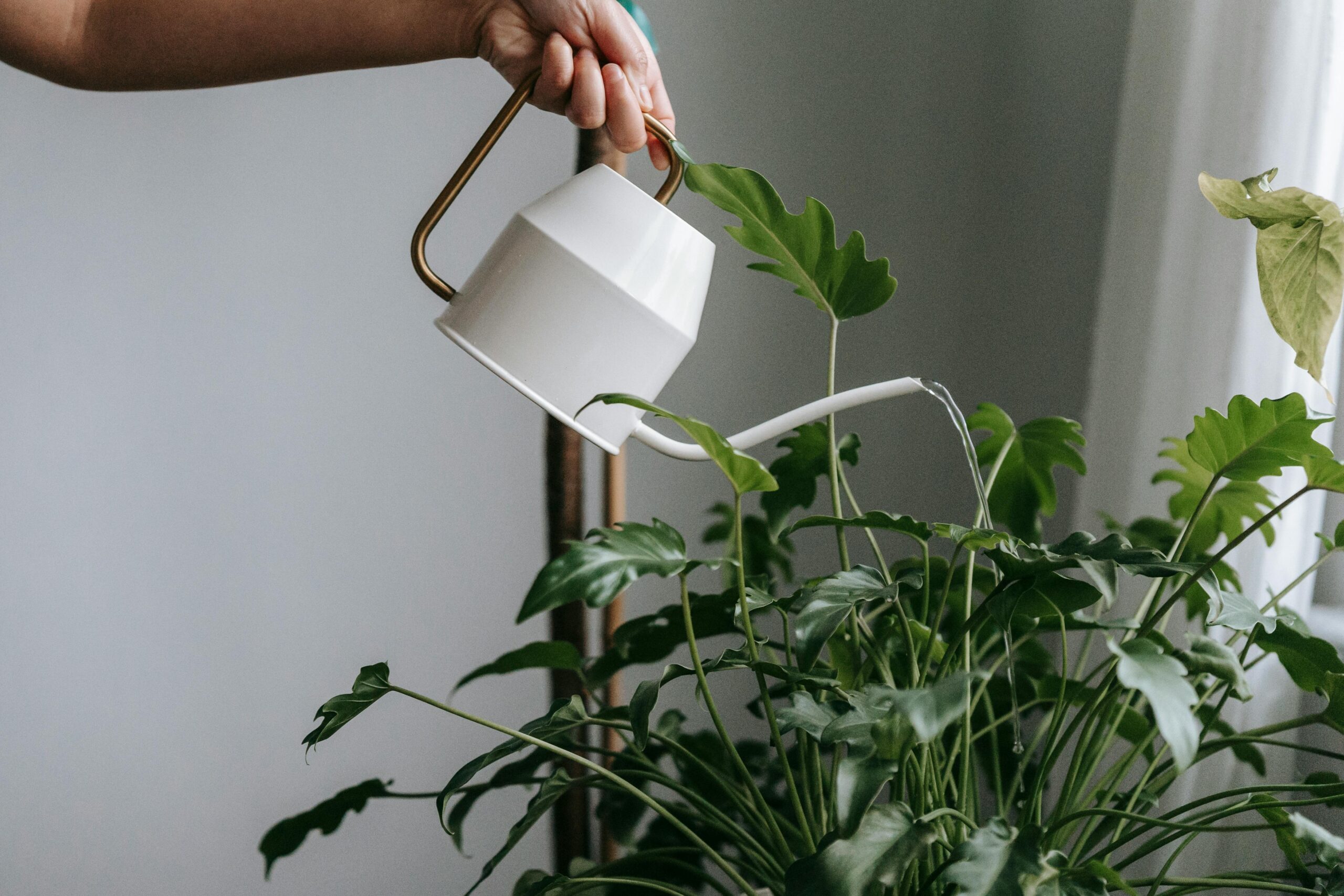
Transform Your Garden Through Mindful Watering Practices 🌺
Achieving perfect watering balance represents one of gardening’s most valuable skills. This mastery transforms struggling plants into thriving specimens that reward your efforts with spectacular growth, abundant blooms, and bountiful harvests. The time invested in understanding water requirements pays dividends throughout every growing season.
Remember that watering represents ongoing communication with your plants. Stay observant, remain flexible, and adjust practices as conditions change. Your garden will respond with vigor and beauty that reflects the care and attention you provide.
Start implementing these watering strategies today, and watch your garden flourish as never before. Strong roots create strong plants, and perfect watering balance unlocks their full potential. Your journey toward gardening mastery begins with every drop of water applied at just the right time, in just the right amount.