
Creating the perfect soil mix is the foundation of successful gardening. Whether you’re growing vegetables, flowers, or houseplants, understanding soil composition can transform struggling plants into thriving green companions.

Many gardeners overlook the critical importance of customized soil blends, relying instead on generic commercial mixes that don’t meet their plants’ specific needs. The secret to exceptional plant health lies in tailoring your growing medium to match exactly what your garden requires, considering factors like drainage, nutrient retention, pH levels, and root development patterns.
🌱 Understanding the Building Blocks of Perfect Soil
Before diving into custom soil recipes, it’s essential to understand what makes soil truly effective. All quality growing media consists of three primary components working in harmony: mineral particles, organic matter, and pore spaces for air and water.
Mineral particles come in three sizes: sand (largest), silt (medium), and clay (smallest). The proportion of these particles determines your soil’s texture and dramatically affects how water moves through it and how roots can penetrate. Sandy soils drain quickly but don’t hold nutrients well, while clay-heavy soils retain water and nutrients but can suffocate roots when drainage is poor.
Organic matter is the life force of your soil mix. Compost, aged manure, peat moss, coconut coir, and leaf mold all contribute essential nutrients, improve soil structure, support beneficial microorganisms, and help regulate moisture levels. This component is what separates sterile growing media from living, dynamic soil ecosystems.
The Science Behind Soil Porosity
Pore spaces might seem like empty gaps, but they’re absolutely crucial for plant health. These spaces hold both air and water, and the balance between the two determines whether your plants thrive or struggle. Ideally, your soil should contain about 50% pore space, split roughly equally between air-filled and water-filled pores.
When soil becomes compacted, these precious air pockets disappear, leading to waterlogged conditions that cause root rot and stunted growth. Conversely, soil that’s too loose and airy dries out rapidly and doesn’t provide adequate root anchorage. The perfect balance creates what gardeners call “friable” soil—moist but crumbly, rich but well-draining.
🪴 Essential Ingredients for Custom Soil Mixes
Building your own soil blends requires familiarity with various amendments and their specific properties. Each ingredient serves distinct purposes, and understanding their characteristics allows you to create precisely targeted growing media.
Base Components
Peat moss has been the traditional foundation for potting mixes for decades. It’s acidic, holds moisture exceptionally well, and provides excellent aeration. However, environmental concerns about peat bog destruction have led many gardeners toward coconut coir as a sustainable alternative. Coir offers similar water retention with better rewetting properties and a more neutral pH.
Quality compost brings nutrients, beneficial microbes, and organic structure to any mix. Aged compost should smell earthy and pleasant, with no recognizable plant material remaining. Fresh compost can burn plant roots with excessive nitrogen and may contain weed seeds, so patience during the aging process pays dividends.
Topsoil or garden loam provides mineral content and some nutrient value, but quality varies tremendously. Always screen topsoil to remove rocks, roots, and debris, and consider sterilizing it if you’re concerned about pests or diseases. Never use straight topsoil in containers—it compacts too severely.
Drainage Amendments
Perlite is those distinctive white popcorn-like chunks you see in commercial potting mixes. This volcanic glass has been heated until it expands, creating a lightweight material that improves aeration and prevents compaction. It’s chemically inert, sterile, and permanent—it won’t break down over time.
Coarse sand (not beach sand or fine sandbox sand) adds weight to potting mixes and improves drainage in clay-heavy garden soils. Use horticultural or builder’s sand with particle sizes between 1-2mm for best results. Sand is particularly valuable in succulent and cactus mixes where excellent drainage is non-negotiable.
Vermiculite resembles perlite but serves slightly different purposes. This mica-based mineral expands when heated and holds both water and nutrients in its accordion-like layers. It’s particularly useful in seed-starting mixes where you want consistent moisture without waterlogging.
Specialized Additions
Bark chips or aged wood products add structure and improve aeration in mixes for orchids, aroids, and other epiphytic plants. Pine bark is particularly popular because it breaks down slowly and slightly acidifies the soil—beneficial for acid-loving plants like azaleas and blueberries.
Worm castings are gardener’s gold—gentle enough for seedlings yet rich in nutrients and beneficial microbes. They improve soil structure, enhance water retention, and provide slow-release nutrition. Even a 10-20% addition to your mix delivers noticeable benefits.
Biochar is ancient charcoal that improves soil structure, retains nutrients and water, and provides habitat for beneficial microorganisms. Once you add biochar to soil, it remains functional for hundreds of years, making it a one-time investment in long-term soil health.
🎯 Tailored Soil Recipes for Different Plant Types
Generic one-size-fits-all approaches rarely produce optimal results. Different plants evolved in vastly different environments, and their root systems reflect those origins. Matching your soil mix to your plants’ preferences is where gardening becomes art informed by science.
The Perfect Vegetable Garden Mix
Most vegetables thrive in nutrient-rich, well-draining soil with good moisture retention. They’re heavy feeders with extensive root systems that appreciate both structure and fertility.
- 40% quality compost or aged manure
- 30% coconut coir or peat moss
- 20% garden loam or topsoil
- 10% perlite or coarse sand
- Optional: 5-10% worm castings for extra nutrition
This blend provides excellent drainage while maintaining consistent moisture—critical during hot summer months when tomatoes, peppers, and cucumbers are producing heavily. The high organic matter content supports beneficial soil life and provides steady nutrient release throughout the growing season.
Succulent and Cactus Perfection 🌵
Desert plants require completely different conditions. Their natural habitats feature rocky, mineral-heavy soils that drain almost instantly. Retaining too much moisture around succulent roots invites rot and fungal diseases.
- 50% coarse sand or fine gravel
- 25% perlite or pumice
- 15% coconut coir or peat
- 10% compost
This extremely fast-draining mix mimics desert conditions where water moves through quickly but some moisture remains available in small pockets. For particularly sensitive species like lithops or very drought-tolerant cacti, increase the mineral content to 70-80% of the total mix.
Tropical Houseplant Heaven
Popular houseplants like pothos, philodendrons, and monsteras come from tropical forest floors where organic matter is abundant and moisture consistent but never waterlogged. They appreciate rich, chunky mixes that allow roots to breathe.
- 40% coconut coir or peat moss
- 25% compost or worm castings
- 20% perlite
- 15% orchid bark or wood chips
The bark chunks create air pockets that prevent compaction while the organic components retain moisture and nutrients. This balance supports healthy root development and lush foliage growth.
Acid-Loving Plant Specialty Mix 🫐
Blueberries, azaleas, rhododendrons, and camellias require acidic conditions (pH 4.5-5.5) to access nutrients properly. Standard garden soil rarely provides this naturally.
- 50% peat moss (naturally acidic)
- 25% pine bark or aged pine needles
- 15% compost
- 10% perlite or coarse sand
- Add elemental sulfur as needed to adjust pH
This mix maintains the low pH these plants require while providing excellent drainage and organic nutrition. Test pH regularly and adjust with sulfur or aluminum sulfate as needed to keep conditions optimal.
Seed-Starting Supremacy
Seeds need something completely different from mature plants. Seedlings are vulnerable to diseases, require excellent moisture control, and need fine-textured media that their delicate roots can easily penetrate.
- 50% coconut coir or peat moss
- 30% vermiculite
- 20% perlite
- No compost (reduces disease risk)
This sterile, fine-textured mix provides consistent moisture without waterlogging, supports delicate emerging roots, and minimizes the risk of damping-off disease that kills seedlings. Once seedlings develop their first true leaves, transplant them into richer mixes appropriate for their species.
⚗️ Testing and Adjusting Your Custom Blends
Creating soil mixes isn’t an exact science—variables in your ingredients mean each batch will differ slightly. Testing and observation help you refine your recipes over time.
The Drainage Test
Fill a container with your mix and water thoroughly. Watch how quickly water drains from the bottom. Ideally, water should flow through steadily within 30-60 seconds after initial saturation. If water pools on the surface or takes several minutes to drain, add more perlite, sand, or bark. If it rushes through instantly leaving the mix barely damp, increase the water-retentive components.
pH Matters More Than You Think
Most plants prefer slightly acidic to neutral soil (pH 6.0-7.0), but knowing your mix’s pH prevents mysterious nutrient deficiencies. Inexpensive pH test kits from garden centers provide adequate accuracy for home gardening. If adjustments are needed, lime raises pH while sulfur lowers it—but make changes gradually and retest before planting.
The Squeeze Test
Moisten your soil mix thoroughly and grab a handful. Squeeze firmly, then open your hand. Perfect soil forms a ball that breaks apart with gentle pressure. If it stays in a tight, muddy ball, it’s too heavy—add more drainage amendments. If it won’t form a ball at all, increase the organic matter and water-holding components.
💡 Pro Tips for Soil Mix Success
Small details separate good soil mixes from exceptional ones. These professional insights help you avoid common pitfalls and achieve consistently superior results.
Always moisten peat moss or coconut coir before mixing. Dry peat is hydrophobic and extremely difficult to wet once in containers. Soak it thoroughly in a separate container, break up any clumps, then combine it with other ingredients.
Mix in batches using a large tarp or mixing tub. Spread your base ingredients in layers, then blend thoroughly by lifting and folding edges toward the center. This ensures even distribution—critical for consistent plant performance across all your containers or beds.
Consider sterilizing your mix if you’re reusing containers or concerned about soil-borne diseases. Spreading the moistened mix on baking sheets and heating at 180°F (82°C) for 30 minutes kills most pathogens and weed seeds without destroying beneficial soil structure.
Store unused soil mix in sealed containers or bags to prevent contamination from insects, weed seeds, or moisture. Properly stored mix remains usable for months, though you may need to refresh it with additional compost or fertilizer before use.
🌿 Seasonal Adjustments and Long-Term Soil Health
Soil isn’t static—it changes over time as organic matter decomposes, nutrients get used, and structure evolves. Maintaining your custom mixes requires ongoing attention and seasonal adjustments.
In garden beds, add 1-2 inches of fresh compost each spring and fall. This replenishes organic matter, introduces beneficial organisms, and provides slow-release nutrients. Work it gently into the top few inches rather than deep tilling, which disrupts soil structure and beneficial fungal networks.
Container mixes compact and deplete nutrients more quickly than garden soils. Plan to refresh or completely replace potting mix every 1-2 years depending on plant growth rates and feeding schedules. You can extend mix life by top-dressing with fresh compost and worm castings between complete changes.
Monitor your plants closely—they’ll tell you when soil adjustments are needed. Yellowing leaves may indicate nutrient depletion or pH problems. Wilting despite adequate watering suggests drainage issues or root rot. Stunted growth often means compacted soil or inadequate nutrients. Respond to these signals promptly before problems become severe.
🎨 Advanced Techniques: Taking Your Soil Game Further
Once you’ve mastered basic custom mixes, advanced techniques can optimize your results even further. These methods require more effort but deliver measurable improvements in plant health and productivity.
Incorporating mycorrhizal fungi into your soil creates symbiotic relationships that extend root systems and improve nutrient uptake. These beneficial fungi connect with plant roots and essentially expand their reach by orders of magnitude. Products containing mycorrhizal inoculants are increasingly available and particularly beneficial for vegetables, perennials, and trees.
Creating living mulch layers on top of your soil mix supports beneficial insects, suppresses weeds, moderates soil temperature, and continuously feeds the soil as it breaks down. Wood chips, straw, shredded leaves, or compost make excellent mulches—choose based on your aesthetic preferences and what’s locally available.
Experimenting with biochar additions can significantly improve long-term soil performance. Before adding biochar to your mix, charge it by soaking in compost tea or liquid fertilizer. Uncharged biochar actually absorbs nutrients from soil initially, but once charged, it becomes a nutrient reservoir that steadily releases minerals to plant roots.
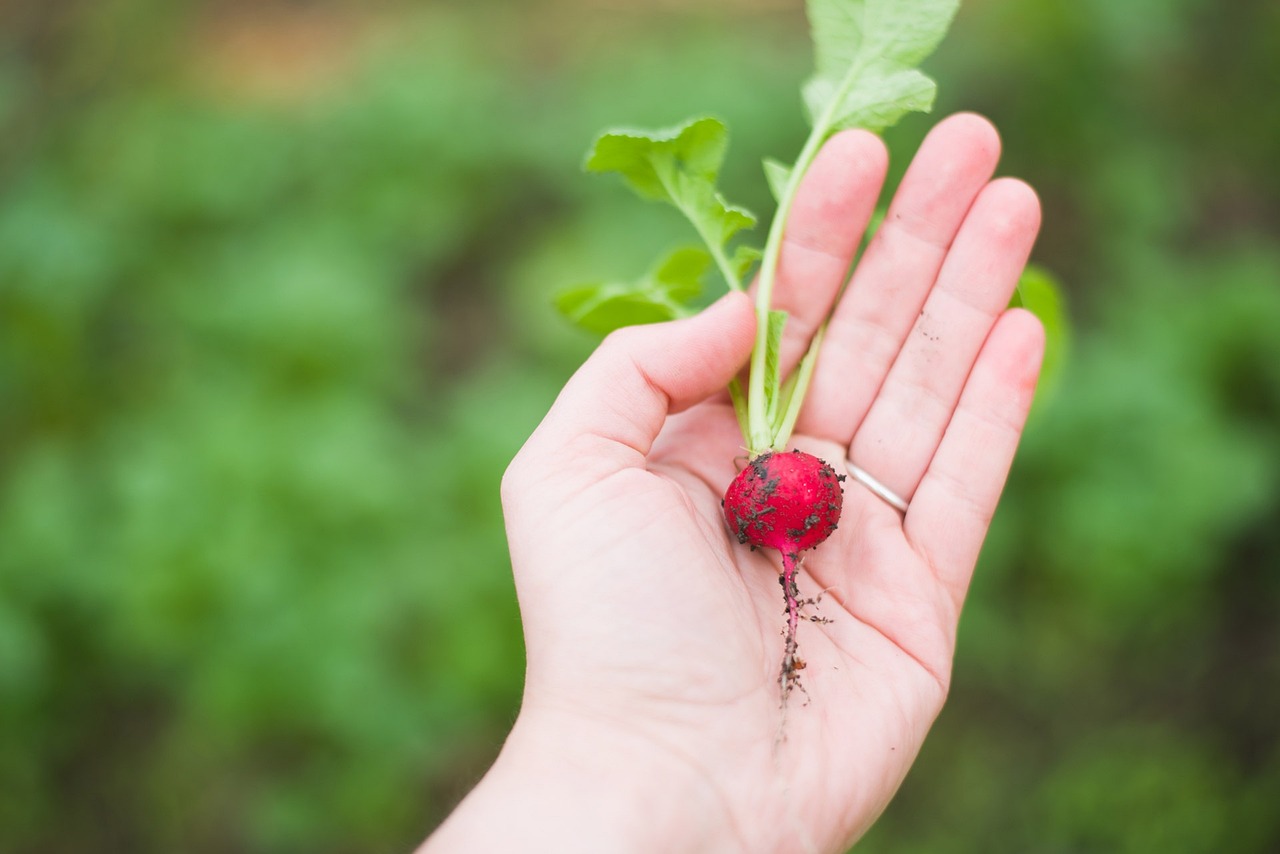
Your Journey to Perfect Soil Starts Now 🌟
Mastering custom soil mixes transforms your relationship with gardening. Instead of fighting poor conditions or wondering why plants struggle, you create ideal environments tailored to each species’ preferences. This foundational skill elevates everything else you do in the garden.
Start with one or two basic recipes suited to your most common plants. As you gain confidence and observe results, experiment with adjustments based on your specific conditions, local materials, and plant responses. Keep notes on what works—successful recipes become treasured resources you’ll use for years.
Remember that perfect soil isn’t about following rigid formulas but understanding principles and adapting them to your unique situation. Your climate, water quality, available materials, and plant selections all influence ideal mixes. The recipes provided here are starting points, not absolute rules.
The investment in quality ingredients and time to create custom blends pays enormous dividends in plant health, productivity, and gardening enjoyment. Plants growing in properly formulated soil require less water, fewer fertilizer applications, and minimal pest management. They grow vigorously, produce abundantly, and recover quickly from stress.
Every successful garden begins beneath the surface, in the complex ecosystem of well-crafted soil. By taking control of this fundamental element, you give your plants the absolute best foundation for thriving. Your garden will thank you with lush growth, vibrant blooms, and bountiful harvests season after season.